Beverages
In the beverage industry, metal contaminants primarily originate from two sources:
1.Raw metarials (e.g., screws or wire fragments during harvesting).
2. Equipment wear (e.g., degraded bearings or pipe debrsi from aging machinery).
To address this, two metal detction solutions are implemented:
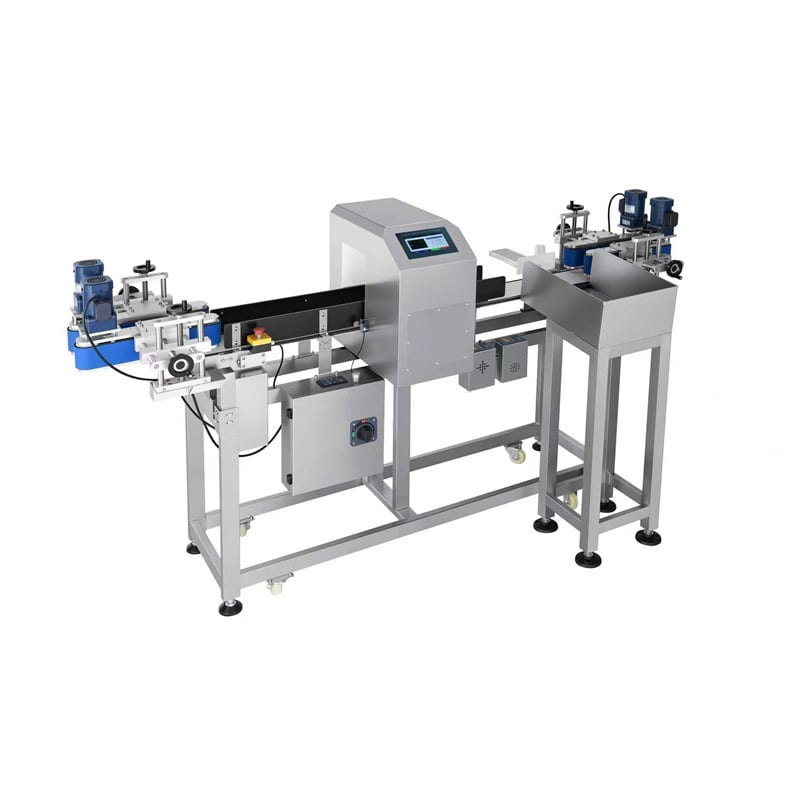
1. In-process detection:In-line liquid metal detectors monitor unfileed beverages, automatically rejecting contaminated products.
2. Final inspection: Post-filling detection guarantees metal-free bottled/canned products before shipping.

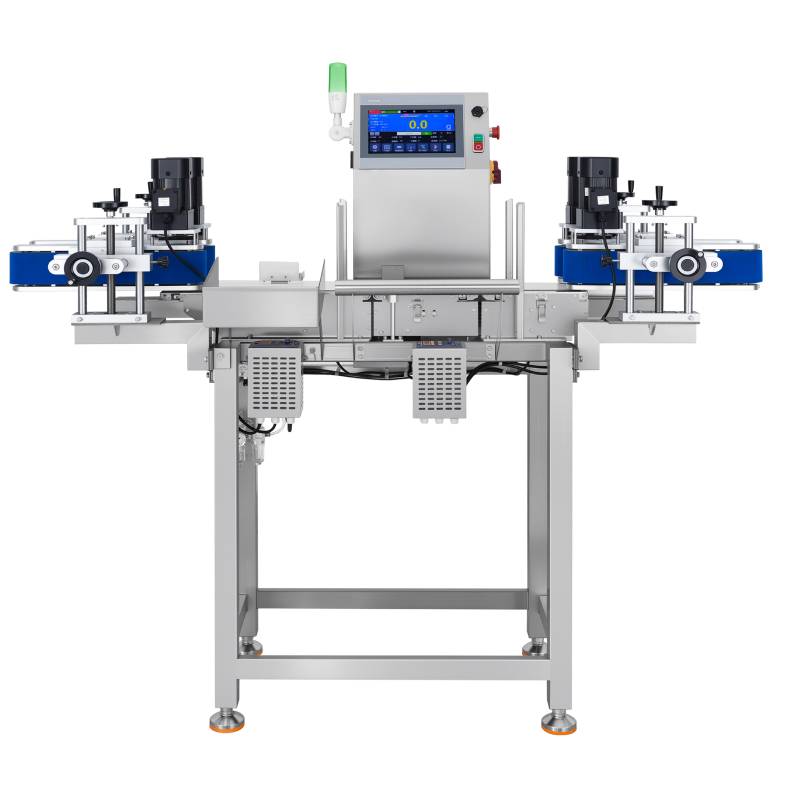
Meanwhile, auto-checkweighers play a vital role by:
1. Preventing underfilling: Ensuring precise fill volumes to comply with regulations (e.g., FDA/EU standards) and avoid customer complaints.
2. Reducing overfilling: Saving material waste and cutting costs.
3. Verifying box completeness: Detecting missing bottles via gross weight checks (e.r., validating 24- bottle/case counts).

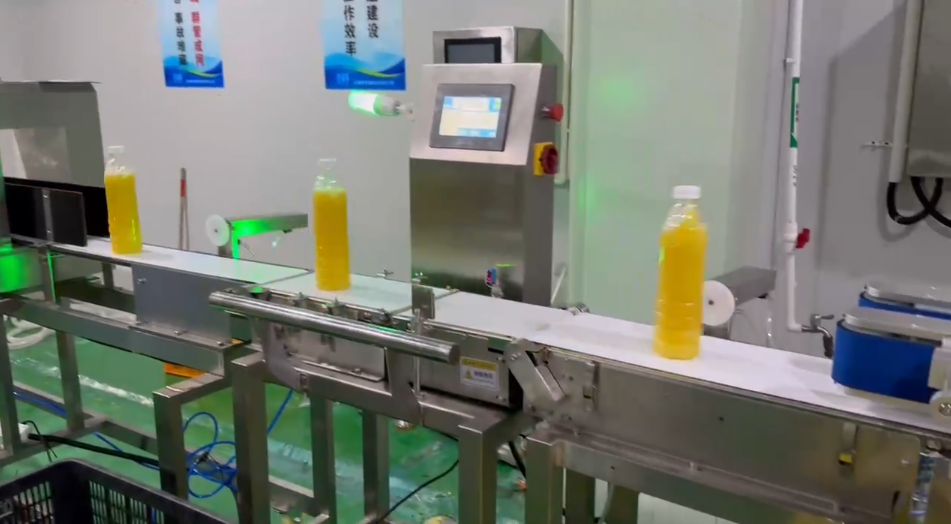
Integrating metal detection and checkweighing systems optimize quality control, regulatory compliance, and cost efficiency in beverage production.
The Benefits of Automated Inspection
1. Beverage Safety & Consumer Health
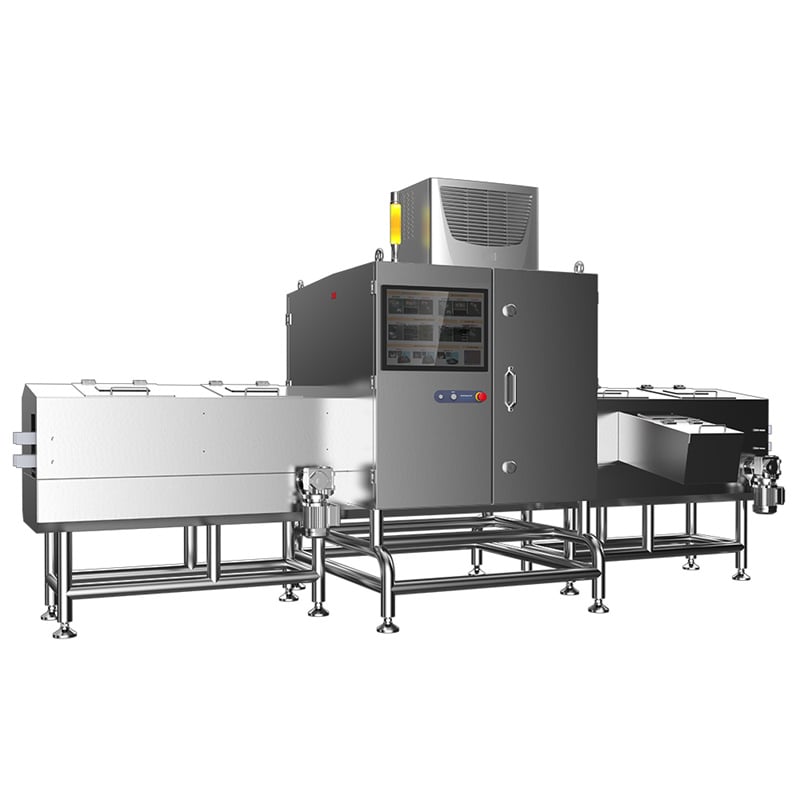
Automated beverage inspection systems guarantee product safety by ensuring compliance with health and safety standards. Through contaminants detection such as metal, plastic, glass and stone, and X-ray imaging, these detection eliminate the risk of foreign object contamination in your beverages. This is not only helps avoid consumer complaints and preserve brand reputation, but also ensures that every beverage product reaching the market is safe for consumers.
2. Compliance & Brand Loyalty
By generating audit digital logs for standards like HACCP and GFSI, automated inspection systems help beverage products maintain consistent compliance with food safety regulations. This transparent process enhances consumer trust, builds long-term brand loyalty, and establishes your company as a leader in beverage safety.
3. Efficiency & Cost Reduction
Precision checkweighing and early detection of contaminants reduce waste, minimize costly recalls, and optimize production efficiency. By ensuring product quality and minimizing human errors during filling and packaging, these systems help producers save costs while ensuring that beverages meet industry safety and quality standards.