Fruits & Vegetables
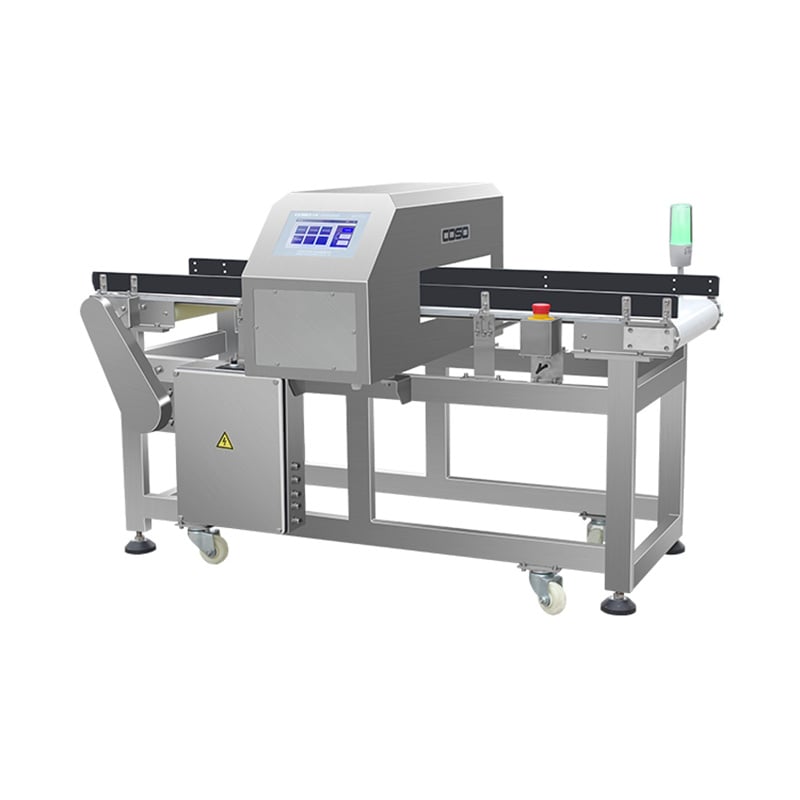
In the fruit and vegetable industry, metal contamination poses a critical food safety risk across the entire supply chain. Potential hazards may arise at multiple stages:

During cultivation, loose or broken parts from agricultural machinery (e.g., plows, harvesters) can introduce foreign objects like wire fragments, nails, or metal debris into corps.
In harvesting and transportation, wear and tear from tools (e.g., crates, forklifts) may generate metal shavings.
At processing facilities, equipment such as cutters, pitters, and slicers gradually degrade over time, with blade erosion or mechanical failures potentially releasing tiny metal particles into products. This risk escalates in deeply processed goods (e.g., juices, purees, ready-to-eat meals), where metal contaminants can spread widely during grinding or mixing.
If contaminated products reach consumers (via supermarkets or foodservice channels), consuquences can be severe: ingested sharp metals may cause oral or internal injuries, while product recalls could lead to hefty financial losses, legal liabilities, and lasting damage to brand reputation.
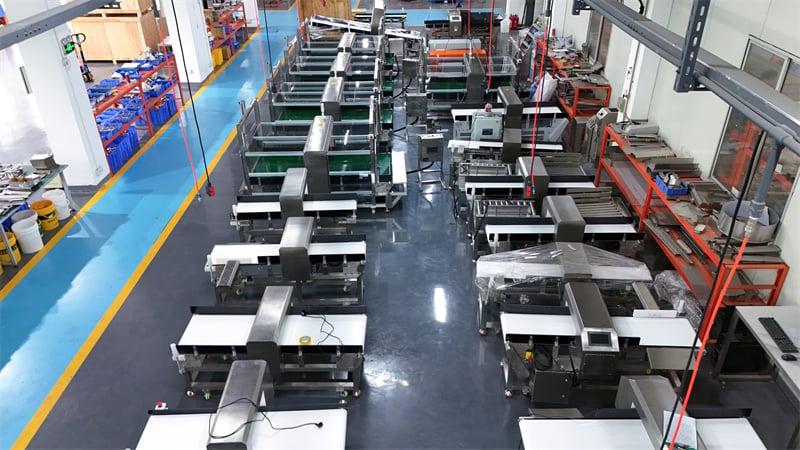
Metal detectors serve as a vital safeguard, deploying multi-stage inspection at raw material intake, processing lines, and packaged products.
We have a lot of experience in this field.

Today, more and more young consumers prefer purchasing pre-packaged vegetables and fruits in supermarkets, as their fast-paced lifestyle demands convenient and uniform packaging. For retailers, standardized packaging is crucial - each portion should maintain a consistent weight to ensure consumer satisfaction and minimize waste.
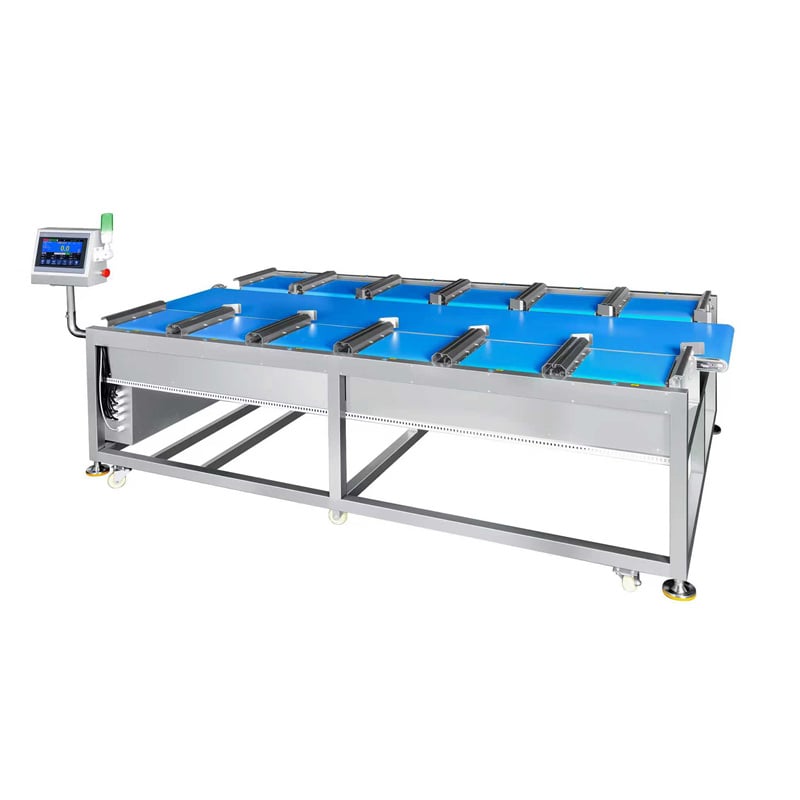
On automated production lines, an automatic weighing machine, which is also called checkweigher, can automatically weighing machine can accurately detect the weight of each package and automatically reject those outside the set range (underweight or overweight), ensuring standardized final packaging. We providing efficient and precise weighing solutions to enhance productivity and optimized product quality.

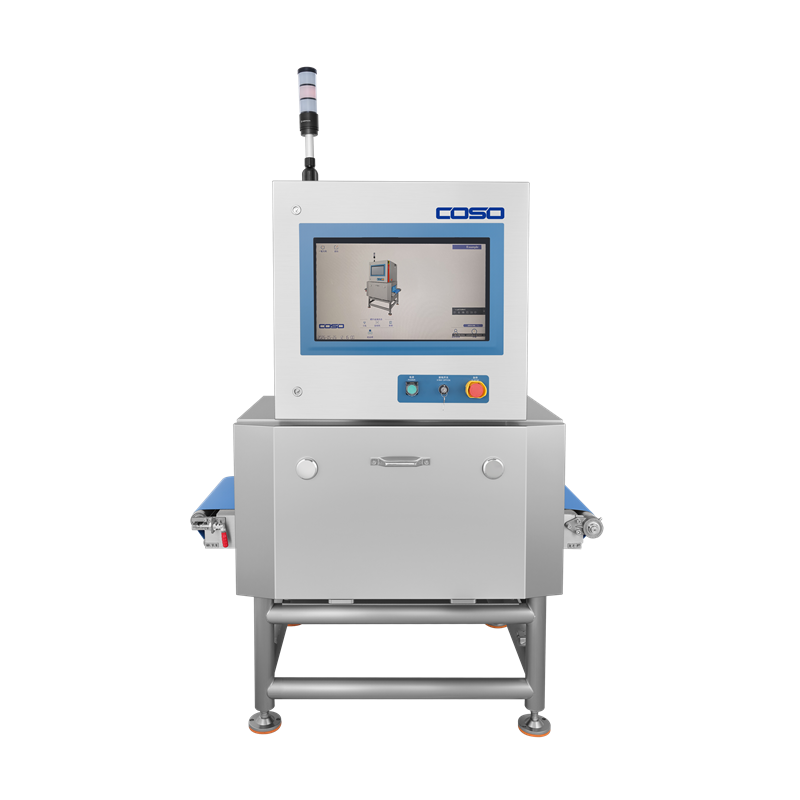
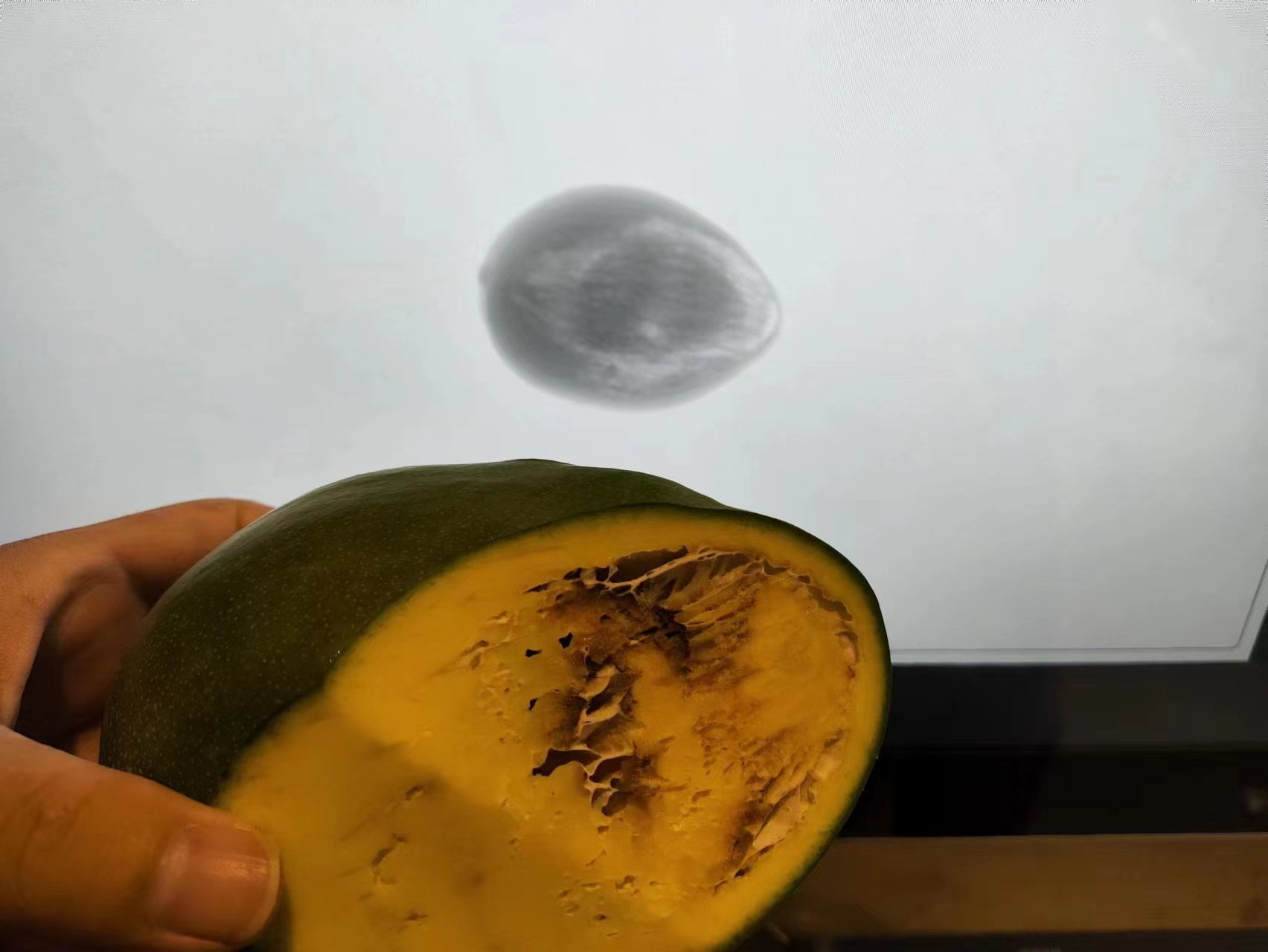
Crucial for detecting complex defects beyond metal, such as rot and hollow in fruit. Besides, it can also detect plastic, glass and stone. This technology ensures the structural integrity of your vegetable & fruit products, even through foil packaging.

The image of mango
The Benefits of Automated Inspection
1. Produce Safety & Consumer Health
Automated fruit and vegetable inspection systems guarantee product safety by ensuring compliance with health and safety standards, protecting consumer rights and health. Through advanced detection technologies such as metal, plastic, glass detection, and X-ray imaging, these systems eliminate the risk of foreign body contamination. This not only helps avoid complaints and preserve brand reputation but also ensures that every fruit and vegetable product reaching the market is safe for consumers.
2. Compliance & Brand Loyalty
By generating logs for standards such as HACCP and GFSI, automated inspection systems help fruit and vegetable producers maintain consistent compliance with food safety regulations. This transparency fosters consumer trust, enhances long-term brand loyalty, and positions your company as a leader in food safety.
3. Efficiency & Cost Reduction
Precision checkweighing and early detection of contaminants reduce waste, minimize costly recalls, and optimize production efficiency. By ensuring product quality and minimizing errors during packaging, these systems help producers save costs while ensuring that produce meets industry safety standards.