Home > Industry Solutions
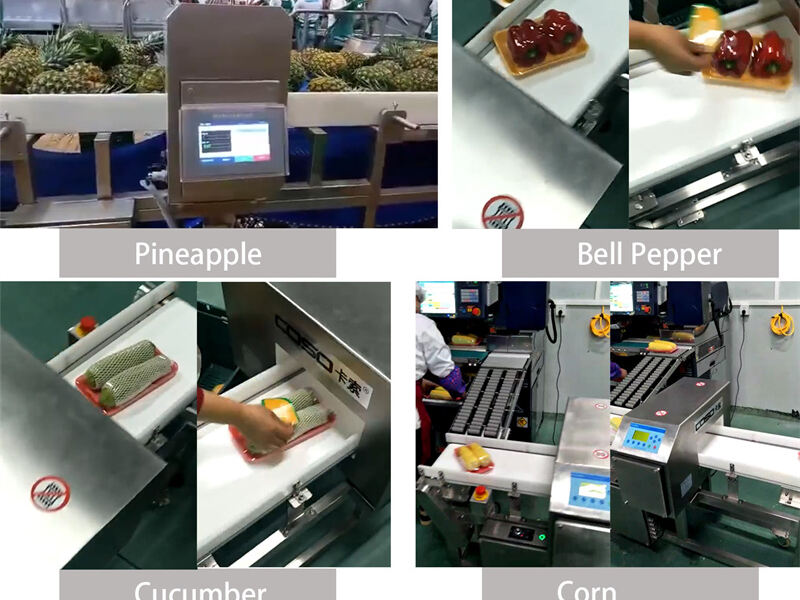
In the fruit and vegetable industry, metal contamination poses a critical food safety risk across the entire supply chain. Potential hazards may arise at multiple stages: During cultivation, loose or broken parts from agricultural machinery (e...
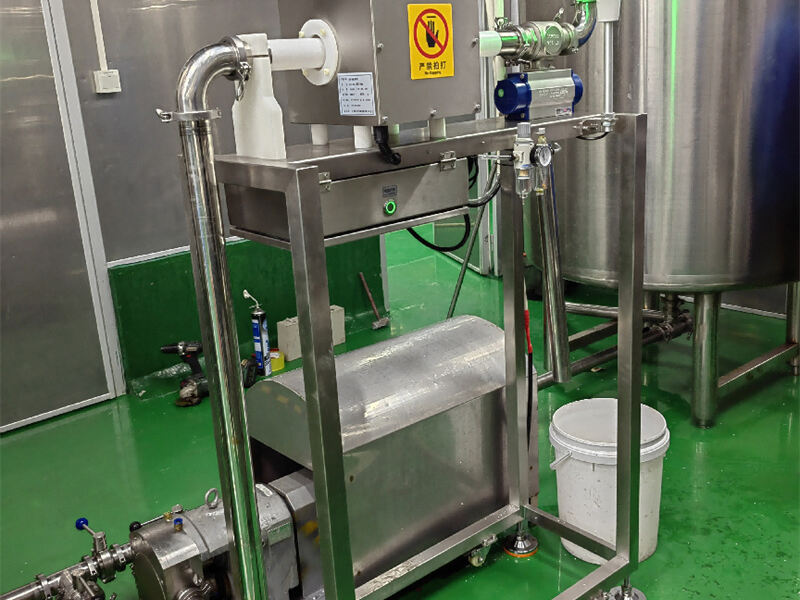
In the beverage industry, metal contaminants primarily originate from two sources: Raw metarials (e.g., screws or wire fragments during harvesting). Equipment wear (e.g., degraded bearings or pipe debrsi from aging machinery). To a...
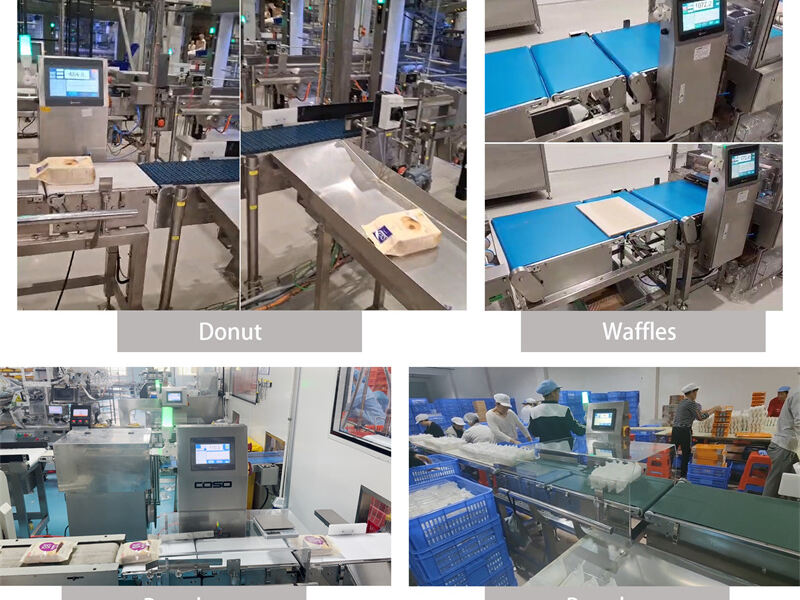
Metal Detectors: Safeguarding Food Safety In baking production (e.g., biscuits, cookies, cakes, bread), metal contaminants may originate from: Raw materials (e.g., metal fragments in flour) Equipment wear (e.g., conveyor belt debris)...
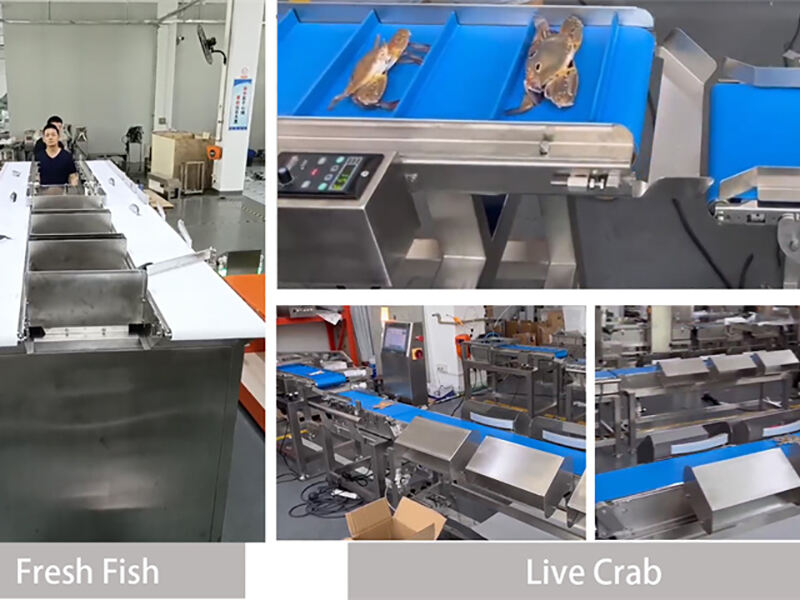
Metal contamination risks permeate throughout the aquatic products supply chain. During harvesting, broken fishhooks, metal components from nets, or submerged wire fragments may become embedded in raw materials. Transportation processes carry ...