×

Get in touch

Seafood & Aquatic Products

Home >  Industry Solutions  >  Food  >  Seafood & Aquatic Products

Back

Seafood & Aquatic Products

0

Metal contamination risks permeate throughout the aquatic products supply chain.

图片 1(af2f4cbd65).png

During harvesting, broken fishhooks, metal components from nets, or submerged wire fragments may become embedded in raw materials.

Transportation processes carry potential hazards from container parts or loading tool debris.

The most critical phase is processing - high-intensity operations of filleting machines, shellers, and other equipment generate wear particles, while aging stainless steel screens may shed microscopic metal fragments.

These contaminants not only pose oral laceration risks but may cause severe gastrointestinal perforations.

To ensure food safety, modern processing plants typically deploy metal detectors at three control points:

1. Initial screening upon raw materials intake.

2. Real-time monitoring during processing (especially post-cutting).

3. Final inspection before packaging or after packaging.

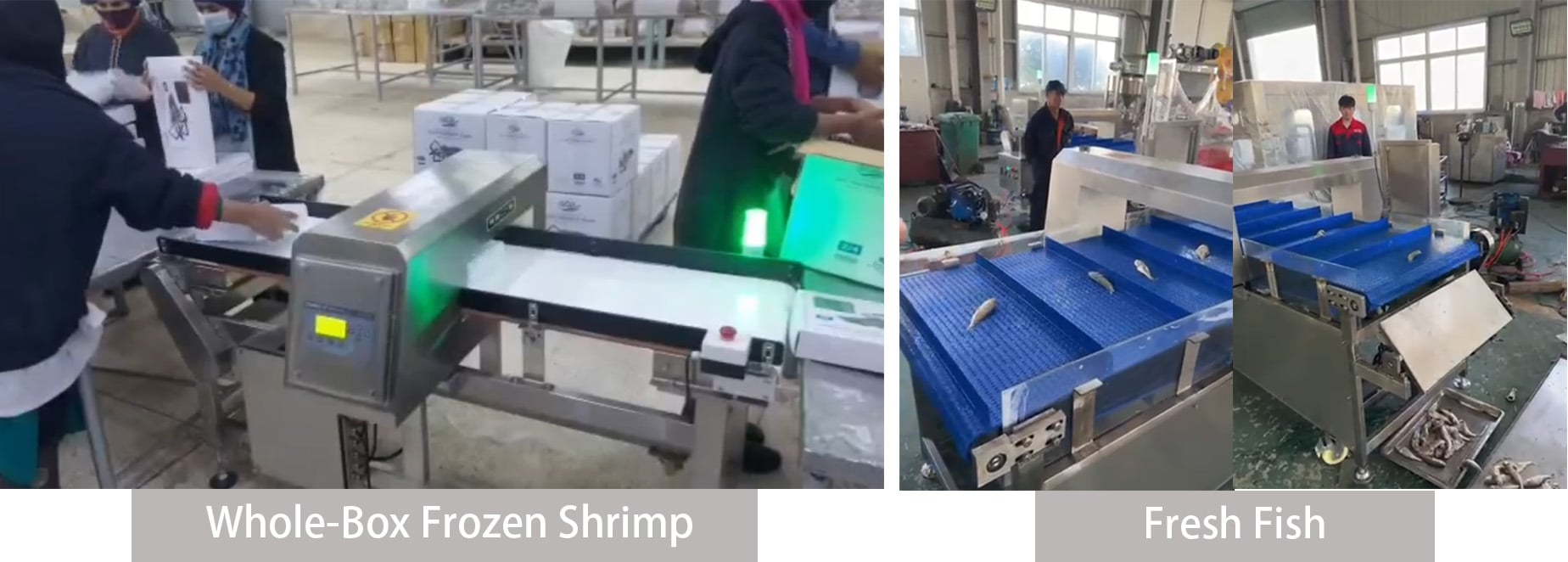
Taking frozen shrimp as an example, there are 12+ procedures including sorting, soaking, shelling, falsh-freezing, and weighing.

We can help with the metal contamination problem.

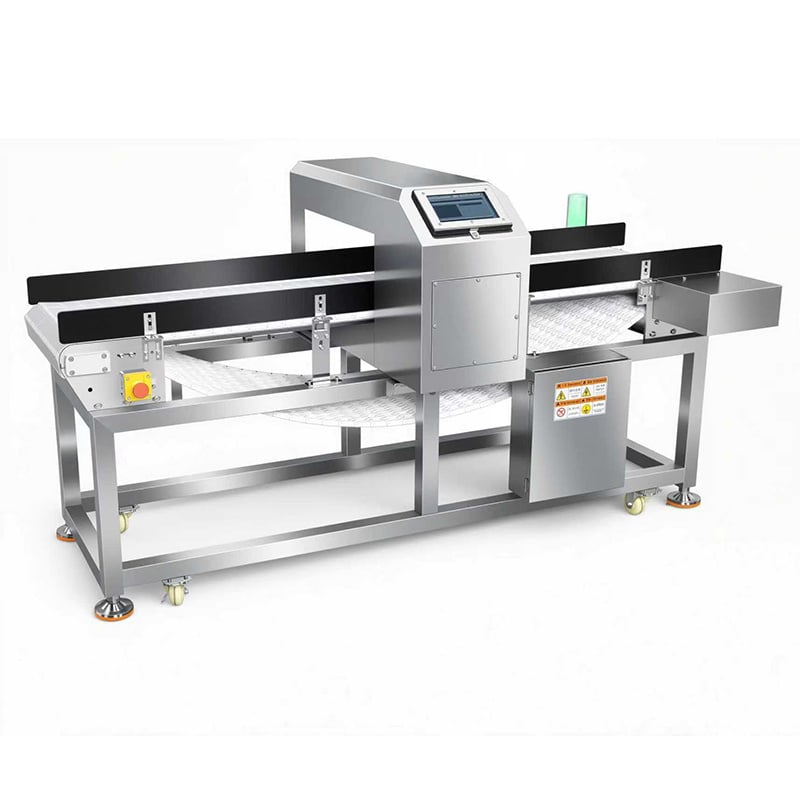
Metal contamination is a significant concern in seafood production. Our advanced metal detectors can identify ferrous, non-ferrous, and stainless steel contaminants such as broken equipment parts, tools, or metal fragments that may accidentally enter the production process. Seafood usually has product effect such as salt and mositure, metal detection will overcome this challenge and customize. Metal detection ensures that no harmful metal contaminants make their way into your seafood products, safeguarding consumer health.

图片1.jpg

At present, many countries impose strict standards on aquatic product grading. Due to significant size and weight variations in aquatic, traditional manual sorting methods are inefficient and prone to errors.

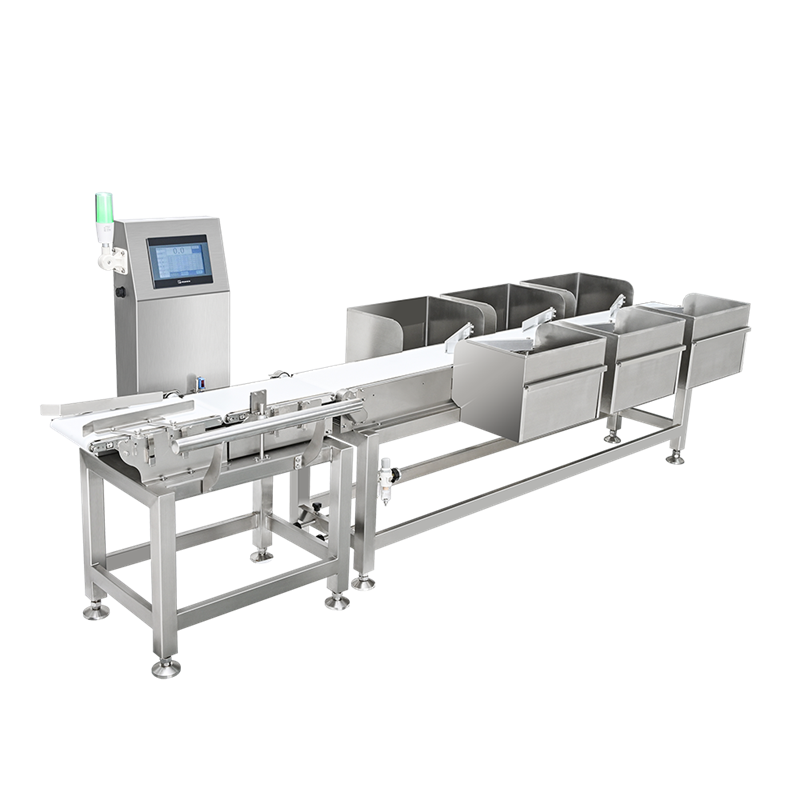
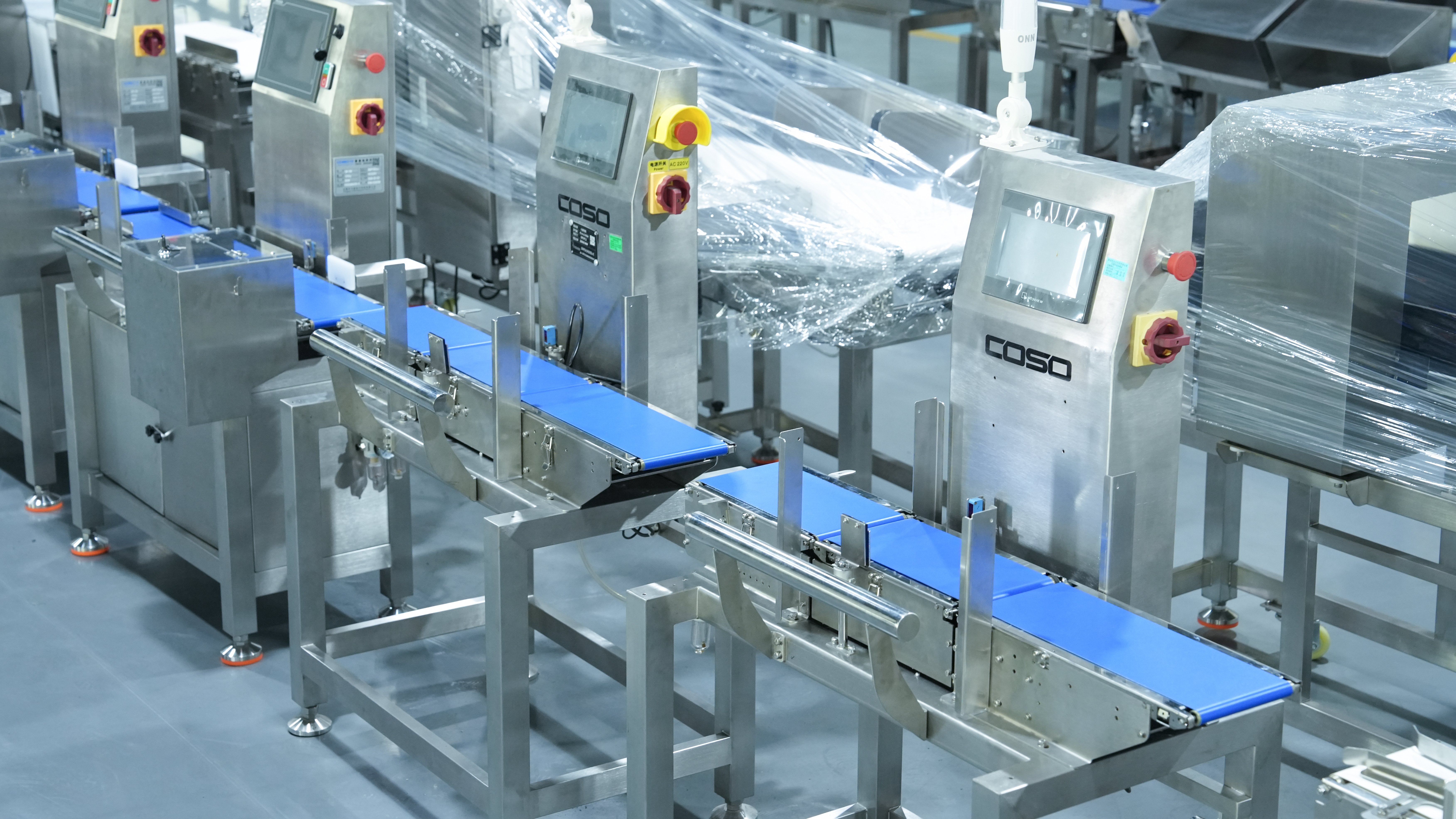
Automatic weight grading machine, which is aslo called weight sorting machine, can precisely categorize products by weight, ensruing uniform sizing within each package while significantly improving efficiency.

These machines can be integrated seamlessly with washing, shelling, and packaging equipment, forming a fully automated production line.

Additionally, the systems records real-time distribution data for each batch, providing valuable insights for optimizing raw material procurement and production planning.

With adjustable parameters, the euipment can accommodate different products (e.g., shrimp, fish, shellfish) and be customized to meet specific customer grading requirements, offering flexibility to adapt to deliverse market demands.

X-ray Inspection

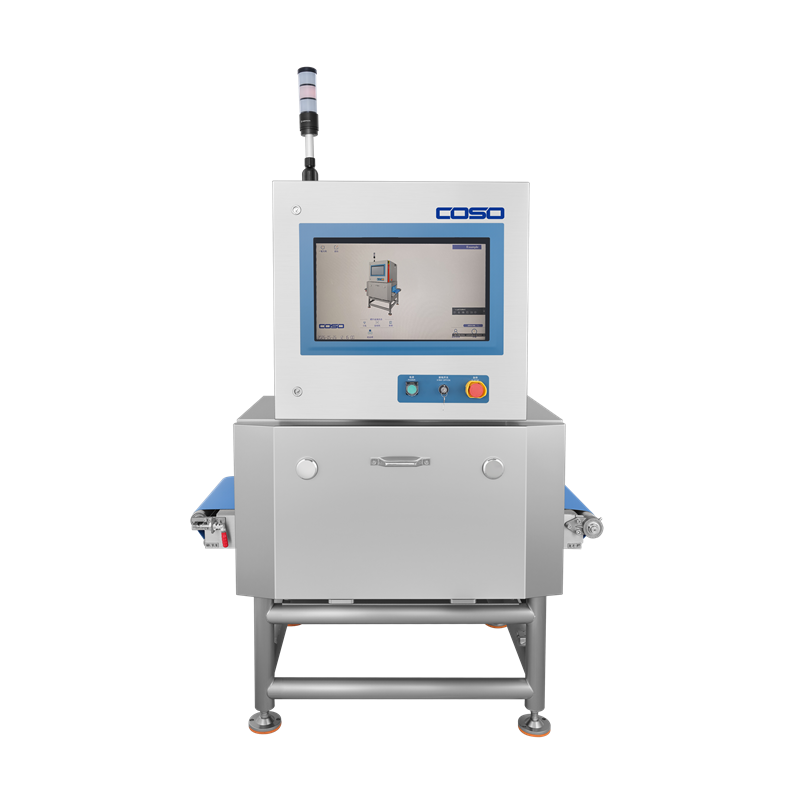
X-ray systems are essential for detecting foreign objects that metal detectors may miss, such as glass, plastic, and stones. Moreover, X-ray inspection is vital for checking the integrity of seafood packaging, ensuring products like fish fillets or shellfish are free from cracks, defects, or air pockets in packaged or bones. This technology ensures the quality and safety of your seafood, even when packaged in non-transparent or multi-layer packaging.

图片 4(0447cda2af).png

The image of salmon bones

We can help with this too.

Checkweighing systems are essential for ensuring that each seafood product—whether fresh fish crab and shrimp, a box of fish fillets, bags of frozen shrimp, or canned seafood—meets regulatory weight standards. And it can aslo sort your products by different weights. Our precision checkweighers guarantee accurate weight, avoiding underweight or overweight, and reducing consumer complaints. By ensuring compliance with weight standards, you can maintain consistency in packaging and improve production efficiency.

图片2(69fc1f944f).jpg

The Benefits of Automated Inspection

1. Seafood Safety & Consumer Health

Automated seafood inspection systems guarantee product safety by ensuring compliance with health and safety standards. Through advanced metal detection, plastic, glass, and stone detection, and X-ray imaging, these systems eliminate the risk of foreign object contamination. This not only helps prevent consumer complaints and protect your brand reputation but also ensures that every seafood product reaching the market is safe for consumers.

2. Compliance & Brand Loyalty

By generating logs for standards such as HACCP and GFSI, automated inspection systems help seafood producers maintain consistent compliance with food safety regulations. This transparent process builds long-term brand loyalty, enhances consumer trust.

3. Efficiency & Cost Reduction

Precision checkweighing and early detection of contaminants reduce waste, minimize costly recalls, and optimize production efficiency. By ensuring product quality and minimizing human errors during packaging, these systems help seafood producers save costs while ensuring their products meet industry safety and quality standards.

Contact us now!

Prev

None

ALL

None

Next
Recommended Products
email goToTop