



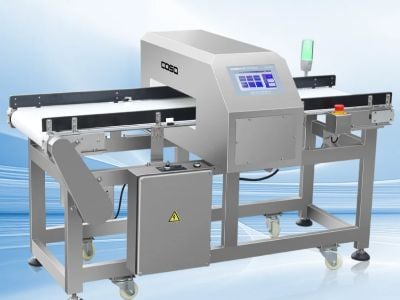
Installing a Conveyor belt scales type industrial metal detector can be an important task. These machines help find metal pieces in products that move on conveyor belts. Finding these pieces is important for safety and quality. If metal is missed, it can cause problems later. The company COSO makes these detectors. This guide will help you understand how to install one of these detectors and what to consider before you begin
What to Consider Before Installing a Conveyor Belt Type Industrial Metal Detector
Before you start installing a Conveyor metal detector, there are several important things to think about. First, you need to find the right spot for the detector. It should be placed where most metal pieces can be found easily. Usually, this is right after the products come off the conveyor belt. You also need to make sure there is enough space around the detector for it to work properly. Another thing to check is the power supply. The detector needs to be plugged in, so make sure you have an outlet nearby. The area should be clean and dry because dirt and moisture can affect how the detector works. You should read the instruction manual from COSO carefully. It will give you specific details about your model and how to set it up. Finally, think about safety. Make sure you wear gloves and follow any safety rules when installing the machine. If you’re unsure of anything, it’s okay to ask for help from someone who knows about these machines. They can provide valuable insights and tips for a smooth installation
Common Usage Issues with Conveyor Belt Metal Detectors
While using Industrial metal detector conveyor, there can be some common issues that arise. One frequent problem is false alarms. Sometimes, the detector might beep or signal that there is metal present when there isn’t any. This can happen if the sensitivity is set too high or if the machine is installed incorrectly. If this happens, it’s important to check the settings and make adjustments as needed. Another issue is that the detector might miss some metal pieces. This could be due to the size of the metal or the type of product on the conveyor belt. For example, if you’re checking small items like candies, tiny metal bits might slip through. To fix this, you might need to adjust the detector’s settings or even change its location. Regular maintenance is also key to keeping the machine working well. Make sure to clean it often and check for any loose parts. If problems continue, contacting COSO for support can be a good step. They can offer help and advice to fix any issues you are facing. Overall, being aware of these common problems can help you keep the detector running smoothly and ensure that your products stay safe and of high quality
What Are the Benefits of Wholesale Purchasing Industrial Metal Detectors
When a business needs to buy many industrial metal detectors, buying them in bulk is a smart idea. This is called wholesale purchasing. One big benefit of buying in bulk from COSO is cost savings. When you buy many items at once, you often get a lower price for each one. This means you can save a lot of money. Instead of spending a lot on single detectors, you can invest that money in other important things for your business. Another benefit is having enough detectors for your needs. If you run a factory or a food processing plant, it is important to have metal detectors in different areas. Buying in bulk means you can place detectors wherever you need them, ensuring safety and quality control. Additionally, buying wholesale can also lead to better customer service. When you make a big order, the supplier, like COSO, may give you more attention. They want you to be happy and to keep coming back for more orders. This might mean faster shipping times or better support if you have questions. Also, when you buy in bulk, you are more likely to receive the latest technology or models. This ensures that your business is using the best tools available. Lastly, ordering wholesale can help build a good relationship with your supplier. You might be able to negotiate better terms or get special deals because you buy frequently. Overall, wholesale purchasing is a great way to save money and make sure your business runs smoothly
How to Troubleshoot Common Problems in Conveyor Belt Metal Detectors
Sometimes, conveyor belt metal detectors can have problems, but don’t worry! Troubleshooting these issues is usually simple. First, if the detector is not working, check if it is plugged in and turned on. Sometimes, the power source might be the issue. If it is on but not detecting metal, it may need recalibration. This means adjusting the settings so it can correctly identify metal. COSO detectors usually have a manual that explains how to recalibrate them, so refer to that for guidance. Another common problem is false alarms. If the detector keeps beeping without metal present, it might be set too sensitive. You can adjust the sensitivity settings according to the manual. Also, check for any dirt or debris on the detector. Sometimes, dust can cause issues. Keeping the detector clean will help reduce false alarms. If the conveyor belt is moving too fast, the detector might not have enough time to check for metal. Slowing down the belt can help solve this issue. Sometimes, the detector might give an error message. If this happens, look at the manual for troubleshooting steps. COSO provides excellent customer support, so don’t hesitate to reach out if you need help. They can guide you through the steps to fix the problem. Regular maintenance is also important. Make sure to service the detector periodically to keep it in good condition. By following these troubleshooting tips and keeping up with maintenance, you can ensure that your conveyor belt metal detector works well and keeps your products safe
What Features to Look for in a High-Quality Industrial Metal Detector
When choosing an industrial metal detector, there are some important features to consider. First, look for a detector that has good sensitivity. This means it can find even tiny pieces of metal. This is especially important in industries like food production, where even the smallest piece of metal can be dangerous. COSO detectors are known for their high sensitivity, which helps ensure safety in your products. Another feature to look for is ease of use. The detector should have a simple control panel that is easy to understand. This way, workers can quickly learn how to operate it without getting confused. Some detectors even have touch screens, which can make it even easier to use. Also, check if the detector can be adjusted for different types of metal. Some detectors can find ferrous (like iron), non-ferrous (like aluminum), and stainless steel metals. Having this flexibility is very useful in a busy workspace. Durability is also crucial. Industrial settings can be tough on machines, so a detector should be made from strong materials that can handle wear and tear. Look for features like water and dust resistance, which can help the detector last longer. Finally, consider the support and warranty offered by the manufacturer. COSO provides excellent customer service and warranties, which means you can get help if something goes wrong. In summary, when choosing a high-quality industrial metal detector, look for sensitivity, ease of use, durability, and good support to ensure you make the best choice for your business.
Table of Contents
- What to Consider Before Installing a Conveyor Belt Type Industrial Metal Detector
- Common Usage Issues with Conveyor Belt Metal Detectors
- What Are the Benefits of Wholesale Purchasing Industrial Metal Detectors
- How to Troubleshoot Common Problems in Conveyor Belt Metal Detectors
- What Features to Look for in a High-Quality Industrial Metal Detector


