Textile & Toys
In thetextile & toysindustry, ensuring safety, performance, and efficiency is crucial to maintainingindustrystandards, meeting regulatory compliance, and fostering consumer trust. Whether it'sclothes,toys,or non-woven,quality assurance plays a significant role in the design, manufacturing, and maintenance oftextile & toys industry. These contaminants not only endanger consumer health but can also result in costly recalls, regulatory penalties, and irreversible brand damage.From detecting metal contaminants, broken needles and verifying product completeness, protecting product purity, ensuring industry standards, our machine helps you deliver high-quality products to the market.

The Invisible Threat: Challenges in Textile & Toys Contamination Control
Unpredictable Sources of Contamination
In the textile & toys industry, contamination risks can arise from various unpredictable sources. Contaminants such as broken needles, worn machine parts, screws from processing can be introduced during processing or final packaged stages. Worn parts like metal contaminants, plastics, corrosive machine parts are particularly susceptible to contamination. These contaminants can compromise product quality, safety, and performance, leading to potentially hazardous end products.
Industry Standards & Regulatory Compliance in Textile & Toys
In the textile and toys industries, strict regulations and industry standards are essential to ensure product safety, quality. For textiles, standards like ISO 9001 and OEKO-TEX 100 help ensure high production quality and that products are free from harmful objects. In the toy industry, standards like ASTM F963 and EN 71 ensure that toys meet safety requirements, including tests for physical, mechanical. By adhering to these standards, manufacturers can protect consumer health, minimize safety risks, improve brand reputation, and ensure products meet legal and environmental guidelines.
Advanced Inspection: Metal Detection, Weight Inspection, and X-ray Inspection
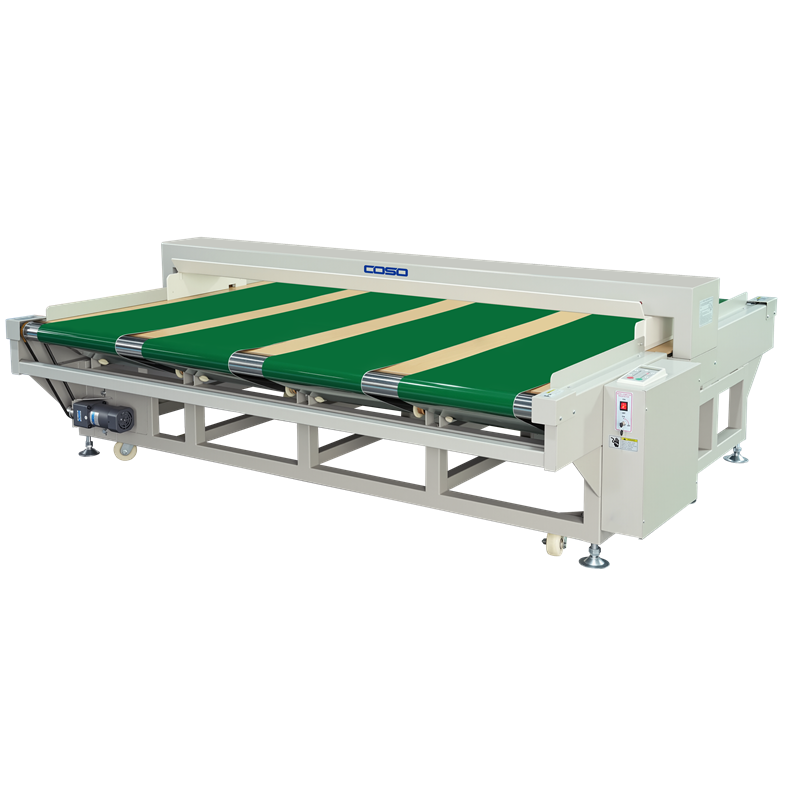
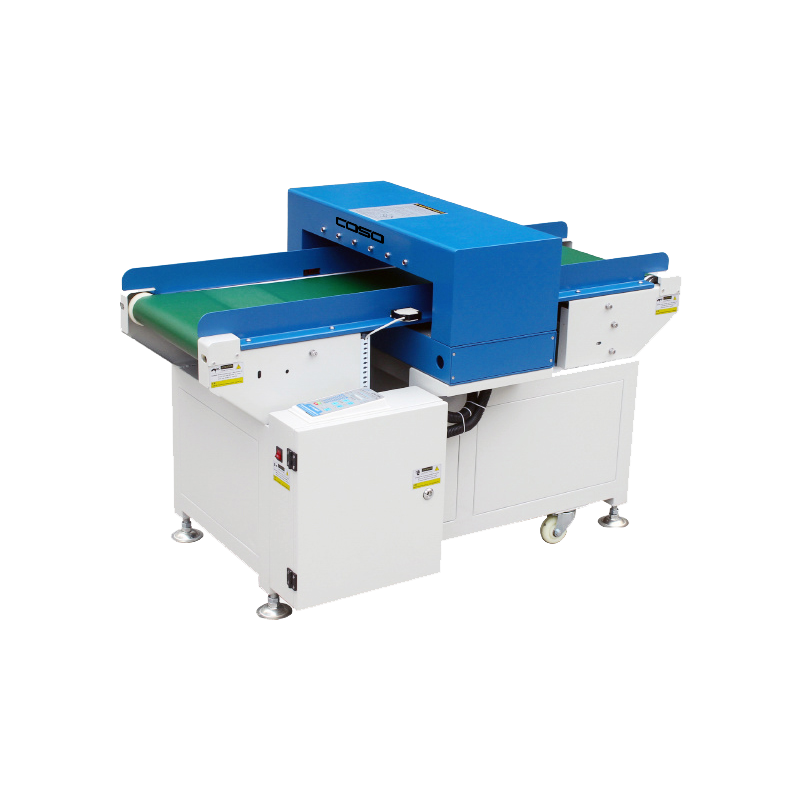
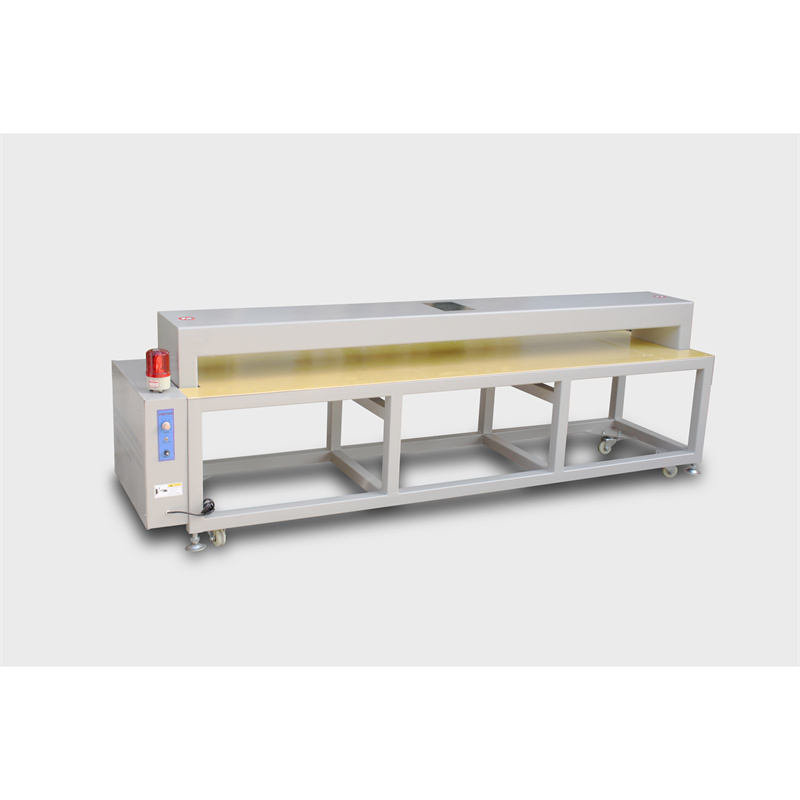
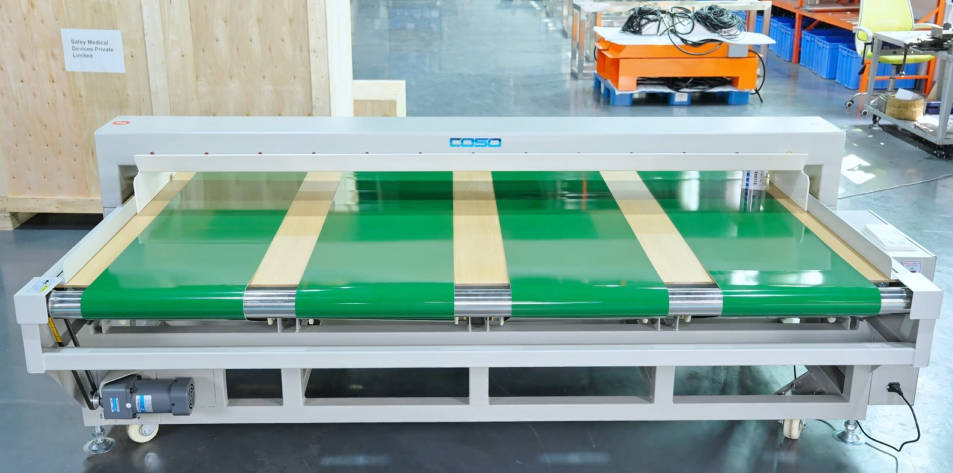
In thetextile & toysindustry, metal contamination is a significant concern. Our advancedneedledetectors are capable of identifying ferrous, non-ferrous, and stainless steel contaminants—such asbroken needles,worn parts frommachine, screws, nails or small parts from the material.These systems ensure that harmful contaminants are removed during production, preserving product quality and preventing damage to processing equipment.

X-ray inspection technology is essential in thetextile & toysindustryfor detecting non-metallic contaminants like glass, ceramic, rubber, or stones, which metal detectors cannotidentify. It ensuresthat raw materials and finished products are free from foreignobjects.This technology is particularly valuable for inspecting non-transparent or multi-layerpackagingmaterials, ensuring product integrity and compliance with safety standards. By using X-ray inspection, manufacturers can improve product quality, minimize contamination risks, and maintain high safety standards.
Checkweighing system is vital at the final production stages in the textile & toys industry to ensure that products and packaging meet precise weight specifications. Whether dealing with processed products, or packaged goods, our precision checkweighers verify that each bag or package meet the required weight range. This helps prevent issues like underweight or overweight products, reduces waste, and ensures consistency in the packaging process, while maintaining compliance with industry regulations and quality standards.
The Benefits of Automated Inspection
1. Product Safety &Consumer Health
Automatedproductinspection systems guarantee product safety by ensuring compliance with health and safety standards, thereby protecting consumer rights and health. Through real-time detection of physical hazards such asbroken needles, screws, nails or worn parts from material or machineusing advanced detection and density imaging, these systems eliminate the risk of injury or accidental ingestion. This not only helps avoid complaints and preserve brand reputation but also ensures that every product reaching the market is fundamentally safe for consumers.
2. Equipment Protection
Automated inspection systems can detect flaws in processing equipment early, preventing damaging your equipmentand reducing maintenance costs, thereby prolonging the life of your machinery.
3. Compliance with Industry Standards and Consumer Demands
Automated systems generateauditdigital logs that simplify compliance with international standards likeISO 9001 and OEKO-TEX 100.Furthermore, by ensuring consistent product integrity and weight accuracy, manufacturers can meet strict retailer requirements and build long-term brand loyalty with consumers.
4. Enhancing Production Efficiency and Reducing Costs
Automated rejection replaces inefficient manual sampling, significantly increasing line speeds. Precision checkweighing minimizesmaterials wasteto save raw material costs, while early contaminant detection prevents damage to expensive downstream machinery, drastically reducing operational waste and potential recall expenses.