

Quality Assurance in the Pharmaceutical Industry: Ensuring Safety and Quality
In the pharmaceutical industry, safeguarding the safety and quality of products is critical. The complex process, from raw material sourcing to manufacturing, packaging, presents multiple ways for contamination. Pharmaceuticals must be meticulously handled to prevent foreign contaminants such as metal, plastic, and glass. These contaminants not only endanger consumer health but can also result in costly recalls, regulatory penalties, and irreversible brand damage. Our advanced inspection and weighing systems are designed to maintain the safety and quality of pharmaceutical products, ensuring the standards from raw material to production.
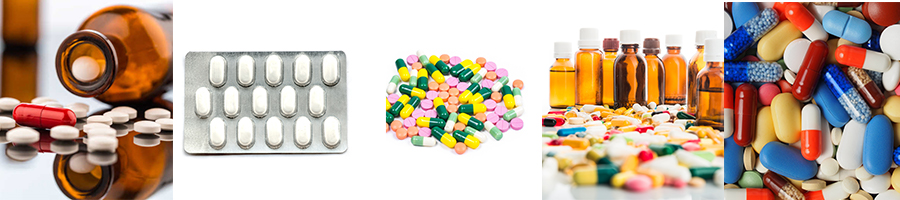
The Invisible Threat: Challenges in Pharmaceutical Contamination Control
Unpredictable Contamination Sources
Contamination can arise from multiple sources throughout the pharmaceutical manufacturing process. Foreign objects—such as metal fragments, plastic particles, stones and glass—can enter products during any stage of production, from raw material handling to final packaging. Issues such as equipment malfunctions, inadequate storage conditions, or faulty packaging materials are common risks.
Mechanical and Human Risks
Both mechanical breakdowns and human error contribute to contamination risks. Equipment failure, like broken parts in tablet press, filling machines or packaging machines, can introduce foreign objects into the medicine. Similarly, human oversight, such as dropping small tools, pens, gloves, or other fragments can cause contamination.
Detection Challenges in Pharmaceuticals
Pharmaceutical products come in diverse forms—tablets, capsules, liquids, and creams—which present unique detection challenges. Liquids or creams can interfere with detection due to their varying densities, form features and moisture content. Additionally, multi-layer packaging, commonly used in pharmaceuticals, can obstruct detection, requiring specialized equipment and advanced algorithms to ensure accurate contamination detection.
Sanitary Control & Microbial Risks
Pharmaceutical products are susceptible to microbial contamination, especially those that require sterility, like injectables and oral medications. Bacteria such as E. coli, Salmonella, and Aspergillus can compromise both patient safety and product shelf life. Ensuring thorough sanitation, with easy-to-clean equipment and regular high-pressure washdowns, is crucial to comply with global pharmaceutical hygiene standards (e.g., FDA, GMP, WHO).
Industry Standards & Regulatory Compliance
The pharmaceutical industry is governed by rigorous standards to ensure that medicine is safe and effective. Guidelines such as FDA, GMP, and WHO regulations are crucial for maintaining safety and compliance. Our inspection systems are designed to meet these stringent standards, offering logs that ensure traceability and transparency throughout the production process. These systems help prevent contamination and maintain compliance, reducing the risk of drug recalls while ensuring safe and efficient operations.
Advanced Inspection Technologies: Metal Detection, Weight Inspection, and X-ray Inspection
Manual inspection is difficult to meet the rigorous safety standards in pharmaceutical manufacturing. Our advanced technologies—metal detection, weight inspection, and X-ray inspection—offer comprehensive solutions to ensure product safety, quality, and regulatory compliance. These systems can be integrated into production lines, or used individually, depending on your specific needs and risk factors.
Choosing the Optimal Equipment for Pharmaceutical Needs
Metal Detection
Metal contamination is a serious concern in pharmaceutical production. Our pharmaceutical metal separators identify ferrous, non-ferrous, and stainless steel contaminants, ensuring that harmful metal contaminants are detected and removed, safeguarding consumer health and protecting your brand's integrity.
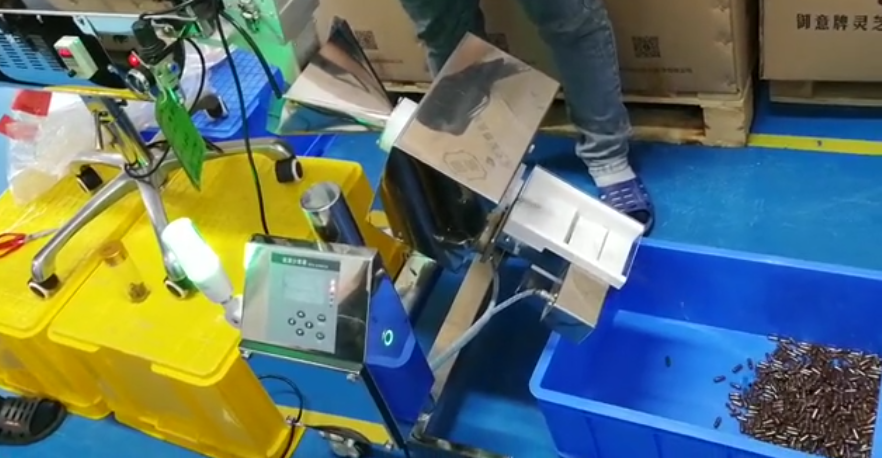
Metal contamination detection in capsule
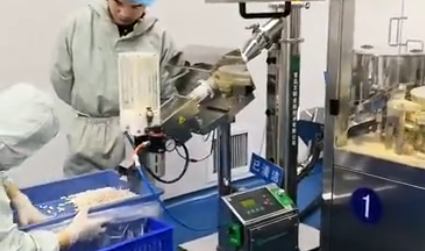
Metal contamination detection in tablet
X-ray Inspection
X-ray inspection is essential for detecting non-metallic contaminants, such as plastic, glass, ceramic and stones. It can also inspect the bottled or canned medicine. This technology is especially useful for multi-layered or opaque packaging.
Checkweighing
Accurate dosing is critical in pharmaceutical production. Our checkweighing systems ensure precise weight and volume measurements for every tablet, capsule, or liquid. This prevents underweight or overweight, maintaining the efficacy of medications while optimizing production efficiency. Sometimes, two machines can be integrated into one unit for your limited production line.
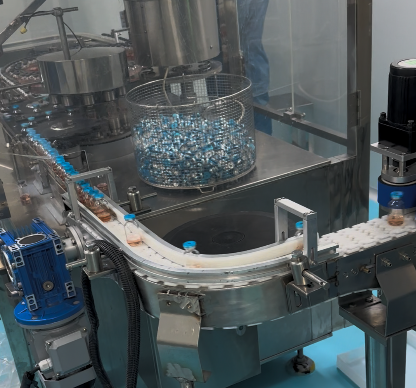
Weight inspection (vial)
Pharmaceutical Supply Chain Cases
Our inspection systems have been successfully deployed in diverse pharmaceutical production lines, from solid dosage forms like tablets and capsules to liquids, creams, and injectables. We've addressed specific challenges in pharmaceutical manufacturing, transforming complex issues into documented successes. Whether it's detecting metal contaminants in tablets, ensuring the quality of liquid medicines, or preventing weight discrepancies in high-speed packaging, our systems consistently deliver high-quality results. Explore our case studies to understand how we help manufacturers achieve regulatory compliance and boost operational efficiency.
The Benefits of Automated Pharmaceutical Inspection
Enhanced Product Safety and Protect Consumer Health
Automated inspection systems ensure that every pharmaceutical product meets health and safety standards by detecting contaminants and verifying quality. Through advanced detection like metal, plastic, glass, and stone detection, these systems protect consumer health and maintain product integrity.
Regulatory Compliance & Trust
By generating logs for GMP and WHO guidelines, our systems help pharmaceutical manufacturers ensure consistent compliance with global safety regulations. This transparency builds consumer trust and strengthens long-term brand loyalty.
Operational Efficiency & Cost Reduction
Our precision checkweighing systems, combined with early contaminant detection, reduce waste, minimize costly recalls, and enhance production efficiency. By minimizing human error and optimizing production, these systems contribute to cost savings while maintaining industry standards of safety and quality.