


Pneumatic Metal Separator for Modified Plastic Pellets in a Central Feeding System
Customer Background
A plastic injection molding manufacturer uses a centralized material feeding system to pneumatically transport modified plastic pellets to multiple injection molding machines.
During the conveying processing, the material travels through the pipeline at high speed under continuous airflow. Although this system provides efficient and automated material handling, the high-speed pneumatic conveying environment crates additional challenges for metal separation.
The customer required a metal separator that could reliably remove metal contaminants without affecting the conveying pressure, material flow, or cleanliness of the production environment.
Challenges in Pneumatic Conveying
The high-speed pneumatic conveying process presented three key challenges.
1. Static Electricity
Continuous friction between the plastic pellets and the inner wall of the pipeline can generate static electricity. Static accumulation may interference with stable detection and create additional risks during material conveying.
2. Sealing Performance
The system operates under continuous air pressure. A conventional separation structure may allow powder of fine material to escape during the rejection process, potentially causing material loss and affecting the cleanliness of the factory.
3. Fast and Reliable Rejection
The plastic pellets move rapidly through the pipeline. The rejection mechanism therefore needs to respond quickly enough to remove detected metal contaminants without missing contaminated material.
At the same time, the system may cause air leakage when operating, resulting in pressure loss in the conveying pipeline.
COSO's Customized Solution
To meet these requirements, COSO customized and optimized the pneumatic metal separator specifically for the customer's pneumatic conveying conditions.
Stainless Steel Construction and Static Protection
The main body of the separator is constructed from stainless steel to reduce material accumulation and deformation risks while maintaining a smooth material flow.
The pipeline is made from high-temperature-resistant material and treated with a graphite coating. This design helps dissipate static electricity generated during high-speed material conveying, providing a more stable detection environment.
Enclosed Rejection Structure
When metal contamination is detected, the rejection system responds immediately and diverts the contaminated material into the defective outlet. The rejected material remains isolated from the main conveying line until the current material suction cycle is completed.
This enclosed rejection structure allows the separation process to take place without opening the conveying pipeline to the surrounding environment.
Integrated Conveying & Detection System
1. Airflow remains contained within the conveying system.
2. Conveying pressure is maintained.
3. Powder and fine material are prevented from escaping into the factory.
4. Fast rejection system response helps reduce missed contaminants.
5. Contaminated material can be collected and discharged after the conveying cycle.
Installation and System Integration
The pneumatic metal separator can be integrated directly into the customer's existing central feeding system. Depending on the pipeline layout and available installation space, the separator can be configured for vertical, horizontal, or inclined installation.
Quick-conect and flange connection options are also available to simpy integration with different pipeline configurations. This flexible design allows the metal separator to be installed without major modifications to the existing material conveying system.
Application
With the customized pneumatic metal separator, the customer gained continuous metal contamination protection for modified plastic pellets during high-speed pneumatic conveying.
The solution provides:
1. Reliable metal detection in high-speed material flow.
2. Effective static electricity management
3. Enclosed rejection with improved sealing performance
4. Fast contaminant removal with reduced missed-rejection risk
5. Minimal material loss during rejection
6. Stable conveying pressure
7. Easy integration with existing central feeding systems
The customized design enables reliable metal separation even under demanding pneumatic conveying conditions, helping injection molding manufacturers protect downstream equipment and maintain stable, clean, and continuous production.
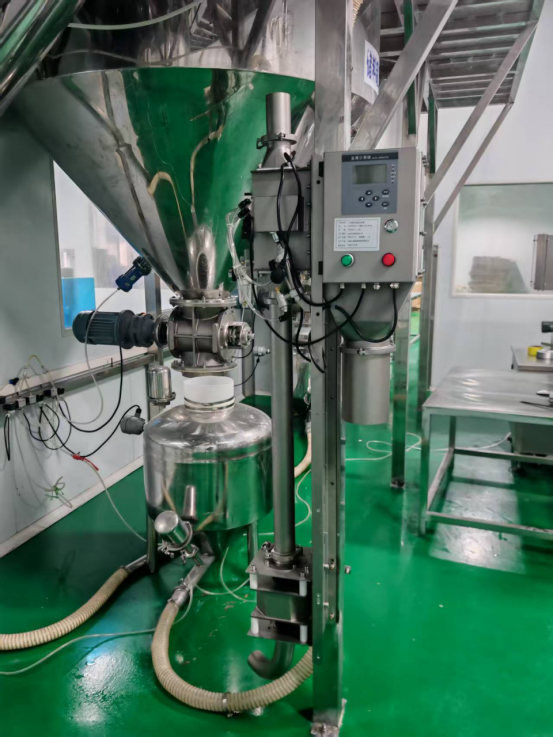
On-site Picture


