



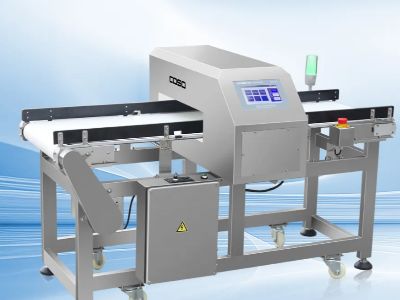
Installing and debugging a fully automatic metal detector machine can be a fun and interesting project. If you are working in a factory or any place that uses metal detectors, knowing how to set one up correctly is very important. COSO has made it easy to find the right tools and parts for this task. This article will guide you step-by-step through the process so you can get your metal detector conveyor working well
Where to Find Quality Parts for Your Fully Automatic Metal Detector Conveyor
Procuring premium-grade, reliable components is the foundation of establishing an efficient and highly functional automatic industrial metal detector conveyor system. When upgrading or building a screening line, it is highly recommended to partner directly with recognized global engineering brands like COSO Electronic Technology, which specializes in advanced digital intelligent systems like the AEC500C Series. Relying on established manufacturers ensures that replacement hardware, modular Weighing conveyor belts, and digital control sensors adhere to stringent global safety and manufacturing benchmarks. Before purchasing components online or through local industrial supply corridors, facility managers should meticulously verify customer reviews, confirm comprehensive warranty protections, and cross-reference compatibility with existing production layouts. Securing parts from verified manufacturing channels actively prevents the integration of low-grade sub-assemblies, preserving system longevity and keeping operational lines moving safely
Step-by-Step Guide
Proper deployment and careful calibration are paramount to achieving reliable product purity and avoiding immediate mechanical failures along your processing line. The integration process begins by preparing an optimal physical environment, ensuring the unit is situated on a perfectly level, stabilized surface with adequate clearance away from external electromagnetic disturbances. Technicians must strictly adhere to the manufacturer’s schematics to configure the system’s advanced reject systems, such as automated pneumatic arms, sinking conveyors, or flap rejectors. Once the physical and wiring assemblies are securely fastened, the system's intelligent one-button self-learning function should be activated to automatically assess and store customized product parameters. The installation phase concludes with strict initial test runs using certified ferrous, non-ferrous, and stainless steel test cards to guarantee that the sensor array reacts with total accuracy before live inventory is introduced
What Are the Common Usage Issues with Metal Detector Conveyors
Industrial metal detector conveyor are highly complex systems that can occasionally exhibit operational anomalies if environmental or mechanical conditions drift outside optimal parameters. False alarms represent a major operational bottleneck, occurring when conductive materials, moisture, or heavy vibration mimic the signature of a metallic foreign object, which unnecessarily halts production. Conversely, a poorly configured system might miss actual metallic contaminants if the conveyor belt speed exceeds the sensor’s scanning refresh rate or if product parameters have changed. Furthermore, placing the scanning tunnel too close to high-powered electric motors can induce electromagnetic cross-talk, leading to errant signals and unstable performance. Recognizing these common failure modes early allows plant operators to quickly differentiate between a true material contamination event and an easily fixable systemic calibration error
How to Ensure Optimal Performance of Your Metal Detector Conveyor
Sustaining peak operational efficiency and achieving continuous regulatory compliance requires a structured combination of daily testing, clean environments, and structured operator training. Plant supervisors should establish a mandatory validation schedule, passing known metal samples through the search tunnel at the start of each shift to verify that the sensitivity levels remain perfectly optimized. Maintaining immaculate equipment cleanliness is equally vital, as a build-up of industrial dust, metallic shavings, or moisture near the coils will blind the sensors and drastically reduce detection accuracy. Facilities should also mandate comprehensive training programs so that line operators can decisively manage false rejects and accurately document all system alerts in a centralized maintenance log. This proactive approach ensures that minor operational drifts are caught and corrected early, protecting your brand reputation and helping your facility easily pass rigorous audit reviews
How to Troubleshoot Your Metal Detector Conveyor for Maximum Efficiency
When an inline inspection system suffers an unexpected drop in efficiency or experiences sudden technical faults, a rapid, step-by-step diagnostic protocol must be initiated to protect the facility from extended downtime. Technicians should immediately verify the core stability of the power supply, checking for blown fuses, voltage drops, or loose wiring links that can trigger intermittent sensor blackouts. Next, the conveyor belt must be thoroughly inspected for physical tears, surface metal contamination, or tracking misalignments that can cause products to sway erratically through the center of the detection zone. If adjusting the system's internal digital sensitivity limits fails to resolve the issue, performing a complete system factory reset will often clear lingering software bugs. For highly complex or persistent automated errors, reaching out directly to certified field technicians ensures a rapid resolution, restoring your manufacturing line to maximum efficiency.


