×

Get in touch

Seasonings & Ingredients

Home >  Industry Solutions  >  Food  >  Seasonings & Ingredients

Back

Seasonings & Ingredients

0

As a producer or retailer in the seasoning and ingredients industry, ensuring food safety and product quality is essential. The journey from sourcing raw ingredients to processing, blending, packaging involves several stages that expose products to potential contamination risks. Seasonings and ingredients, being integral components in food products, must be handled with care to avoid contamination by foreign objects such as metal, plastic, stone, or glass. These contaminants not onlydamageconsumer health but can also lead to costly product recalls, damaging your brand reputation. Our advanced inspection and weighing systems are designed to protect the quality and safety of your seasonings and ingredients throughout the production process, ensuring you deliver safe, high-quality products to your customers. From detecting foreign objects to verifying product consistency and ensuring precise weight measurements, our machines help you maintain consumer trust and satisfaction.

The Invisible Threat: Multi-Dimensional Challenges in Seasoning & Ingredient Contamination Control

1. Unpredictable Sources of Contamination

Seasoning and ingredient production lines face several contamination risks from various sources. Foreign objects such as metal fragments, plastic particles, and glass shards can enter therawingredients during production, blending, or packaging. These contaminants may come from equipment malfunctions, inadequate packaging materials.

2. Mechanical and Human Risks

Contamination may arise from both mechanical issues and human oversights. For example, broken parts from grinding or mixing machines can introduce foreign objects into the seasonings. Workers may accidentally drop personal items such as buttons, pens, or tools, which could then contaminate the final product.

3. Detection Challenges in Seasonings and Ingredients

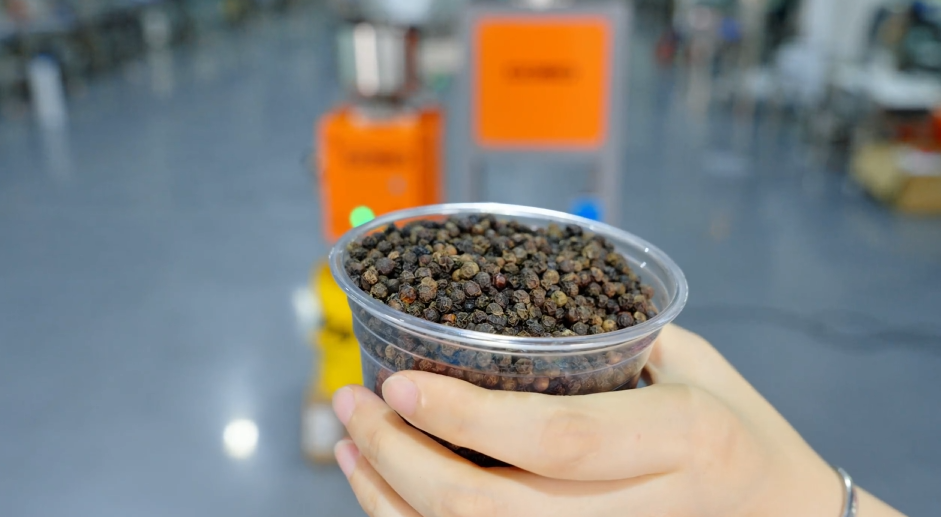
Seasonings and ingredients often come in various forms, from powders and granules to liquids and pastes. This diversity in texture, size, moisture levels, and density presents unique challenges for contamination detection. Fine powders such as spices or flour may be difficult to detect with standard systems, and liquids or pastes might interfere with the sensitivity of metal detectors, metal separatorsor X-ray systems. Additionally, certain packaging materials, such as foil-lined pouches or multi-layered bags, can obstruct proper detection. Specialized equipment and advanced detection algorithms are required to overcome these challenges and ensure accurate contamination control.

4. Sanitary Costs & Bacterial Control

Seasonings and ingredients, especially thoseraw seeds or ingredientsdue to their moisture content or nutrient density. Controlling bacteria like Salmonella, E. coli, and Listeria is essential for both consumer safety and the preservation of product shelf life. The equipment used in production must be easy to clean and sanitize, with no hard-to-reach areas where bacteria could accumulate. Regular high-pressure cleaning and washdowns are necessary to meet global food safety standards, and machinery must be designed to withstand these rigorous cleaning processes.

Industry Standards & Regulatory Compliance

The seasoning and ingredient industry is highly regulated, with standards such as FDA, GMP, BRCGS, and FSSC 22000 governing the production processes to ensure food safety. Our inspection systems are designed to meet these stringent standards, providing audit digital logs that offer traceability and transparency throughout the supply chain. These systems support compliance with sanitation regulations and help prevent contamination, reducing the risk of foodborne illnesses and ensuring that your production lines remain clean, safe, and efficient.

Advanced Inspection: Metal Detection, Weight Inspection, and X-ray Inspection

Manual inspection alone isdifficultto meet the stringent safety and quality standards required in the seasoning and ingredients industry.Metal detection, weight inspection, and X-ray inspectionoffer a comprehensive solution for ensuring product safety, quality, and compliance. These technologies can be integrated into your production line or deployed individually depending on the specific needs, product types, and risk factors in your operation.

Metal Detection

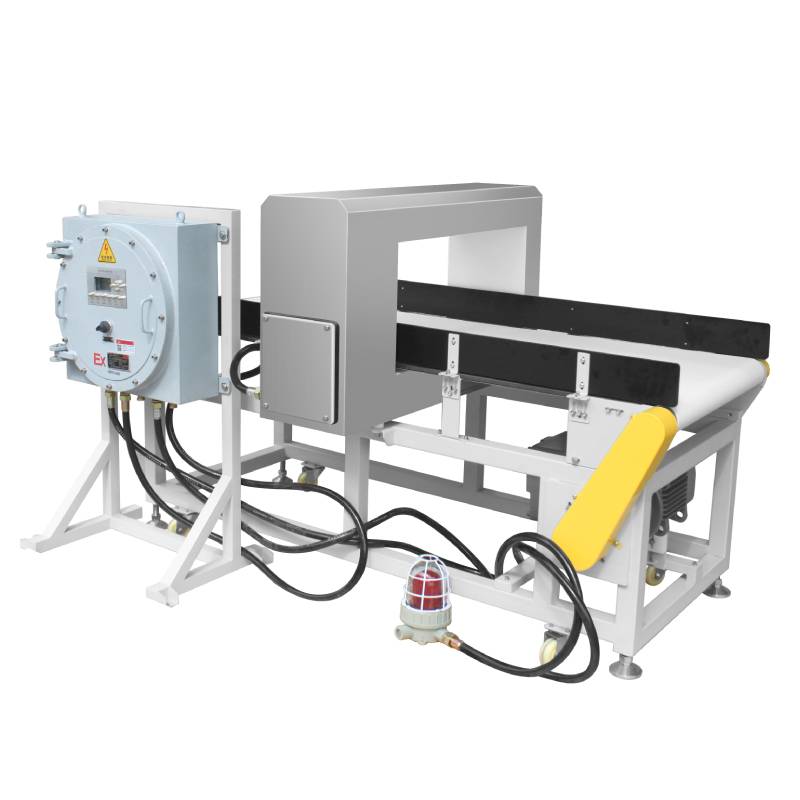
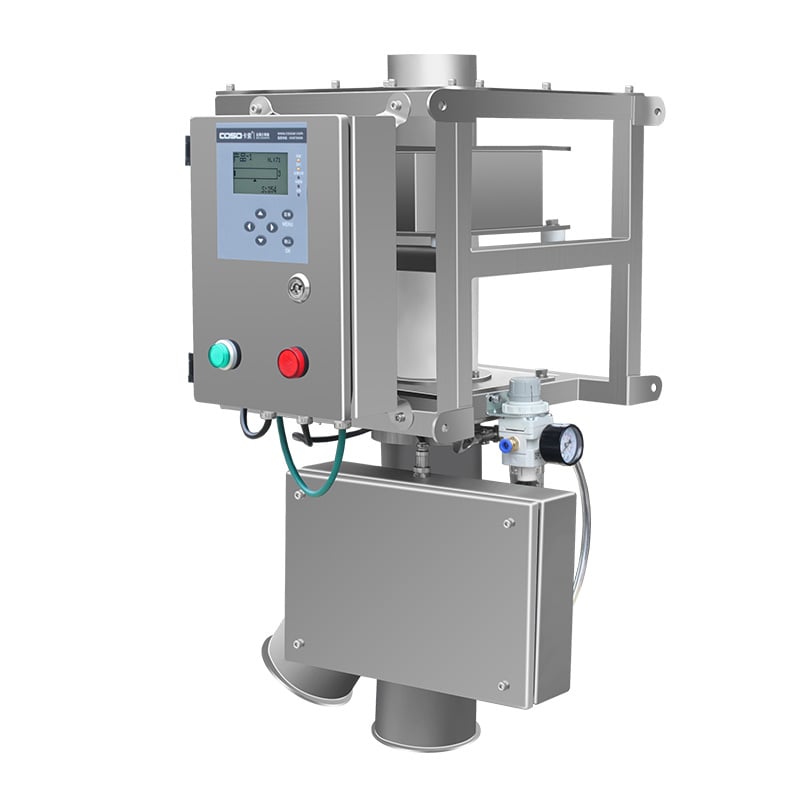
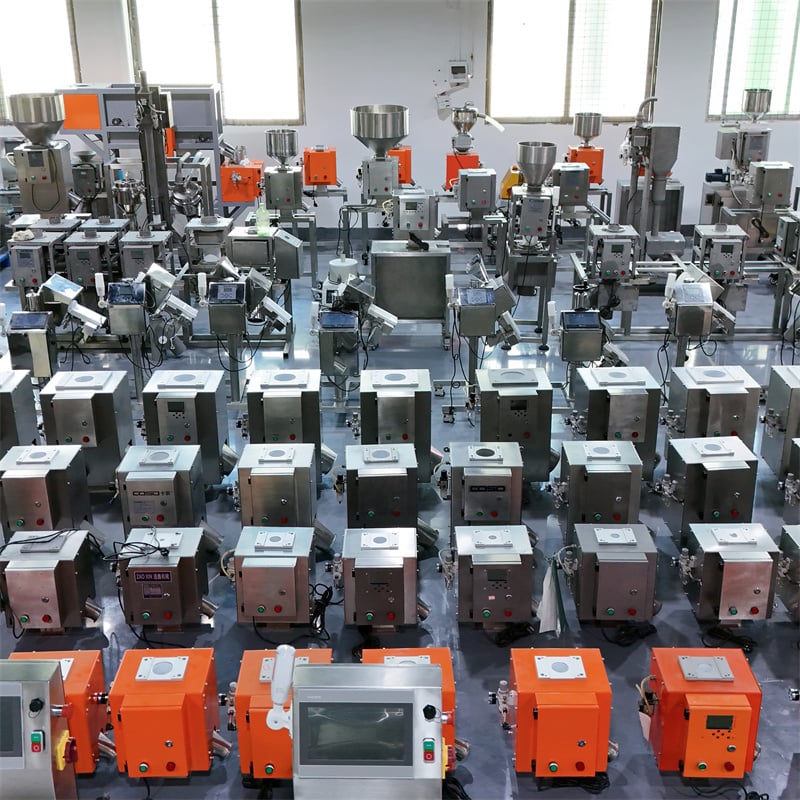
Metal contamination is a significant concern in seasoning and ingredient production. Our advanced metal detectors are capable of identifying ferrous, non-ferrous, and stainless steel contaminants, such as broken machine parts or metal fragments that may accidentally enter the production line. Metal detection ensures harmful contaminants are identified and removed, preserving both consumer health and your brand's reputation.

12.jpg

X-ray Inspection

X-ray inspection systems are crucial for detecting foreign contaminants that metal detectorscan not detect, such as plastic, glass, stone, or other non-metallic contaminants. Additionally, X-ray inspection can be used to ensure that packaged ingredients or seasonings are free from defects such as cracks, air pockets, or any potentialotherissues, especially in multi-layered or non-transparent packaging. This technology ensures your products meet required safety and quality standards.

Checkweighing

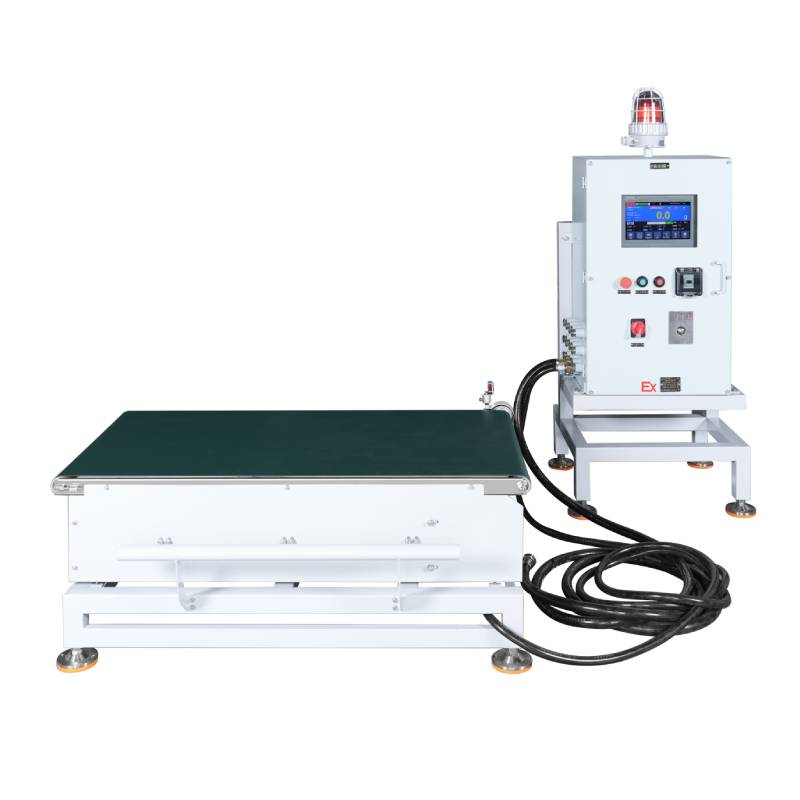
Checkweighing systems are essential for ensuring that seasonings and ingredients meet the required weight standards. Whether inflake,powdered form, granulated, or liquid, our precision checkweighers guarantee accurate filling ofbagsor boxes, preventing underweight or overweight products. This helps reduce waste, maintain consistency, and optimize production efficiency, all while ensuring the final product meets regulatory weight requirements.

12-1.jpg

The Benefits of Automated Inspection

1. Safety & Consumer Health

Automated inspection systems ensure product safety by detecting foreign contaminants and guaranteeing compliance with food safety standards. Advancedequipmentsuchas metal detector, metal separator, X-ray inspection system, checkweigherensure that contamination is eliminated, making suretheseasoning or ingredient reaching the consumer is safe.

2. Compliance & Brand Loyalty

By providing logs for HACCP and GFSI standards, automated inspection systems help seasoning and ingredient producers consistently meet global food safety regulations. This transparency fosters consumer trust and strengthens long-term brand loyalty.

3. Efficiency & Cost Reduction

Precision checkweighing, coupled with early detection of contaminants, helps reduce waste, minimize costly recalls, and optimize production efficiency. By minimizing human error and improving production consistency, these systems contribute to cost savings while ensuring that products adhere to industry safety and quality standards.

Ensure precision and quality across your production line—get in touch now.

Prev

None

ALL

None

Next
Recommended Products
email goToTop