



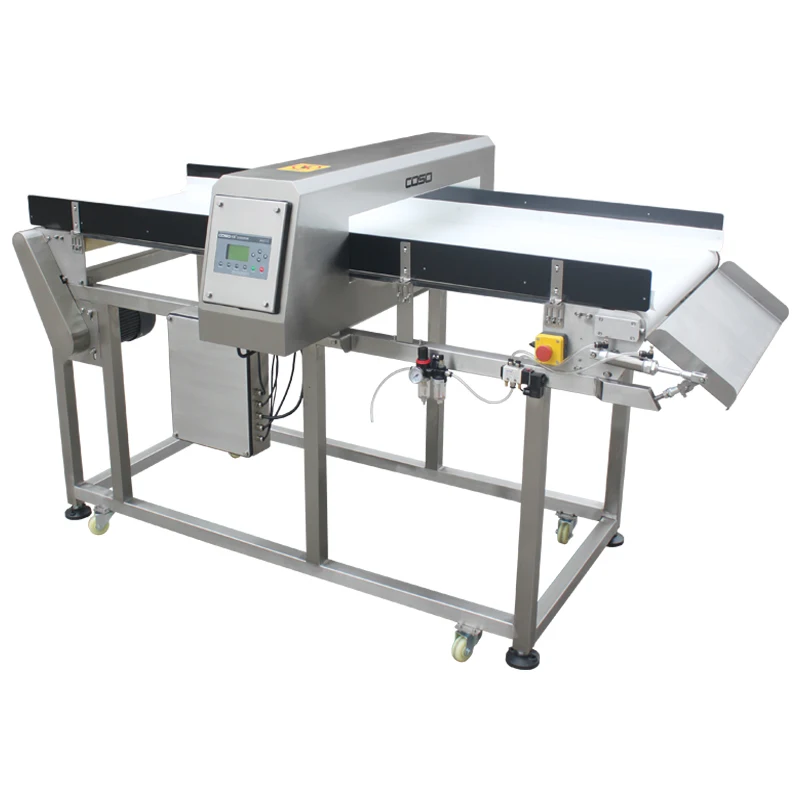
When it comes to keeping your production line going smooth, picking between an X-ray machine and a metal detector can be hard. Both tools help make products safe and without bad stuff. At COSO, we know how important is to have the right gear. Each one have strengths and weakness, and understanding how they operate can help you choose what suit best for your needs.
What You Need to Know for Good Production Line Efficiency
To make the best from your production line, you got to understand how X-ray machines and metal detectors works. X-ray machines uses rays to look inside products. They can detect small bits of metal, plastic, and even other harmful things. For example, in candy making, an X-ray can find a tiny broken machine part that might hurt people. But they are slower sometimes and cost more than metal detector machine. On the other side, metal detectors is simpler. They mostly check for metal pieces. They run faster and usually cheaper, so good for quick inspections. However, they might miss non-metal stuff that is unsafe. It’s key to think about what you produce and what problems could happen. If your product can have both metal and other contaminants, X-ray machine might be better pick. In contrast, for just metal checks, a metal detector will do fine. You should also look at space on your line. An X-ray needs more room and special safety steps. Metal detectors, being small, fits easy in tight spots. Training your team is necessary too. Make sure they know to handle issues like false alarms. That’s why keeping things smooth helps products stay safe and meet quality rules.
What Are Common Problems with X-Ray and Metal Detectors in Production?
Both X-ray machines and metal detectors can face issues in use. For X-ray machines, a common problem is false readings that happens sometimes. This occur if the machine not calibrated right or if product has confusing materials. For instance, scanning a package with many layers, the X-ray might not show inside clearly. This leads to delays and workers unsure if product safe. In addition, X-ray machines need regular upkeep. If not checked often, they won’t work good. On the other hand, metal detectors have their problems too. They can miss tiny metal pieces, specially if setup wrong. For example, low sensitivity let small bits go through. Also, environment affects them. If temperature change or too much dust, it mess up the machine. So it’s critical to setup well and train staff on dealing with these. Regular checks and maintenance keeps everything running smooth. With this, understanding problems let you avoid them, so production stays efficient and safe.
By knowing the good and bad sides of both X-ray machines and industrial metal detector, you can pick best for your needs. At COSO, we here to help choose right tools to keep line safe and efficient.
How X-Ray and Metal Detectors Help Quality in Wholesale Making
In wholesale manufacturing, making products safe and good quality is very important. Two common tools for this are X-ray machines and metal detectors. These act like detectives, finding issues that could harm goods before to customers. X-ray machines use special rays to see inside. They can check for broken parts or harmful materials in products. For example, in toys, an X-ray spots small broken piece. Meanwhile, metal detectors good at finding metal objects. If metal gets in food or products by accident, detector catches it quick. This ensures everything safe for use or eating. COSO uses both in their lines to make products safe and high-quality. By these tools, companies avoid big troubles like recalls or bad customer feedback. Quality control key to happy customers, and both machines help a lot with that.
What Are Main Advantages of X-Ray Over Metal Detectors in Lines?
When choosing between X-ray machines and metal detectors, X-ray have some main benefits. One big plus is X-ray can see more than just metal. They find materials like glass, plastic, or rubber that detectors miss. This matters in many fields. For example, in food making, not only metal dangerous; glass or plastic can hurt too. Another good thing with X-ray is they show inside details well. So they help spot missing parts or shape problems. Metal detectors only check metal, so other contaminants might slip by. COSO knows these pluses and uses X-ray for deeper checks. This boosts product safety and gives customers more trust. In short, X-ray wins because they detect wider issues, making sure products safe and quality for all.
What Is Cost-Saving of X-Ray vs Metal Detector for Operations?
When thinking costs, consider long-term savings. Many think metal detection equipment cheaper to buy and run than X-ray machines. But X-ray can save more money over time. Initial cost higher for X-ray, but they give full inspections. This means less errors and fewer recalls. Recalls cost a lot and damage reputation. If product unsafe and need recall, it takes money and time to fix. COSO sees investing in X-ray helps avoid such costs. Plus, X-ray find problems faster, saving on efficiency. In contrast, metal detectors might miss things, causing more issues later. Overall, for cost-effectiveness, X-ray offer better value as they ensure safe, quality products, saving money and protecting company name.
Table of Contents
- What You Need to Know for Good Production Line Efficiency
- What Are Common Problems with X-Ray and Metal Detectors in Production?
- How X-Ray and Metal Detectors Help Quality in Wholesale Making
- What Are Main Advantages of X-Ray Over Metal Detectors in Lines?
- What Is Cost-Saving of X-Ray vs Metal Detector for Operations?


