


Metal Contaminants
Broken needles, hooks, worn machine parts, and metal fragments can enter products during processing and packaging, creating food safety risks and increasing the possibility of costly recalls.
From raw material handling to final packaging, meat processing lines face multiple contamination risks that can compromise food safety, damage brand reputation, and increase production costs. Understanding where these risks come from is the first step toward building a complete inspection strategy.
Broken needles, hooks, worn machine parts, and metal fragments can enter products during processing and packaging, creating food safety risks and increasing the possibility of costly recalls.
Personal items such as coins, tools, or other foreign objects may accidentally enter the production line during handling, creating unpredictable contamination risks that are difficult to prevent manually.
Continuous operation can lead to equipment wear, causing metal shavings, loose screws, worn components, and broken parts to fall into products. These hidden contaminants can compromise food safety and result in costly production losses.
High-moisture products such as fresh meat can create product effects that interfere with metal detection, leading to false rejects, unnecessary waste, and reduced production efficiency.
Detect metal contaminants, identify foreign objects, and ensure accurate weight control with integrated inspection solutions built for safer and more efficient meat processing.
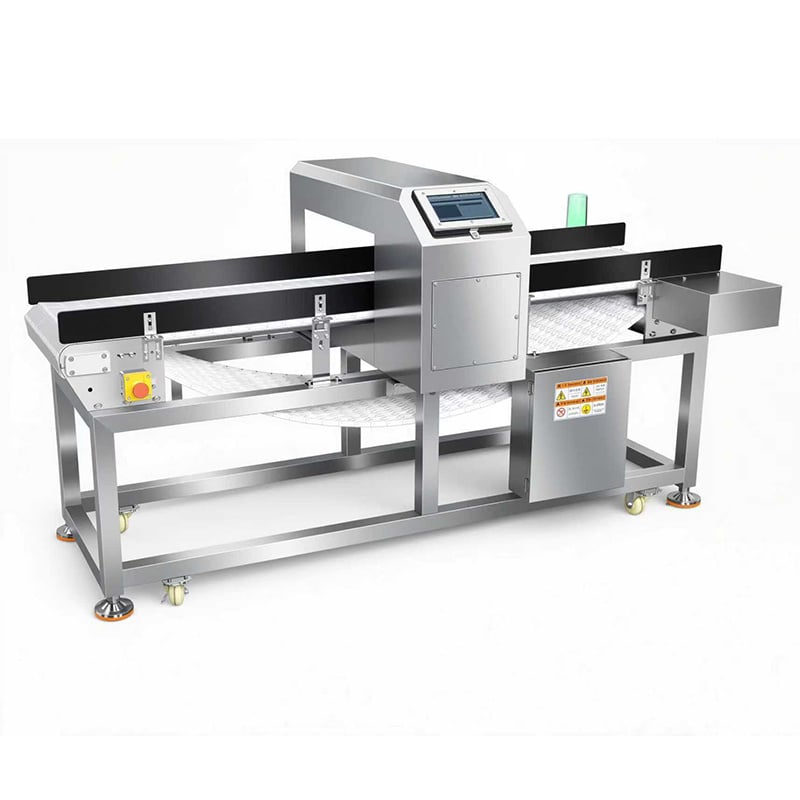
Detects metal contaminants from processing equipment, broken parts, and foreign objects, including ferrous, non-ferrous, and stainless steel. Metal detector ensures stable detection performance even in challenging high-moisture meat processing environments.
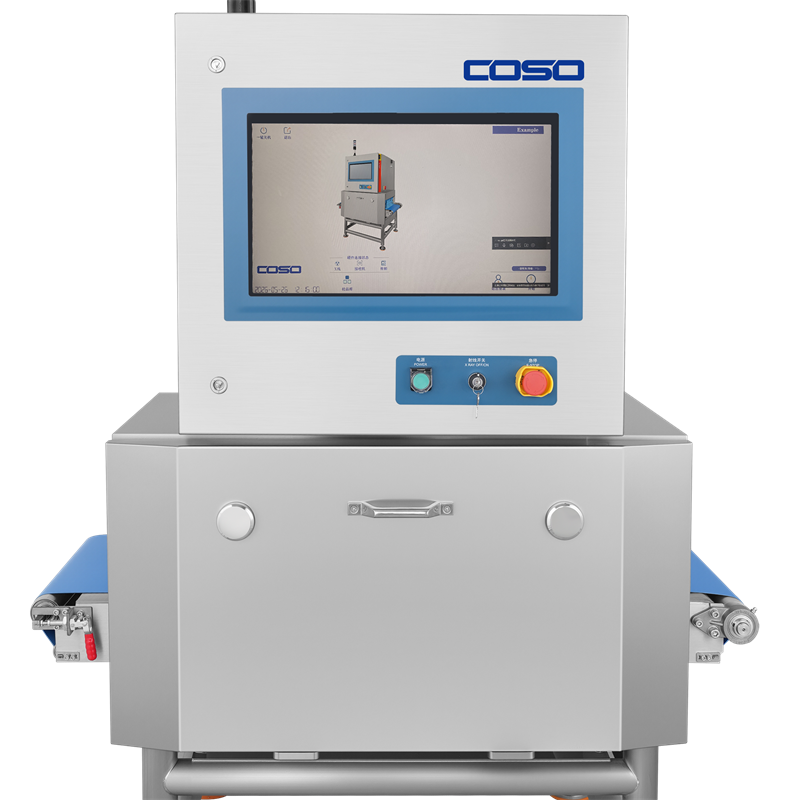
Detects bone fragments, glass, stone, ceramic, and dense plastics through different packaging materials. Beyond foreign object detection, it also helps identify product defects and filling inconsistencies for complete quality control.
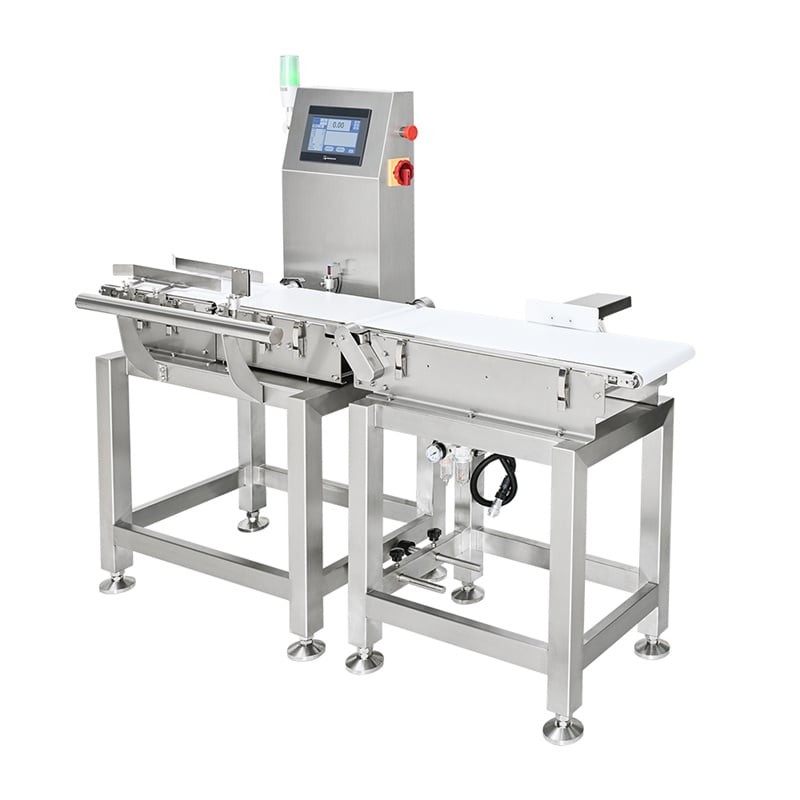
Ensures every meat package meets required weight specifications by detecting underweight, overweight, and missing products. Precise weighing control helps reduce waste, optimize yield, and improve production efficiency.
Customer Applications
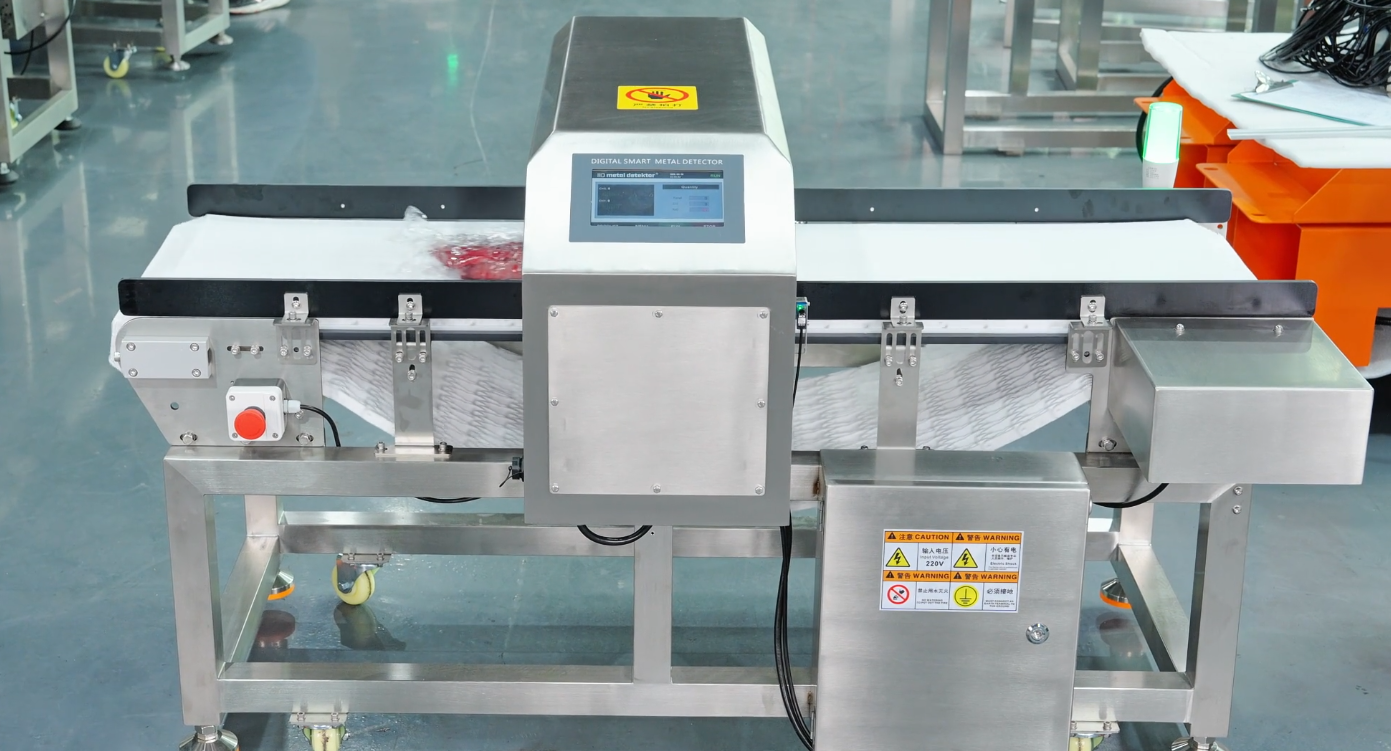
A meat processing plant faced recurring metal contamination risks caused by aging slicing equipment. Small metal fragments and worn machine parts were entering the production line, while high-moisture levels in fresh meat created strong product effects and frequent false rejects.
By implementing COSO electromagnetic induction technology with advanced product effect compensation, the plant achieved stable contaminant detection without slowing production. The upgraded inspection system improved line efficiency and helped the facility successfully pass its next food safety audit.
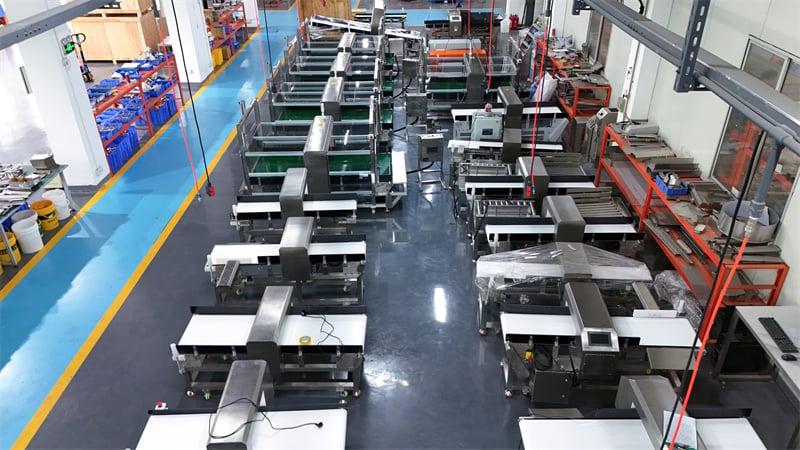
With over 20 years of experience in inspection technology, COSO provides customized detection and sorting solutions for global customers across food, pharmaceutical, and industrial sectors. From product development and manufacturing to installation and after-sales support, COSO helps customers achieve safer production with reliable, efficient, and cost-effective inspection solutions.
Backed by strong R&D, flexible customization, and rapid response, COSO delivers one-stop detection and sorting solutions—from design to delivery—helping industries reduce labor, cut costs, and improve efficiency.
COSO products integrate modular design, intelligent algorithms, and precision manufacturing. Certified with over 20 national patents, ISO 9001, CE, FDA, and RoHS, our solutions guarantee reliable performance with easy installation, operation, and maintenance. A mature supply chain and economies of scale keep spare parts and service costs low—ensuring a hassle-free experience for our customers.
For over 20 years, COSO products have been exported to more than 90 countries and regions, serving over 12,000 premium clients across more than 200 specialized industries. The products have been adopted by numerous Fortune Global 500 companies.
GET STARTED
Provide your product type, packaging type, dimensions, and weight, along with images and production requirements. The COSO team will help you select the right inspection equipment.


