



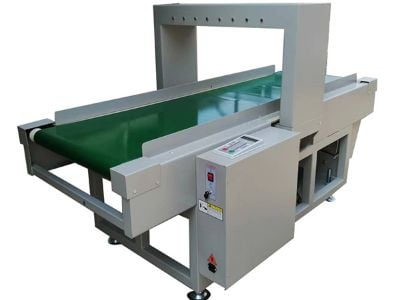
In the pharmaceutical industry, metal detectors are very important. They help keep medicine safe and clean. A cleanroom is a special place where drugs are made. It needs to be super clean so that no dirt or germs get into the medicines. This is where metal detectors come in. They check for tiny pieces of metal that shouldn’t be in the products. If there is a problem with the metal detector, it can lead to serious issues. This is why calibration is so important. Calibration means making sure the metal detector machine works correctly and finds any metal. Companies like COSO provide services to help keep these machines in good shape, so they can keep medicines safe for everyone.
Where to Source High-Quality Metal Detector Calibration Services for Pharmaceuticals?
Finding good calibration services for metal detectors is key for companies in the pharmaceutical field. One place to start looking is online. Many companies have websites that talk about their services. You can read reviews from other customers to see if they are trusted. COSO is one of those companies. They know how to handle Industrial metal detector and can help with calibration. It’s important to choose a service that understands the strict rules in the pharmaceutical industry. These rules are there to ensure safety and quality. It’s also helpful to ask for recommendations. If you know someone in the same industry, they might have suggestions. When you talk to a calibration service, ask about their experience. Make sure they have worked with pharmaceutical companies before. Also, check if they have the right tools and technology to do the job. Good calibration services will make sure your metal detectors are accurate. This helps in catching any metal before it can harm the products. Finally, don’t forget to ask about their response time. If your metal detector has an issue, you want someone who can help quickly. Having a reliable partner like COSO can make a big difference in keeping your cleanroom safe and efficient.
What Common Issues Arise in Metal Detector Calibration for Cleanrooms?
Metal detector calibration in cleanrooms can face several challenges. One big issue is dust and particles. Cleanrooms are supposed to be clean, but sometimes tiny bits of dust can still get in. These particles can confuse the metal detector, making it think there is metal when there isn’t. This can lead to false alarms, which waste time and resources. Another problem is the temperature and humidity in the cleanroom. If it’s too hot or too humid, it can affect how the metal detector works. It’s important for the environment to be just right for the machines to operate correctly.
Additionally, regular use of metal detectors can cause wear and tear. Over time, parts can become loose or damaged, leading to calibration issues. This is why regular checks are necessary. Companies must have a schedule for calibration to keep everything running smoothly. It’s also crucial to train staff on how to use the All metal detector machine properly. Sometimes, human error can cause problems too. When employees don’t know the best practices, it can lead to mistakes during calibration. Training can help avoid this.
Finally, even the best machines can have technical issues. They may need repairs or updates. It’s important to have a good support team, like COSO, ready to help if something goes wrong. They can provide quick service to fix any problems and ensure the metal detectors are in top shape. Keeping these machines calibrated and well-maintained helps keep the cleanroom safe and ensures that the medicines produced are free from any harmful metal.
How to Choose the Right Calibration Equipment for Pharmaceutical Metal Detectors?
Choosing the right calibration equipment for metal detectors in the pharmaceutical industry is very important. When a company makes medicines, it must ensure that no metal pieces accidentally get into the products. This is because metal can be harmful to people. To make sure metal detectors work well, they need to be calibrated regularly. Calibration means checking and adjusting the equipment to make sure it gives the right results. When selecting calibration equipment, you should look for a few key things. First, it should be easy to use. If it is complicated, workers may not use it correctly. Second, it should be accurate. It needs to give exact measurements so that companies can trust the results. Third, it should be reliable. This means it should work well every time you use it. COSO offers great options for calibration equipment that meet these needs. Another important factor is support and training. When you buy calibration equipment, it is helpful to get training on how to use it properly. COSO provides training sessions to help workers learn how to use the calibration tools effectively. Lastly, think about the cost. You want to find equipment that fits your budget but also works well. Investing in good calibration equipment will save money in the long run, as it helps avoid problems with metal in medicines.
Where to Find Wholesale Calibration Solutions for Cleanroom Metal Detection?
Finding wholesale calibration solutions for cleanroom metal detection can be easy if you know where to look. Cleanrooms are special areas where medicines are made, and they must be kept very clean. Metal detectors in these areas help to keep products safe. To find good wholesale solutions, you can start by checking online. Many companies sell calibration equipment online, and you can compare prices and features easily. COSO has a strong online presence and offers a variety of calibration solutions for metal detectors. You can also reach out to local suppliers who focus on pharmaceutical equipment. They may have good deals on calibration tools. Another option is to attend industry trade shows or conferences. These events are a great way to meet suppliers and learn about the latest equipment and standards. At these events, you can ask questions and see the equipment in action. Additionally, networking with other companies in the pharmaceutical industry can help you find recommendations for reliable wholesale suppliers. Don't forget to consider the company’s reputation. You want to work with suppliers that are known for quality and good customer service. COSO is recognized for providing excellent calibration solutions and support, making it a great choice for companies looking to ensure their metal detectors are working correctly.
What Are the Latest Trends in Calibration Standards for Pharmaceutical Equipment?
Keeping up with the latest trends in calibration standards for pharmaceutical equipment is crucial for companies in this industry. As technology advances, so do the standards for calibrating equipment like metal detectors. One trend is the move towards more automation. This means that calibration processes are becoming more automated, which can save time and reduce human error. Automated systems can perform checks and adjustments without much manual intervention. Another trend is the use of real-time monitoring. This allows companies to track the performance of their metal detectors continuously. If something goes wrong, they can fix it right away. COSO is at the forefront of these innovations, providing equipment that can be integrated with real-time monitoring systems. Additionally, there is a greater focus on compliance with international standards. Companies are paying more attention to meeting regulations set by health authorities around the world. This ensures that the medicines produced are safe for consumers. Training and education are also becoming more important. As standards change, companies need to make sure their workers are well-trained on the latest calibration practices. COSO offers training programs that cover these new trends, helping businesses stay compliant and safe. Lastly, sustainability is becoming a key focus. Many companies are looking for ways to reduce waste and use eco-friendly materials in their calibration processes. By keeping an eye on these trends, companies can ensure that their calibration practices are up-to-date and effective in keeping their products safe.
Table of Contents
- Where to Source High-Quality Metal Detector Calibration Services for Pharmaceuticals?
- What Common Issues Arise in Metal Detector Calibration for Cleanrooms?
- How to Choose the Right Calibration Equipment for Pharmaceutical Metal Detectors?
- Where to Find Wholesale Calibration Solutions for Cleanroom Metal Detection?
- What Are the Latest Trends in Calibration Standards for Pharmaceutical Equipment?


