



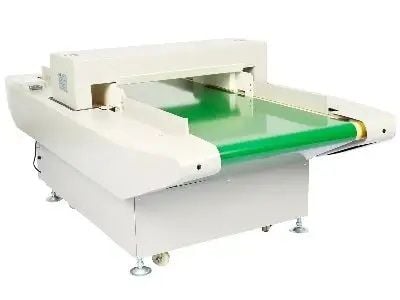
Using metal detectors in food processing helps keep food safe. These machines find metal pieces that can accidentally get into food, like bits of cans or tools. The FDA and HACCP want companies to use metal detectors to prevent these problems. COSO makes great metal detectors that help factories meet these safety rules. By having good metal detectors, factories can make sure their food is safe for everyone to eat. This is important because people trust food companies to keep their products clean and healthy. Using metal detectors helps build that trust
Where to Find Wholesale Metal Detectors for Food Processing
If you are looking for metal detector machines for food processing, you can find them from wholesale suppliers. Wholesalers sell many items at lower prices than retail stores. You can search online for suppliers that focus on food safety equipment. Websites like trade platforms often have listings for different brands, including COSO. Attending trade shows is another great way to see the latest products. There, you can talk to representatives and learn more about their detectors. It is also helpful to ask other food manufacturers where they buy their detectors. They can share their experiences and recommend trustworthy suppliers. Local suppliers might also have what you need, so don’t forget to check nearby stores. Make sure to compare prices and read reviews before making your decision. This way, you can get the best deal and ensure you are buying a reliable product. Besides, bulk buying can save even more money, so consider that option if you need several detectors. Always check if the detectors meet FDA and HACCP standards. This is very important for food safety. When you find a good supplier, you can build a long-term relationship. This means you can get the right equipment whenever you need it, helping your business grow
What Common Issues Do Food Manufacturers Face with Metal Detection
Food manufacturers face several challenges when using metal detectors. One common issue is false positives. This happens when the detector finds something that isn’t actually metal. It can slow down production because workers have to check every item. Another issue is the placement of detectors. If they are not in the right spot, they may miss detecting metal. It’s important to position them where they can catch the most potential metal pieces. Some detectors may also struggle with certain types of food, like wet or sticky items. These foods can hide metal pieces, making detection harder. Regular maintenance is necessary too. If detectors are not kept clean or calibrated, they may not work well. This can lead to undetected metal in food, which is very dangerous. Additionally, training staff is crucial. If workers do not know how to use the metal detectors properly, mistakes can happen. They need to understand how to interpret the signals and know when to act. Lastly, keeping up with new technology can be a challenge. Metal detection technology is always improving, so manufacturers must stay informed about the latest advancements. This can be overwhelming, but companies like COSO provide training and support to help. These challenges can be tough, but with the right tools and knowledge, food manufacturers can keep their products safe and comply with important regulations
How Metal Detectors Enhance Food Product Quality and Safety
Metal detectors are very important tools in the food industry. They help keep our food safe and make sure it is of good quality. When food is made, sometimes tiny pieces of metal can accidentally get into it. This can happen from machines, tools, or even packaging. If someone eats food with metal in it, they could get hurt. This is where metal detectors come in. They scan the food for any metal pieces before it gets to the store or your table. When companies use metal detectors, they can find and remove these pieces quickly. This keeps the food safe to eat
Using a metal detector helps food companies meet safety rules set by the FDA (Food and Drug Administration) and HACCP (Hazard Analysis Critical Control Point). These rules are made to protect people from foodborne illnesses and injuries. When companies like COSO use metal detectors, they show that they care about their customers' health and safety. They can also avoid costly recalls, which happen when a company has to take back food because it might be unsafe. This not only protects customers but also helps companies keep their good reputation. A good reputation means more people will trust the brand and buy their products
In addition to safety, metal detectors also help improve the quality of food. When companies find and remove metal parts, they ensure that the food looks and tastes good. Nobody wants to find something hard or sharp in their meal. By using metal detectors, companies can provide cleaner and safer food products. This builds customer loyalty because people are more likely to buy from brands they trust. With COSO’s metal detection systems, customers can feel confident that they are eating high-quality food that is safe and delicious
How to Ensure Your Metal Detection System Meets FDA Guidelines
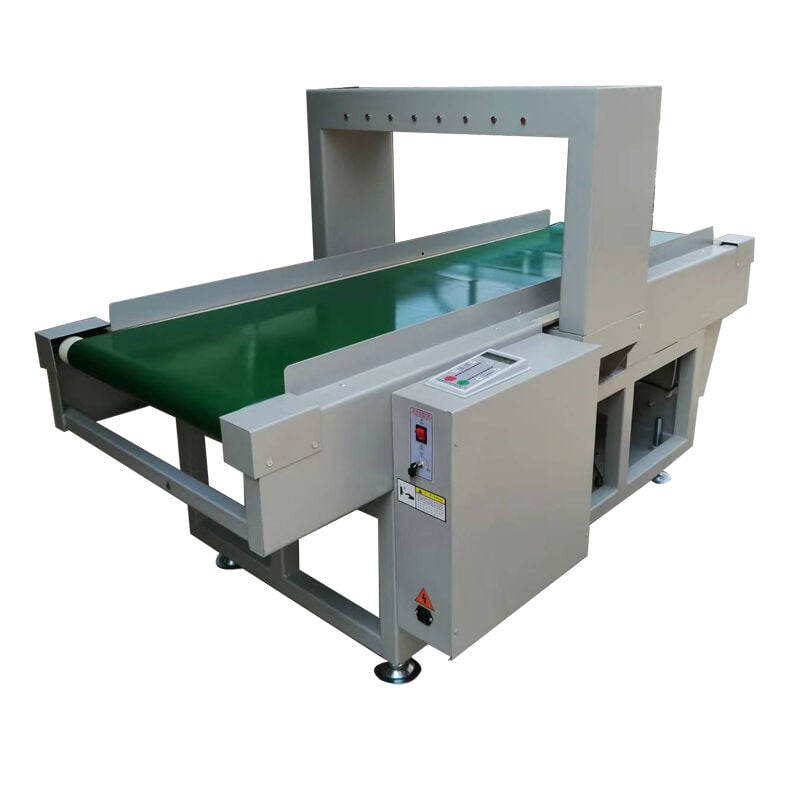
To keep food safe, it is very important that metal detection systems follow the guidelines set by the FDA. These guidelines help ensure that food companies are taking all the necessary steps to protect their customers. The first step is to choose the right metal detector. Not all metal detectors are the same, and some are better for certain types of food than others. For example, COSO offers different models that can detect various kinds of metals, like steel, aluminum, or copper. The right detector will depend on what kind of food you are processing
After selecting the right metal detector, it is important to regularly test and calibrate it. Calibration means adjusting the machine to make sure it works correctly. Companies should set a schedule to test the metal detector using known metal pieces. This helps to ensure that the machine can find metal accurately. If the detector is not working properly, it could miss metal pieces, which would make the food unsafe. Keeping detailed records of these tests is also important. The FDA likes to see documentation that shows a company is following safety rules
Training employees is another key part of meeting FDA guidelines. Workers should know how to use the metal detector correctly. They should also understand the importance of checking for metal in food. If workers are not trained, they might not use the machine properly, which could lead to unsafe food. Companies like COSO often provide training materials or support to help businesses ensure their employees are knowledgeable. By following these steps, food companies can make sure they are meeting FDA requirements and keeping their customers safe
What are the Latest Trends in Food Safety Metal Detection Technology
Metal detection technology is always changing and improving. New trends are making these systems smarter and more effective. One of the latest trends is the use of artificial intelligence (AI) in metal detection. AI helps metal detectors learn and adapt to different types of food and the metal pieces that might be found in them. This means they can become more accurate over time. Companies like COSO are at the forefront of this technology, making it easier to find tiny metal pieces that might have been missed by older machines
Another trend is the use of advanced imaging technology. Some new metal detectors use X-rays or other types of imaging to look for metal in food. This technology can often detect metal pieces that regular detectors might miss. It can also help find other foreign objects, like glass or plastic, which can also be dangerous. This makes food safety even better because it means that more harmful items can be caught before the food reaches the consumer
Finally, there is a trend toward making metal detection systems easier to use and integrate with other equipment. Many companies are looking for ways to streamline the food production process. Newer metal detectors can often connect with other machines, making it simple to collect data and share information. This helps companies monitor the safety of their food better and make quick decisions if something goes wrong. With COSO’s commitment to keeping up with the latest technology, customers can trust that they are getting the best metal detection systems for their food safety needs
Table of Contents
- Where to Find Wholesale Metal Detectors for Food Processing
- What Common Issues Do Food Manufacturers Face with Metal Detection
- How Metal Detectors Enhance Food Product Quality and Safety
- How to Ensure Your Metal Detection System Meets FDA Guidelines
- What are the Latest Trends in Food Safety Metal Detection Technology


