



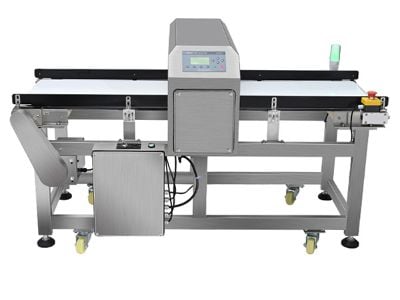
Metal detectors help keep our food safe, especially salty snacks like chips and pretzels. At COSO, we know that these machines are important for checking packaged products. Sometimes, metal detectors can mistakenly reject good products because of tiny bits of salt or the packaging itself. This can be frustrating for companies that want to make sure the snacks get to people without waste. Understanding how metal detector machine work and knowing what common problems can happen helps ensure that we catch harmful metals without tossing out good food.
What You Need to Know About Metal Detectors for Food Safety in Wholesale Markets?
Metal detectors are like safety nets for food in wholesale markets. They catch unwanted metal pieces that might sneak into food products. This is important because no one wants to find metal in their snacks. For example, if a machine breaks down and a piece of metal falls in, the detector can spot it. But it’s not just about finding big pieces of metal. Sometimes, tiny bits can also be dangerous. At COSO, we design Metal detectors for food that are smart enough to find these small pieces. They can tell the difference between metal and other things, like bits of salt, which is common in salty snacks. But, if a machine is not set up right, it might think some salt is metal. This can lead to false rejections, which means good snacks are thrown away. It's important for workers to know how to set the detectors correctly to avoid this. Training is key! They need to understand the machine’s settings and be careful with how they handle the products. If they do this, we can keep our snacks safe without wasting them. Regular checks and maintenance of metal detectors help too. This keeps them working well and helps avoid mistakes.
What Are the Common Issues with Metal Detectors in the Salty Snack Industry?
In the salty snack industry, metal detectors can face some tricky problems. One common issue is something called "product effect." This happens when the salty snacks themselves interfere with the metal detector's ability to work properly. For instance, if a bag of chips is really salty, the detector might think the salt is metal. This can lead to a lot of good snacks being wrongly rejected. Another problem is the packaging. Some packages are made of materials that can confuse the detector. If the detector can’t tell the difference between the package and actual metal, it might cause more rejections. It’s a bit like a game of hide-and-seek, where the snacks are trying to get through but keep getting caught by mistake. At COSO, we think it’s crucial to regularly test and fine-tune the settings of these machines. This helps avoid rejecting good snacks. Companies also need to invest in training for their staff. If workers know what to look for and understand how the machines work, they can help reduce mistakes. It’s all about finding the right balance and keeping both the snacks and customers happy.
How to Optimize Your Packaging Process Using Metal Detectors for Salty Products?
When packaging salty products like chips or pretzels, using metal detectors is very important. Metal detectors help find unwanted metal pieces that might accidentally get into food. These pieces can come from machines, packaging, or even tiny bits from tools used during production. If a metal piece is found, the product can be removed to keep customers safe. However, it is also important to make sure that good products are not wrongly thrown away. This is called a false rejection. To help prevent this, companies like COSO can optimize their packaging process.
First, it’s important to set the metal detector to the right sensitivity level. If the sensitivity is too high, the machine might detect small metal pieces that are not dangerous. This can lead to good products being thrown away for no reason. COSO suggests using test pieces that are similar to the actual products to find the best settings. By doing this, workers can make sure that the Food metal detector only finds real problems.
Next, workers should regularly check and clean the metal detectors. Dust or leftover food on the detector can cause it to work poorly. By keeping the machines clean, COSO helps ensure they work properly. Finally, training the staff is very important. When workers understand how to use the machines correctly, they can help reduce false rejections. COSO offers training programs to help employees learn how to use metal detectors effectively. By following these steps, companies can make sure they find real metal pieces while keeping good products on the shelves.
What Are the Benefits of Investing in High-Quality Metal Detectors for Food Safety?
Investing in high-quality metal detectors is a smart choice for food safety. Companies like COSO provide advanced metal detection technology that helps find metal pieces in food. One of the biggest benefits is that high-quality detectors are better at finding even tiny pieces of metal. This means that food products are safer for customers. When customers feel safe, they are more likely to buy products from a company again.
Another benefit is that high-quality metal detectors can reduce false rejections. As mentioned earlier, false rejections happen when good products are thrown away. This can be costly for companies because they lose money and waste food. With better technology from COSO, companies can set the machines to only find real problems. This helps keep more products on store shelves and reduces unnecessary waste.
High-quality metal detectors can also save time in the packaging process. When machines work well, they can quickly check many products without causing delays. This means that companies can package more products in less time, leading to higher profits. Additionally, investing in good detectors shows customers that the company cares about their safety. This can improve the company’s reputation and attract more customers. In the long run, investing in high-quality metal detectors is not just about safety; it is also about saving money and building trust with customers.
Where Metal Detectors Make the Biggest Impact in Reducing Waste in Food Packaging?
Metal detectors play a crucial role in reducing waste in food packaging. In the food industry, it is essential to keep products safe for customers. When metal pieces are found in food, it can lead to recalls or product disposal, which means a lot of waste. Companies like COSO know that using metal detectors properly can help reduce this waste significantly.
First, metal detectors can catch metal pieces before products are shipped out. This helps ensure that only safe food reaches customers. When customers receive safe products, they are less likely to return them or complain. This means less waste from returned products. Additionally, when food products are safe, companies do not need to spend extra money on recalls. This keeps food out of landfills and helps the environment.
Another way metal detectors help reduce waste is by improving quality control. When a company uses a metal detector, it can find problems in the production line early on. By catching these problems before products are packaged, companies can fix issues right away. This means that fewer defective products are made, which reduces waste. Also, when companies like COSO train staff to use metal detectors effectively, they can make sure that everyone is on the same page. This teamwork leads to better results and less waste. metal detectors are essential tools that help companies keep food safe while also reducing waste in food packaging.
Table of Contents
- What You Need to Know About Metal Detectors for Food Safety in Wholesale Markets?
- What Are the Common Issues with Metal Detectors in the Salty Snack Industry?
- How to Optimize Your Packaging Process Using Metal Detectors for Salty Products?
- What Are the Benefits of Investing in High-Quality Metal Detectors for Food Safety?
- Where Metal Detectors Make the Biggest Impact in Reducing Waste in Food Packaging?


