



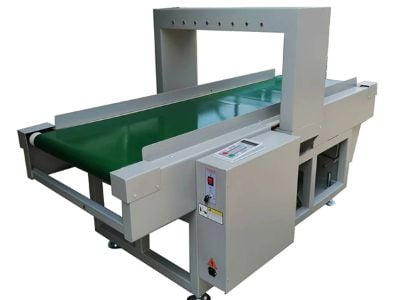
Metal detectors are important tools in the food industry. They help find metal pieces that could be dangerous if someone eats them. To keep these metal detectors working well for a long time, it's essential to take care of them. Regular maintenance is the key to ensuring they function properly. At COSO, we know how important it is to have reliable equipment in food safety. Our goal is to help you understand how to maintain your metal detectors so they last longer. By following a complete maintenance checklist, you can keep your metal detectors in top shape
What You Need to Know
When you own a metal detector, there are several things you should keep in mind. First, it’s important to know what kind of metal detector you have. Different models may have different maintenance needs. For example, some detectors are more sensitive to dust and moisture than others. Regular checks are necessary to ensure your machine is clean and free from any dirt. Dust can get into the parts and cause problems. Second, always read the manual that comes with the detector. It has specific instructions about how to care for it. This can help you avoid making mistakes that could damage the machine. Third, remember to check the batteries or power source. A weak battery can cause the detector to work poorly. Lastly, keep track of how often you use the detector. If you use it often, you may need to conduct maintenance more frequently. If you don’t use it much, a monthly check may be enough. Keeping a log can help you stay organized. By understanding these basic points, you set a strong foundation for keeping your metal detectors working well
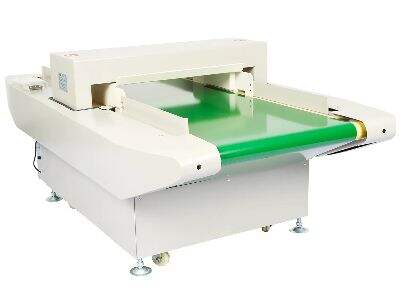
What Are the Common Usage Issues with Metal Detectors in the Food Industry
Metal detectors are important tools in the food industry. They help find metal pieces in food items, which can be dangerous for people. However, there are some common problems that can happen when using these machines. One big issue is not setting them up properly. If the metal detector is not adjusted right, it might miss metal pieces, or it could beep for no reason. This can cause a lot of trouble in factories. Another problem is the type of food being checked. Some foods, like those with a lot of salt or sugar, can confuse the Metal detector. This could lead to false alarms, where the detector says there is metal when there isn’t any. Also, if the food is packed tightly or is not moving smoothly on the conveyor belt, it can make it hard for the detector to work well. Sometimes, dirt or dust can also build up on the machine, which can cause it to malfunction. Workers need to clean the metal detectors regularly to keep them in good shape. If they don’t, the dirt can block signals and lead to missed detections. Lastly, if the machine is not checked often for wear and tear, it can break down. This could stop production and lead to safety risks. By knowing these common issues, businesses can work better and keep their food safe
What Maintenance Practices Can Extend the Life of Your Metal Detector
Taking care of metal detectors is very important for food businesses. Good maintenance helps these machines last longer and work better. First, regular cleaning is key. Workers should clean the metal detector daily to remove any food particles or dust. Using a soft cloth and safe cleaning products can help keep the machine shiny and functional. Next, it is important to check the settings often. Metal detectors have specific settings for different types of food. If the settings are not right, the machine might not work properly. Checking the settings every week can help make sure they are correct. Another good practice is to do a test run. This means running some metal pieces through the machine to see if it catches them. Doing this test regularly helps ensure that the metal detector is working as it should. Additionally, keeping a log of maintenance work is smart. Writing down when the machine was cleaned or tested can help track how well it is working. If there are any issues, it will be easier to find out when they started. Finally, getting professional help for repairs is a good idea
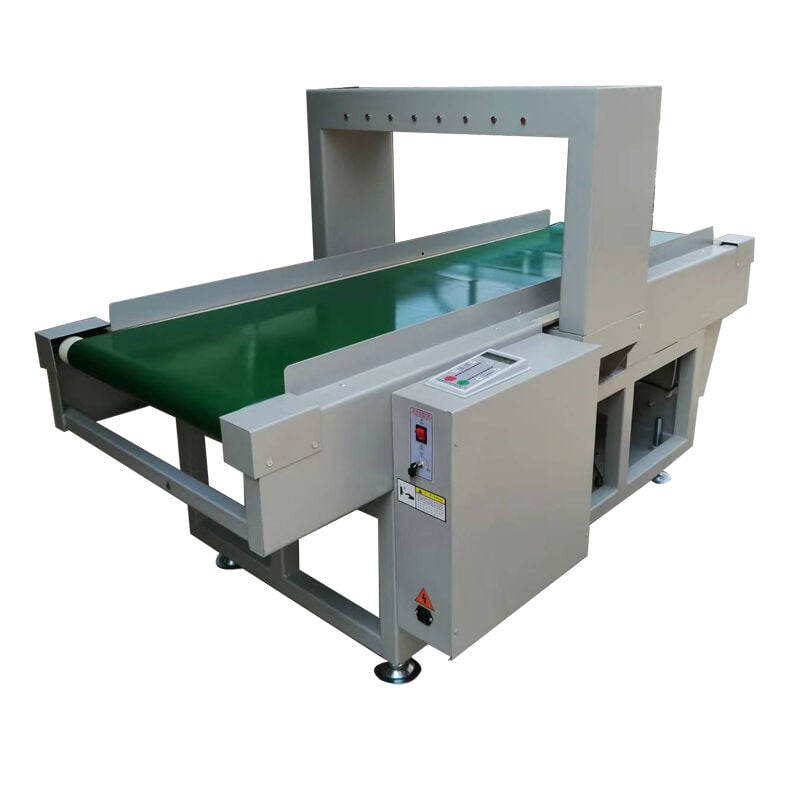
How to Choose the Best Metal Detector for Your Food Business Needs
Choosing the right metal detector for a food business is very important. There are many types of Metal detectors and each one has different features. The first thing to think about is the type of food being produced. Different foods might need different kinds of metal detectors. For example, if a company makes sticky or wet foods, they might need a special detector that works well in those conditions. It is also important to consider the size of the production line. Some detectors fit better in smaller spaces, while others are designed for bigger lines. Knowing the space available can help in making the right choice. Another factor to consider is the type of metals the business needs to find. Some detectors are better at finding small metal pieces, while others can find bigger ones. Businesses should think about the size of metal they want to detect to ensure safety. Price is also a big consideration. It is important to find a detector that fits the budget but still works well. Sometimes spending a little more can mean getting better quality and safety. Lastly, it is good to read reviews and ask other businesses about their experiences. Hearing from others can help find a reliable metal detector. At COSO, we understand these needs and provide options that can help businesses choose the best metal detector for their specific requirements. By taking the time to choose the right detector, food businesses can ensure they keep their products safe and their customers happy


