Electronics
In the electronics manufacturing industries, ensuring product safety, quality, and production precision is essential throughout the manufacturing process. From component production to final assembly, packaging, and logistics, manufacturers must maintain strict quality control standards to prevent contamination, ensure weight accuracy, and protect critical components. Materials such as silicon wafers, electronic-grade chemicals, printed circuit boards (PCBs), and automotive parts are underweight or overweight, which can affect product performance, and lead to costly recalls or production delays.
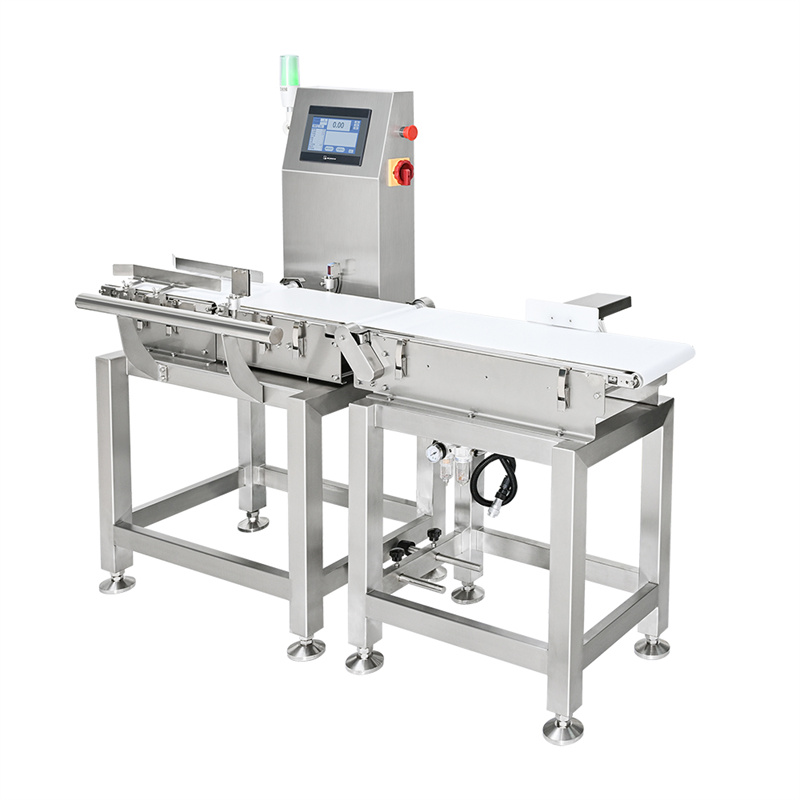
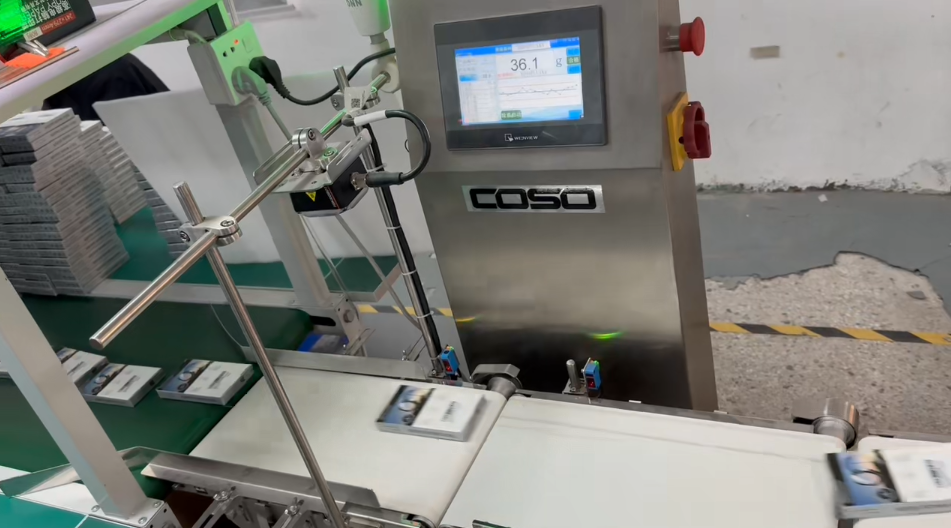
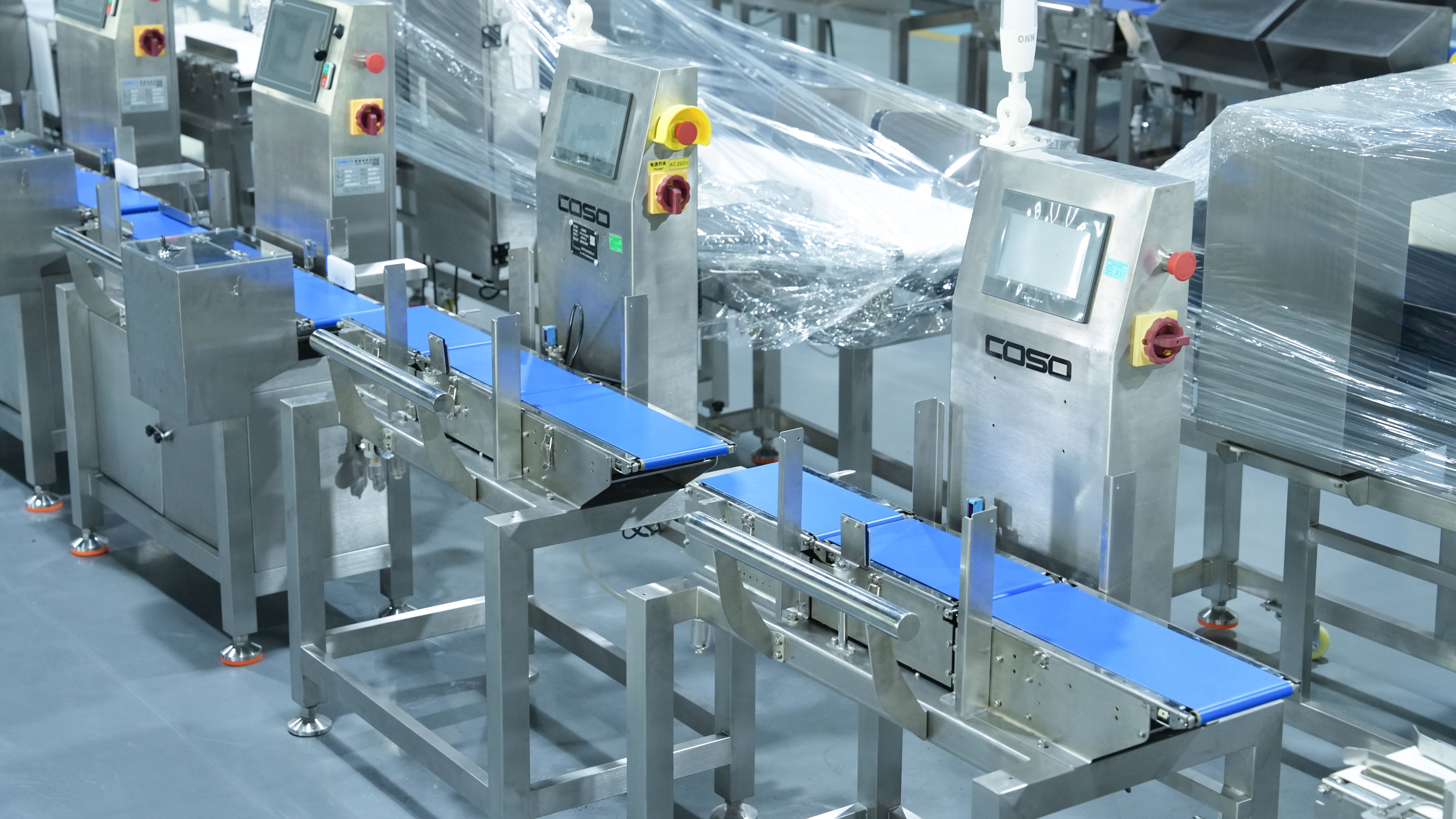
Our advanced weighing systems provide reliable solutions for verifying product weights, and ensuring the integrity of components and finished products. Widely used across electronics and automotive production lines, this system helps manufacturers improve quality control, enhance production efficiency, maintain compliance with industry standards, and support safe, accurate, and efficient manufacturing operations.
1. Component Assembly Verification
Ensures critical parts (e.g., engine pistons, bearings) meet strict weight tolerance, preventing defects caused by material inconsistencies.
Validates the completeness of sub-assemblies (e.g., safety airbag modules) by detecting missing or extra components via precise weight analysis.
2. Packaging Quality Assurance
Verifies final product weight (e.g., lubricants, fluids) to avoid overfilling or underfilling, ensuring compliance with industry standards.
Prevent packaging errors in sensitive components (e.g., electronic control units) before shipment.
3. Logistics & Sorting Optimization
Classifies finished products (e.g., tires, battery packs) based on weight for accurate labeling and shipment.
Integrates with warehouse automation systems to streamline inventory managements.

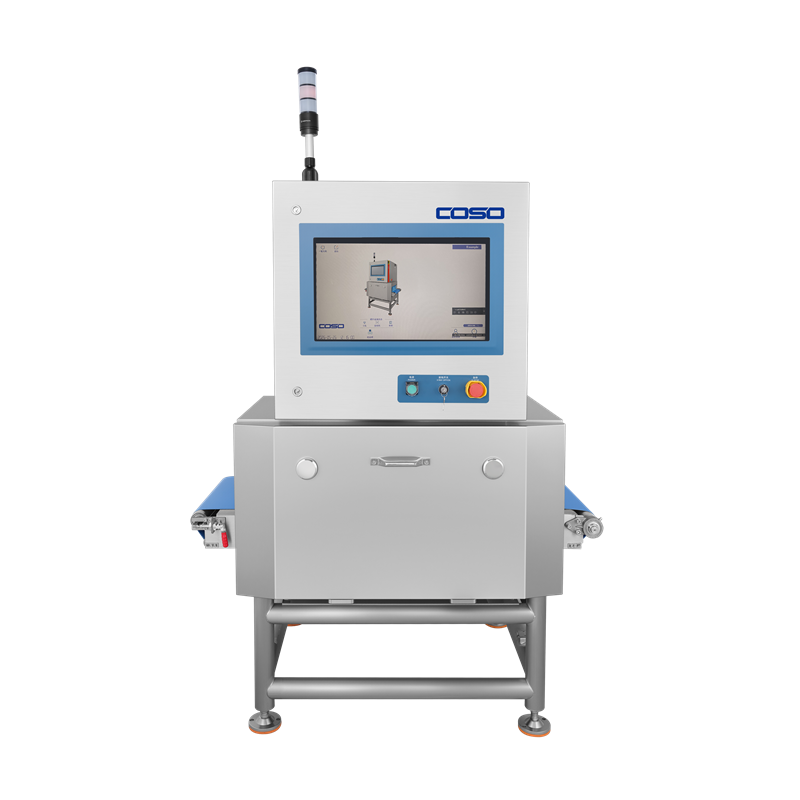
X-ray Inspection for Printed Circuit Boards (PCBs) and Electronic Components
X-ray inspection is essential for detecting contaminants that metal detectors can not detect, especially in densely packed and multi-layered components like PCBs. X-ray systems also detect defects such as cracks, and incomplete solder joints that can compromise the performance of the circuit board. This technology can also inspect for foreign contaminants in electronic-grade chemicals or materials used in high-tech applications, ensuring purity and consistency without damaging the products.
The Benefits of Automated Inspection
Product Safety & Performance
Automated inspection systems guarantee that every component and finished product meets stringent safety and performance standards. By detecting contaminants like metal, plastic, glass, ceramic or stones early in the production process, these systems ensure that the final products, such as mobile phones, and automotive electronics, are free from weight deviations that could compromise consumer satisfaction and product functionality.
Compliance & Brand Confidence
By providing logs for compliance with IPC, RoHS, and other industry standards, automated inspection systems help electronics manufacturers maintain consistent quality and regulatory adherence. This transparency fosters consumer trust and strengthens brand reputation in a highly competitive market.
Efficiency & Cost Savings
Using our weighing systems, the final products are free from weight deviations, combined with early detection of contaminants, reduce waste, minimize costly recalls, and optimize production efficiency. By reducing manual inspection errors and ensuring accurate weights in final products, these systems help manufacturers save costs while ensuring the industry standards of quality, safety, and compliance.
Need a customized solution? Share your product information, accuracy requirements, and environment conditions for a tailored recommedation.