



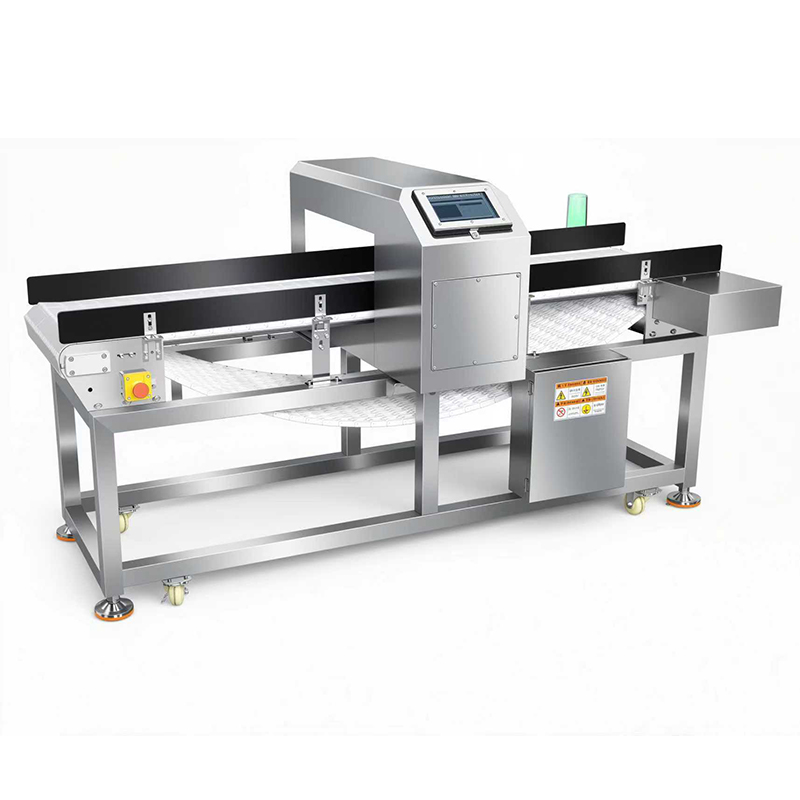
Using a metal detector can be exciting and rewarding. You might find coins, jewelry, or even old artifacts. But to make sure your metal detecting machine works well, you need to check it daily. This is called calibration, and it helps keep the machine accurate. At COSO, we want you to have a great experience while detecting, so knowing these daily calibration steps is important.
How to Troubleshoot Your Metal Detector Calibration
If your metal detector isn't working right, it can be frustrating. First, check the batteries. Dead batteries can make your detector act strange. If the batteries are fresh, check the settings. Sometimes, the sensitivity is too high or too low. Adjust it slowly and see if it makes a difference. If you're still having trouble, inspect the coil for any damage. A broken coil can cause signals to be weak or confusing. You might also want to check the connections.
What Calibration Mistakes to Avoid for Maximum Metal Detecting Accuracy?
When calibrating your types of metal detectors in food industry are some common mistakes to watch out for. One big mistake is not taking enough time. Calibration isn’t something you can rush. If you hurry, you might miss important details. Another mistake is ignoring the ground conditions. Different soils can affect how your metal detector works. For example, wet soil can give false signals. Always check the ground before you start.
Quality
When you own a metal detector, like the ones from COSO, it’s important to take care of it so it works well. One of the things you can do is store your metal detector in the right place. Storing your metal detector correctly can help it stay accurate and ready to find treasures. The best place to keep your metal detector is in a cool, dry area. This means you should avoid leaving it outside or in places where it might get wet, like a garage that isn’t waterproof. If you leave your metal detector in the sun for too long, it can get too hot, which may hurt its parts.
Application
When you want to make sure your metal detector used in food industry is working its best, it’s helpful to have a good calibration guide. A quality metal detecting machine calibration guide can help you understand how to use your COSO detector properly. Look for guides that are easy to read and understand. They should use simple words and explain things step by step. A good guide will show you how to adjust the settings on your machine based on what you are searching for, like coins or gold. It should also give you tips on how to find the best places to search. Make sure the guide includes pictures or diagrams.
Conclusion
Daily calibration can make your metal and pipe detector a lot better. When you adjust your machine every day before you start searching, you help it work better. This means you will find more treasures and have more fun! Calibration helps your metal detector know what to look for. For example, if you are looking for coins, you can set your machine to focus on metal that is similar to coins. This way, it will beep when it finds something that matches. If you forget to calibrate, your detector might miss out on things, and you could leave without finding anything.


