×

Get in touch

Pharmaceutical

Home >  Industry Solutions  >  Pharmaceutical

Back

Pharmaceutical

0

In the pharmaceutical industry, from raw material sourcing to manufacturing and packaging creates multiple opportunities for contamination. Metal contaminants such as ferrous, copper, aluminum can compromise product integrity, threaten patient safety, trigger costly recalls, and damage brand reputation. To address these risks, our advanced inspection and weighing systems help manufacturers maintain strict quality control throughout the production process.

For oral solid dosage forms such as tablets and capsules, even tiny metal particles — including iron shavings, stainless steel fragments, or equipment wear debris — may cause digestive tract injury or interfere with drug release performance. These contaminants typically originate either from upstream raw materials or from equipment friction, wear, and damaged machine components during production and packaging.

图片 1(3d446d8127).png

Contamination Threat

1. Raw materials: Active pharmaceutical ingredients or excipients (e.g., starch, lactose) may carry metallic residues.

2. Production equipment: High-precision machinery (e.g., tablet presses, capsule fillers, polishers, sieving machines) can generate metal fragments due to friction or aging. Without intervention, these contaminants accelerate equipment wear, raise maintenance costs, or even halt production lines, resulting in significant financial losses.

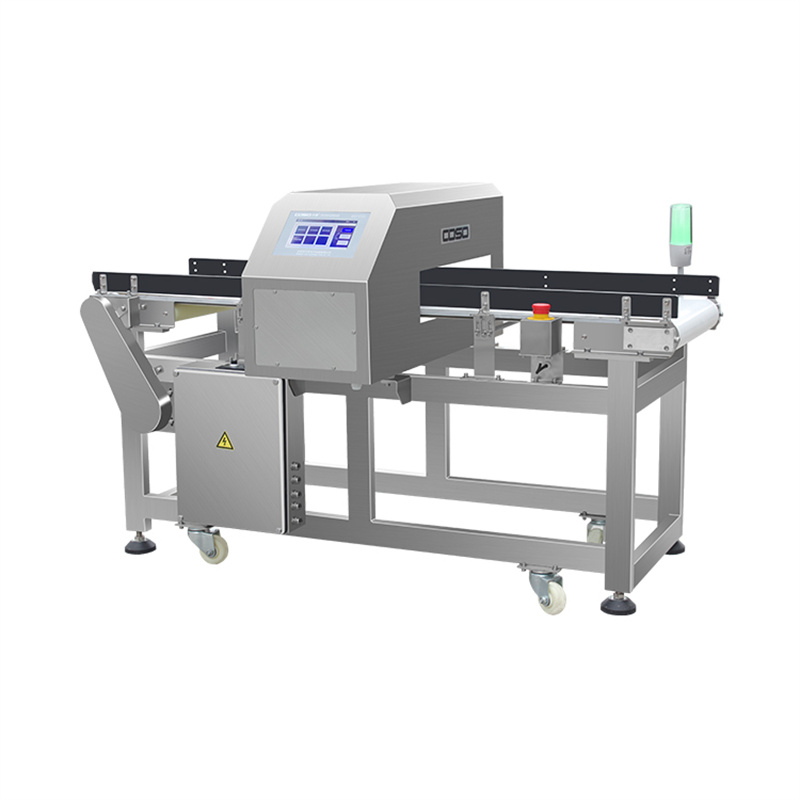
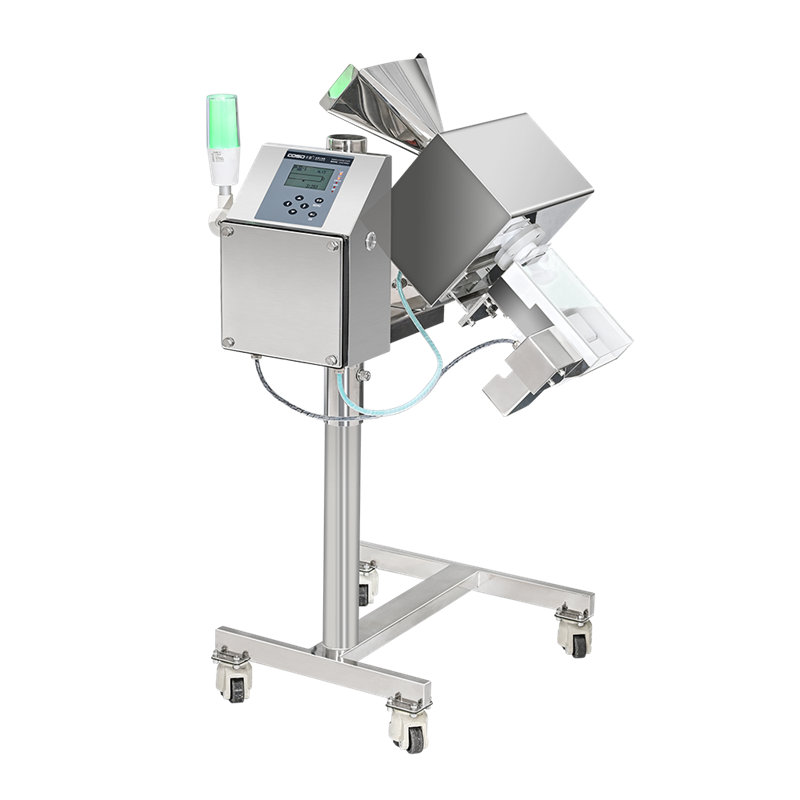
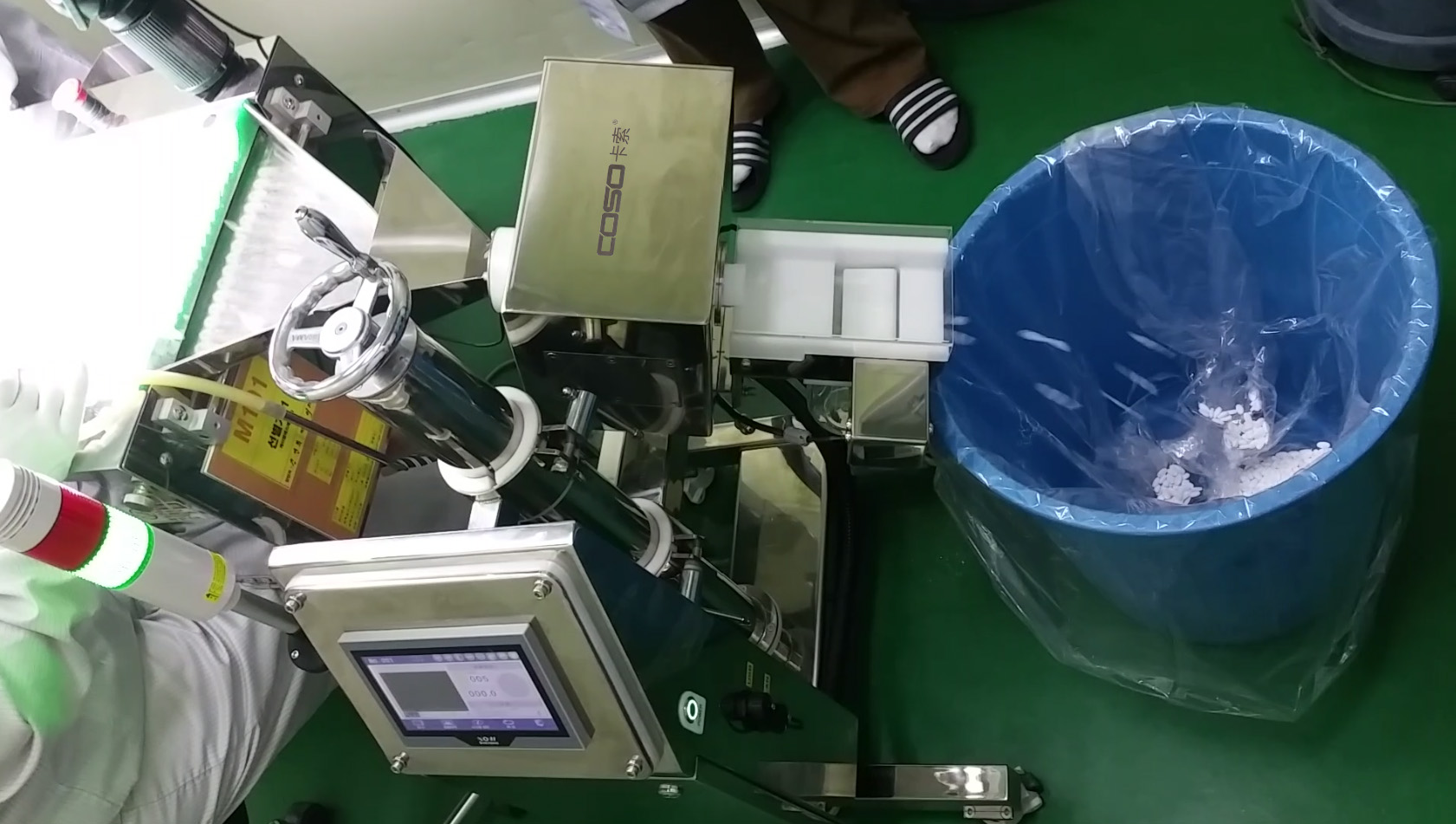
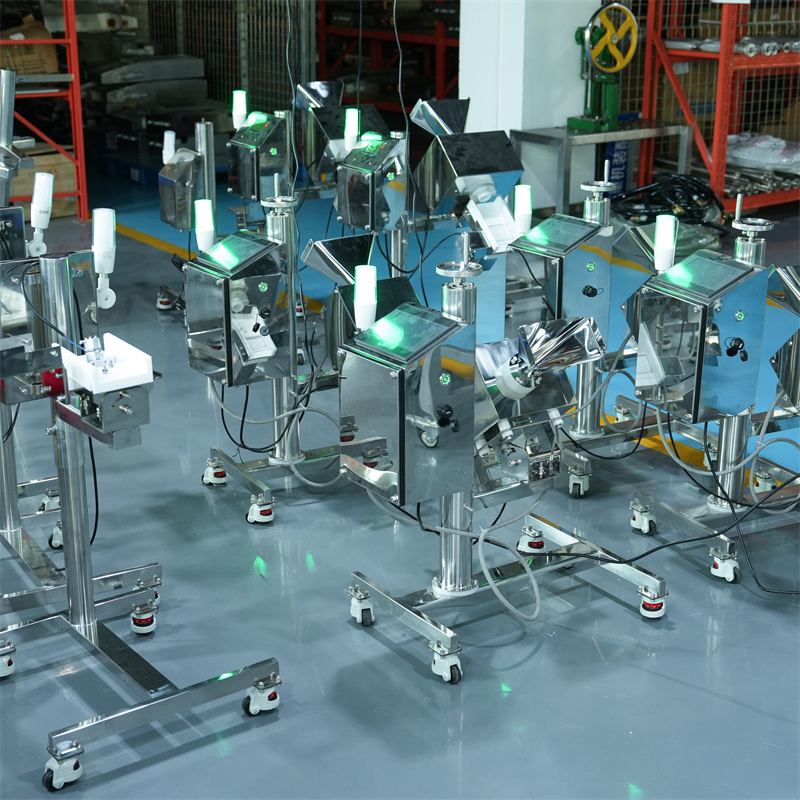
To address this, our free-fall metal detector(metal separator) seamlessly integrates into pharmaceutical production lines. It employs high-sensitivity sensors to accurately identify ferrous, non-ferrous, and stainless-steel impurities. The system automatically rejects contaminated pills in real time, ensuring product consistency.

图片18.jpg

And in the pharmaceutical industry, the fill accuracy of vials critically impacts drug quality and patient safety. Since vial filling typically relies on peristaltic pumps or time-pressure systems, its precision is susceptible to multiple variables, including liquid viscosity changes (e.g., increased viscosity at low temperature), temperature fluctuations, and mechanical wear (e.g., pump tubing degration).

Underfilling may lead to the product being classified as substandard. Conversely, overfilling risks patient overdose.

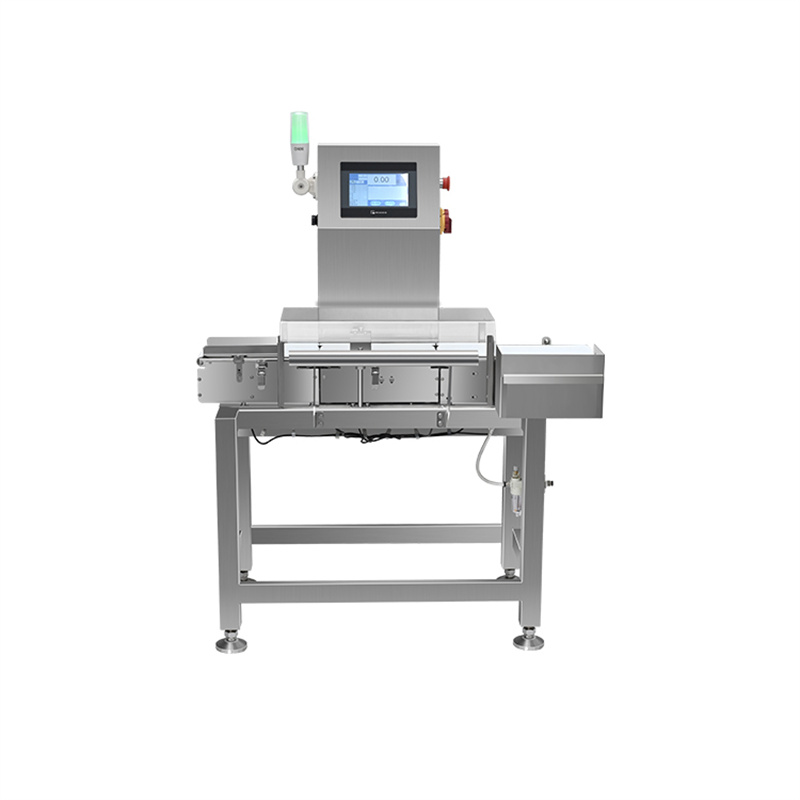
Key Roles of High-Precision Checkweighers in Vial Inspection:

Reject empty/leaky vials: Detect weight differences to ensure liquid presence in every vial.

Identify underfills: Catch low-dose vials caused by partial needle clogging (e.g., due to crystallization or air bubbles).

Compliance & cost efficiency: Provent batch rejections while aligning with regulations.

图片19(5a973c39e7).jpg

And the medical laundry industy handles high-risk textiles such as hospital linens, surgical gowns, dressing towels, and protective clothing, which may contain hazardous metal contaminants, including:

Surgical remnants: Unremoved suture needles, syringe needles, scalpel blades, and orthopedic bone fragments.

Accidental items: Coins, keys, or paperclips left behind by patients or medical staff.

Risks or Undetected Metal Contaminants:

Human Safety Hazards:

1. Laundry workers may suffer needlestick injuries, increasing exposure to bloodborne pathogens (e.g., HIV, HBV).

2. Patient could sustain cuts from blade fragments, leading to infections or legal liabilities for healthcare providers.

Operatianal & Equipment Risks:

1. Mechnical damage: Metal debris lodged in drum bearings, conveyors, or ironing rollers accelerates wear-and-tear or catastrophic breakdowns.

2. Clogged water systems: Fine metal particles obstruct filtration, reducing wash efficiency and increasing downtime.

3. Fire hazards: Metal-on-metal sparks in high-temperature dryers may ignite lint accumulations.

Why Metal Detectors Are Essential:

Advanced detection: Can identify ferrous and non-ferrous metals with high precision.

Automated rejection: Integrated sorting systems remove contaminated textiles before washing cycles, ensuring compliance.

We provide tailored metal detection systems to help medical laundries enhance safety standards, protect personnel, and optimize operatioonal continuity.

图片20(132a4f7b82).jpg

The Benefits of Automated Inspection

1. Enhanced Product Safety and Protect Patient Health

Automated inspection systems ensure that every pharmaceutical product meets safety standards by detecting contaminants and verifying quality. Through detection like ferrous, copper, aluminum, stainless steel detection, this maintains product integrity and protects patient health.

2. Regulatory Compliance & Trust

By generating logs for GMP and WHO guidelines, our systems help pharmaceutical manufacturers ensure consistent compliance with global safety regulations. This transparency builds consumer trust and strengthens long-term brand loyalty.

3. Operational Efficiency & Cost Reduction

Our precision checkweighing systems, combined with early contaminant detection, reduce waste, minimize costly recalls, and enhance production efficiency. By minimizing human error and optimizing production, these systems contribute to cost savings while maintaining industry standards of safety and quality.

Partner with us to ensure product quality, safety, and precision across every stage of production —contact us now.

Prev

None

ALL

None

Next
Recommended Products
email goToTop