



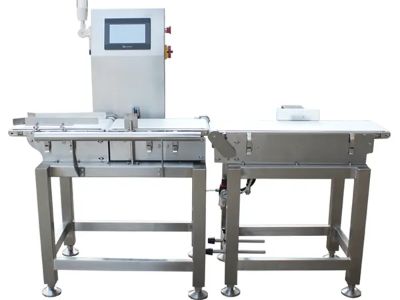
Metall-detektorer för transportband är mycket användbara maskiner inom flera industrier. Maskinerna identifierar främmande metallpartiklar och tar bort dem från produkter, vilket säkerställer att produkterna är säkra för konsumenter. Främmande metaller i produkter kan vara skadliga för konsumenter och kostsamma för företag, och COSO:s högkvalitativa Bältskalor kan vara till hjälp vid identifiering och borttagning av dessa problematiska främmande föremål från din produkt, oavsett om du är en godistillverkare eller en delstillverkare. COSO:s transportband kan vara användbara i högvolymsområden som fabriker och lager.
Vad är metall-detektorer för transportband och hur fungerar de?
Metall-detektorer för transportband är maskiner som identifierar alla metallföremål som finns i föremål som transporteras på ett transportband. Till exempel, om man arbetar i en godisfabrik och en del av en maskin har lossnat och hamnat i godiset medan godiset transporteras längs bandet, och man vill säkerställa att de godisbitar som skickas till butikerna är säkra, kommer maskinen att identifiera metallbiten och ta bort den innan produkten når konsumenten. Sensorer upptäcker all metall och stoppar bandet eller tar bort den felaktiga produkten innan produkten når konsumenten. Vanliga metallföremål som upptäcks är järn, stål och aluminium, men dessa detektorer kan även upptäcka ens minsta metallpartiklar och säkerställer att dina produkter är säkra för konsumenterna. Dessa detektorer fungerar väl inom alla branscher, och COSOs detektorer är av överlägsen kvalitet. Dessa detektorer kan ställas in för att upptäcka en bred rad metaller och anpassas efter dina affärsbehov, men om en godistillverkare ska ställa in dem för godis kommer inställningarna att skilja sig från en tillverkare som bearbetar komponenter. Oavsett detta är huvudsyftet alltid säkerhet.
Var hittar man bra metall-detektorer för transportband till ditt företag?
Om du behöver köpa Vägningsband det finns många alternativ på marknaden, men du måste välja rätt för ditt företag. Det innebär att du noggrant måste överväga vilken typ av detektorer du behöver och söka efter ett varumärke med en historia av pålitlig service. Du hittar många kvalitetsvarumärken för detektorer online på COSOs webbplats. De kan tillhandahålla värdefull information om sina produkter och hjälpa dig att välja den lämpliga. Kundrecensioner är användbara för att bedöma prestanda och hållbarhet hos en metall-detektor, och många finns tillgängliga online. När du pratar med andra tillverkare som använt dessa maskiner kan du också få värdefull rådgivning om vilka varumärken som fungerar bäst inom just din bransch. Besök branschmässor för att själv testa dessa detektorer och kunna tala direkt med representanter. Fråga under mässan representanterna om att utföra demonstrationer och ställ så många frågor som möjligt, så att du förstår det bästa sättet att använda tekniken. Det är användbart att ordna en utbildningskurs i hur man korrekt använder din nya maskin. En kvalificerad och välutbildad medarbetare kan garantera att dessa maskiner fungerar korrekt, vilket leder till säkerhet.
Vilka typer av metaller kan metall-detektorer för transportband upptäcka?
Metall-detektorer för transportband kan upptäcka olika typer av metallföremål och delas in i tre kategorier, vilka de flesta detekterbara metallerna faller inom: järnhalter (ferro), icke-järnhalter (icke-ferro) och rostfritt stål. Alla tre typerna av metall upptäcks med hjälp av specialgjorda sensorer på transportbandet. Den vanligaste formen av metallupptäckt som maskinen är utformad för att identifiera är järnhalter. Dessa inkluderar exempelvis järn och stål. Eftersom järnhalter är magnetiska kan metall-detektorer använda magnetiska sensorer. Många vardagliga föremål som finns i tillverkningsmiljöer, t.ex. skruvar, är ofta magnetiska och kan utgöra potentiella faror om de hittas i livsmedel och drycker. En annan vanlig form av metallupptäckt som maskinerna är utrustade för att identifiera är icke-järnhalter. Dessa metaller, t.ex. aluminium, är inte magnetiska. De specialgjorda sensorer som finns på många moderna maskiner kan upptäcka både magnetiska och icke-magnetiska material och förbättras ständigt. Slutligen är även de metaller som används mest i köksredskap och livsmedelsklassade behållare – såsom rostfritt stål – nu också detekterbara. Även om rostfritt stål inte är magnetiskt har det ändå vissa metalliska egenskaper som dessa högkvalitativa, banbrytande detektorer kan identifiera.
Hur väljer man rätt metall-detektor för transportband för sina behov?
Nyckeln till att köpa en lämplig metall-detektor för transportband är att den uppfyller ditt företags specifika krav. Olika branscher och företag måste ta hänsyn till en rad olika faktorer vid inköp av denna maskin, till exempel vilka typer av produkter som bearbetas, vilka metaller som ska identifieras och avlägsnas, vilken storlek maskinen bör ha i förhållande till transportbandets storlek och hastighet samt hur lätt den är att använda och underhålla.
Olika produkter påverkar maskinens prestanda; till exempel måste en godstillverkare som vill köpa metall-detektorer för sin konfektyr välja sådana som specifikt är godkända för livsmedelsindustrin. För livsmedelsföretag är en särskild konstruktion nödvändig för att garantera att livsmedlen inte kontamineras av vissa material som finns i standardmaskiner. COSO-metall-detektorer tillverkas på ett sätt som är anpassat till olika branscher och kan lätt kalibreras för att identifiera och avlägsna främmande metalliska partiklar och andra farliga föroreningar.
De olika faktorer som nämns ovan är de som COSO-detektorerna tar hänsyn till; det finns olika inställningar för olika metaller (järnhaltiga, icke-järnhaltiga, rostfritt stål), maskinens storlek varierar och man kan välja den storlek som bäst passar sin transportbandkonfiguration och produktionsbehov. Transportbandet kan arbeta vid extremt höga hastigheter, och därför har metall-detektorn även en mycket snabb upptäcktsfrekvens som säkerställer att ingenting undgår upptäckt.
Vilka nya saker förändrar framtiden för metall-detektorer för transportband?
Metall-detektorer för transportband kommer att vara ett viktigt verktyg för industrin även långt in i framtiden. Det finns nya, specialutvecklade innovationer som kommer att göra dessa metall-detektorer ännu bättre än de är idag. Avancerade sensorer som är utformade för att upptäcka metall med extrem precision kommer att användas. Dessa kan exakt skilja mellan de avsedda metallerna och främmande material, vilket gör dem mer känslomässiga för oönskade främmande ämnen såsom plast eller glas, vilka många äldre detektorer skulle missläsa och felaktigt identifiera som metall. Användningen av AI i Vägningskonveyor är en annan växande innovation som kommer att göra dessa detektorer mer exakta. Om maskinen kan identifiera en specifik typ av metall gör AI det möjligt för den att justera sin känslighet för att upptäcka ännu mer metall. Detta kommer att minska risken för felaktiga alarm och öka maskinens effektivitet. Sättet att integrera metall-detektorer i produktionssystemet kommer också att fortsätta utvecklas och förbättras, men huvudfokus ligger på att förbättra den redan höga säkerhetsstandarden genom att kontinuerligt införa nya och innovativa funktioner.
Innehållsförteckning
- Vad är metall-detektorer för transportband och hur fungerar de?
- Var hittar man bra metall-detektorer för transportband till ditt företag?
- Vilka typer av metaller kan metall-detektorer för transportband upptäcka?
- Hur väljer man rätt metall-detektor för transportband för sina behov?
- Vilka nya saker förändrar framtiden för metall-detektorer för transportband?


