

Quality Assurance in the Plastic, Rubber & Recycling Industry: Ensuring Safety and Quality
In the plastic, rubber & recycling Industry, safeguarding the safety and quality of products is critical. The complex process, from raw material sourcing to manufacturing, presents multiple ways for contamination. Plastic, rubber & recycling must be meticulously handled to prevent foreign contaminants such as metal, plastic, and glass. These contaminants not only endanger consumer health but can also result in costly recalls, regulatory penalties, and irreversible brand damage. From detecting metal contaminants, foreign objects and verifying product completeness, protecting product purity, ensuring precise standard weight, our machine helps you deliver high-quality products to the market.
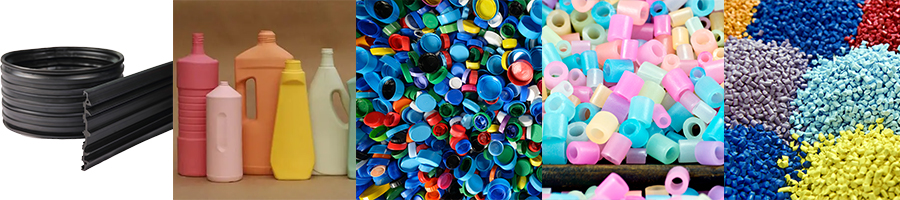
The Invisible Threat: Challenges in Plastic, Rubber & Recycling Contamination Control
Unpredictable Sources of Contamination
In the plastic, rubber & recycling industries, contamination risks can arise from various unpredictable sources. Contaminants such as metal fragments, rubber residues, or plastic particles can be introduced during manufacturing, recycling, and processing stages. Materials like recycled plastics, rubber compounds, or raw rubber sheets are particularly susceptible to contamination from foreign objects such as metal, debris, and broken machine parts. These contaminants can compromise product quality, safety, and performance, leading to defects and potentially hazardous end products.
Mechanical and Human Risks
Contamination in plastic, rubber, and recycling processes often results from mechanical failures and human errors. Malfunctions in equipment such as shredders, extruders, and rubber mixers can introduce harmful particles into the product. Additionally, human errors—such as mishandling materials, improper storage, or accidental drops—can increase the likelihood of contaminants like metal fragments, or even discarded small tool parts making their way into the final product. These risks require careful attention to both the mechanical integrity of equipment and the actions of personnel involved in the process.
Detection Challenges in Raw Materials
The raw materials used in plastic, rubber & recycling processes present specific challenges when it comes to contamination detection. For example, recycled plastic often contains a mix of different polymers, which can obscure the identification of foreign particles such as metal, glass, or other contaminants. Rubber materials, which are typically thick and flexible, may also hide foreign bodies like mall metal fragments.
Industry Standards & Regulatory Compliance
The plastic, rubber & recycling industries are governed by strict regulations to ensure product safety, environmental protection, and adherence to quality standards. Regulations such as ISO 9001, and RoHS are designed to regulate the production, recycling, and use of materials to prevent contamination and ensure compliance with environmental and safety guidelines. Additionally, FDA regulations apply in cases where plastic and rubber products come into contact with food or medical products, ensuring that materials do not introduce harmful contaminants.
In the recycling sector, compliance with Extended Producer Responsibility (EPR) and Waste Electrical and Electronic Equipment (WEEE) regulations ensures proper handling and recycling of materials. Recycling facilities must adhere to standards that minimize contamination and maximize the quality of recovered materials. Our inspection systems are designed to meet these rigorous regulatory requirements, offering traceability, audit logs, and digital compliance reporting. These technologies ensure full transparency in material handling and processing, minimizing contamination risks and helping manufacturers stay compliant with industry standards. This approach not only reduces operational risks but also ensures the delivery of high-quality, safe, and environmentally responsible products.
Advanced Inspection Technologies for Plastic, Rubber & Recycling
Manual inspection is difficult to meet the stringent safety, quality, and regulatory requirements of the plastic, rubber & recycling industry. To protect consumer health and preserve brand image, our metal detection, X-ray inspection, and weight inspection technologies provide a comprehensive solution for ensuring product safety, quality, and compliance. These technologies can be integrated seamlessly into production lines or deployed individually, depending on the different types of products and the contamination risks involved.
Choosing the Optimal Equipment for Plastic, Rubber & Recycling Needs
Metal Detection
In the plastic, rubber & recycling industry, metal contamination is a significant concern. Our advanced metal detectors and metal separators are capable of identifying ferrous, non-ferrous, and stainless steel contaminants—such as machine fragments or worn parts from others—introduced during raw material handling, processing. These systems ensure that harmful contaminants are removed during production, preserving product quality and preventing damage to processing equipment.
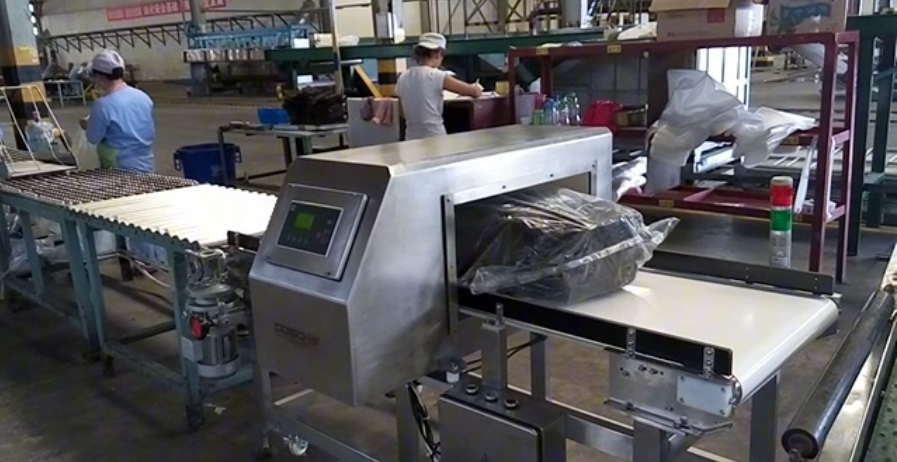
Metal contamination detection in large rubber
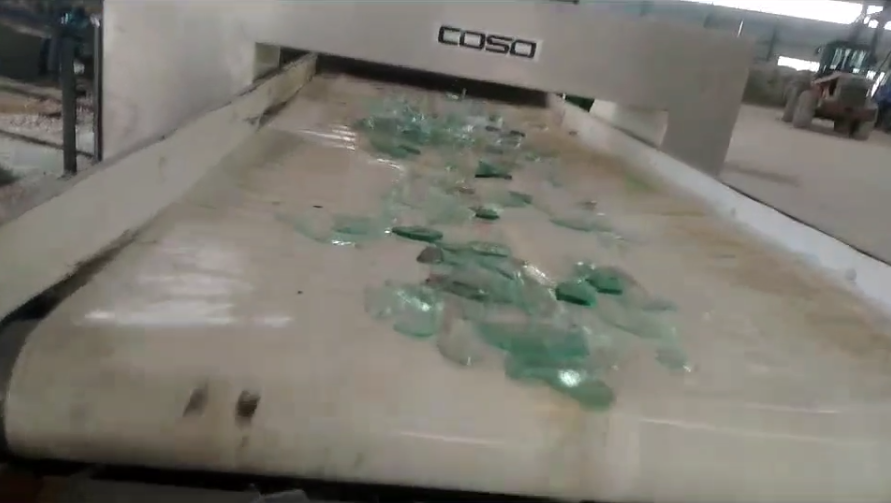
Metal contamination detection in glass cullet
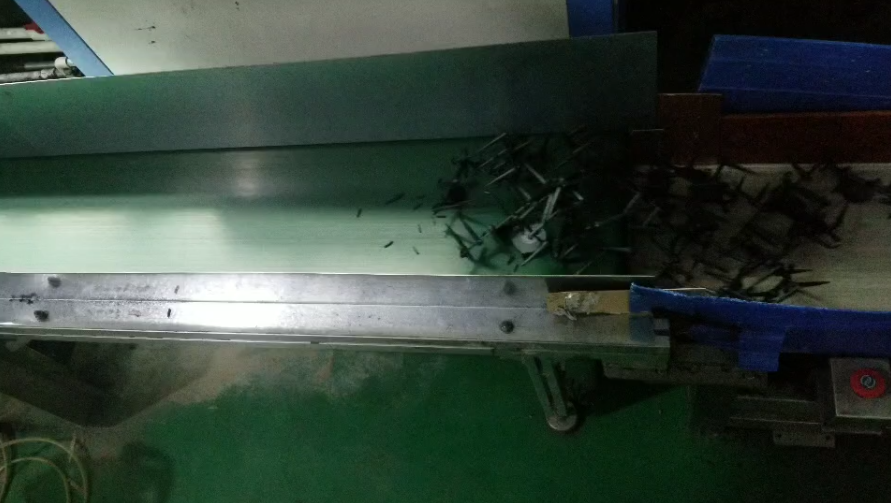
Metal contamination detection in crushed material
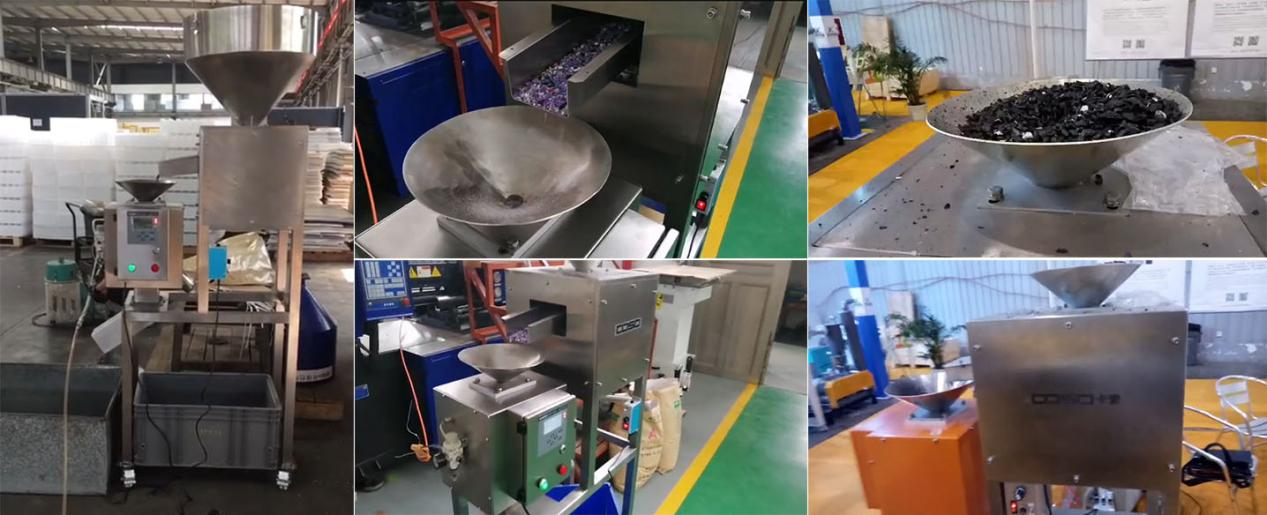
Metal contamination detection in crushed material
X-ray Inspection
X-ray inspection technology is essential in the plastic, rubber & recycling industries for detecting non-metallic contaminants like glass, ceramic, rubber, or stones, which metal detectors can not identify. It helps ensure that raw materials and finished products, such as recycled plastics and rubber compounds, are free from foreign objects. This technology is particularly valuable for inspecting non-transparent or multi-layer packaging materials, ensuring product integrity and compliance with safety standards. By using X-ray inspection, manufacturers can improve product quality, minimize contamination risks, and maintain high safety standards.
Checkweighing
Checkweighing system is vital at the final production stages in the plastic, rubber & recycling industries to ensure that products and packaging meet precise weight specifications. Whether dealing with recycled plastic materials, rubber products, or packaged goods, our precision checkweighers verify that each item or package meet the required weight range. This helps prevent issues like underweight or overweight products, reduces waste, and ensures consistency in the packaging process, while maintaining compliance with industry regulations and quality standards.
Cases Across the Plastic, Rubber & Recycling Supply Chain
Our inspection systems are implemented at various stages of the plastic, rubber, and recycling supply chain—starting from raw material inspection (such as recycled plastics, rubber compounds) to the final product packaging. With deep expertise in addressing the unique challenges of this industry, including contamination risks from metal contaminants, non-metallic particles and maintaining material integrity, our systems ensure reliable results. Whether it's detecting foreign contaminants in raw materials, ensuring the quality and consistency of rubber or plastic products, or verifying the weight and integrity of packaged recycled goods, we help manufacturers meet industry standards, reduce contamination risks, and improve operational efficiency. Explore our case studies to see how we've supported manufacturers in optimizing processes and enhancing product quality.
The Benefits of Automated Plastic, Rubber & Recycling Inspection
Improved Product Consistency & Quality Control
Automated inspection systems ensure consistent quality by monitoring each stage of production in real-time. This is particularly important in industries like plastic and rubber manufacturing, where raw material variations can affect product quality. These systems minimize human error and provide a high level of precision, ensuring that every product meets strict quality standards, batch after batch.
Reduced Labor Costs & Human Error
With automated inspection, manufacturers can reduce their reliance on manual inspections, lowering labor costs and minimizing the risk of human error. Workers can focus on equipment maintenance and process optimization, rather than manually checking each item, improving both productivity and efficiency on the production line.
Enhanced Environmental Sustainability
In the recycling industry, automated inspection systems improve the separation of contaminants and enhance the efficiency of material recovery. By detecting and removing metal contaminants from recycled plastic or rubber, these help optimize resource usage, reduce waste, and promote the circular economy. This not only benefits the environment but also boosts compliance with sustainability regulations.
Optimized Production Line Management
By integrating automated inspection systems with logs and real-time data analysis, manufacturers gain better control and visibility over their production line. This enables faster decision-making, improves traceability, and enhances the production line efficiency, helping to quickly identify and address any production bottlenecks or quality issues.