

Quality Assurance in the Mining & Wood Processing Industry: Ensuring Safety and Quality
In the mining and wood processing industries, ensuring the safety, quality, and consistency of raw materials and final products is essential. The mining process, from extraction to processing, and the wood processing stage, from timber sourcing to finished wood products, are both vulnerable to mixed into contaminants, equipment malfunctions, and inconsistencies that can affect the quality of the final product. Mining materials such as ores, coal and cement, as well as wood products like timber, and engineered wood, must be carefully inspected to avoid contamination from foreign objects such as metal, plastic, ceramic and stone, and other impurities. Our advanced inspection and weighing systems help safeguard product quality and maintain operational efficiency by detecting foreign objects, verifying product consistency, and ensuring accurate weight measurements. From raw material extraction to final product, our solutions support the mining and wood processing industries in maintaining industry standards of safety, quality, and compliance.
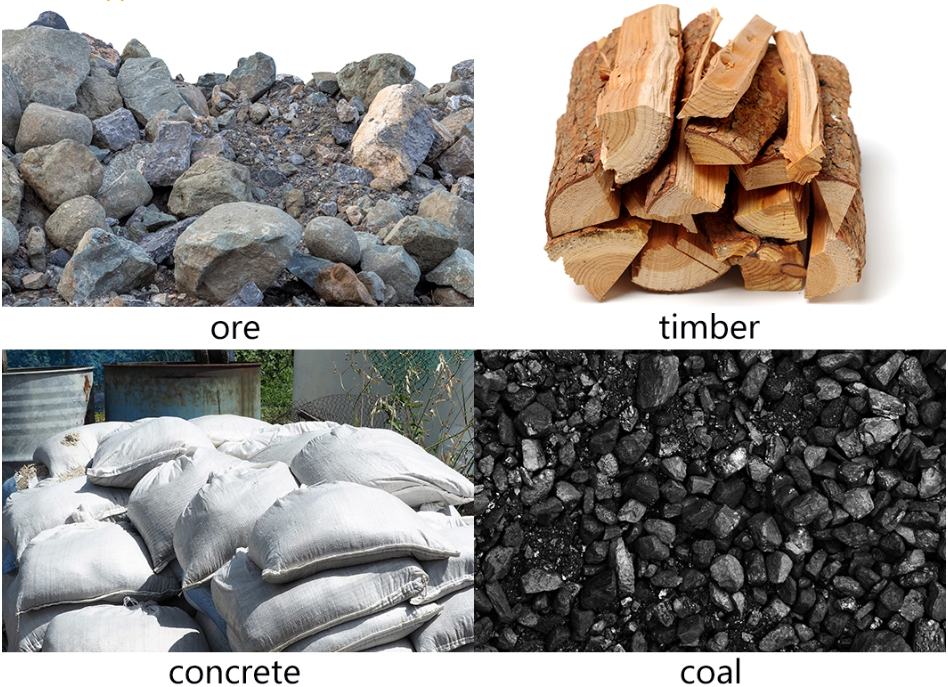
The Invisible Threat: Challenges in Mining & Wood Processing Contamination Control
Unpredictable Sources of Contamination
Both mining & wood processing industries face various unpredictable contamination risks. In mining, raw materials such as ores, coal, or concrete are susceptible to contamination from machinery wear, plastic and environmental impurities. Similarly, in wood processing, foreign objects like metal fragments, plastic, or debris can enter the materials during cutting, grinding, or final processes. These contaminants can degrade the quality of raw materials or damage machinery, increasing operational risks and costs.
Mechanical and Human Risks
Contamination can also arise from equipment malfunctions or human error. In mining, worn-out machinery or broken parts may introduce foreign objects into the raw materials being processed. In wood processing, workers may inadvertently drop worn parts, packaging materials, or other items that can compromise the final product's integrity. Addressing mechanical and human risks is key to maintaining consistent quality and minimizing contamination.
Detection Challenges in Mining & Wood Products
Detecting foreign contaminants in raw mining materials such as ores, coal, and metals presents several challenges due to the density and size of these materials. Large chunks of ore or coal may hide small contaminants, making detection difficult. Similarly, in wood processing, the varying densities, moisture levels, and textures of timber and finished wood products create challenges for traditional inspection systems. The presence of chips and other debris can also complicate detection, requiring specialized equipment designed to detect contaminants in bulk or layered materials.
Industry Standards & Regulatory Compliance
The mining & wood processing industries are subject to various environmental, safety, and quality regulations. Standards such as ISO 9001 for quality management, ISO 14001 for environmental management, and industry-specific regulations for mining safety and wood product certification (e.g., Forest Stewardship Council, FSC) govern these industries. Our inspection systems are designed to meet these standards, providing traceability, transparency, and compliance with global regulations. By helping you maintain the integrity of your raw materials and finished products, our systems reduce contamination risks and ensure that every product meets the industry safety and quality standards.
Advanced Inspection Technologies for Mining & Wood Processing: Metal Detection
Manual inspection methods are often insufficient for ensuring the high quality and safety standards required in mining and wood processing. Metal detection provide a solution for contamination detection, product integrity verification, and ensuring compliance with weight specifications. These technologies can be integrated at key points along the production chain to maximize safety, consistency, and efficiency.
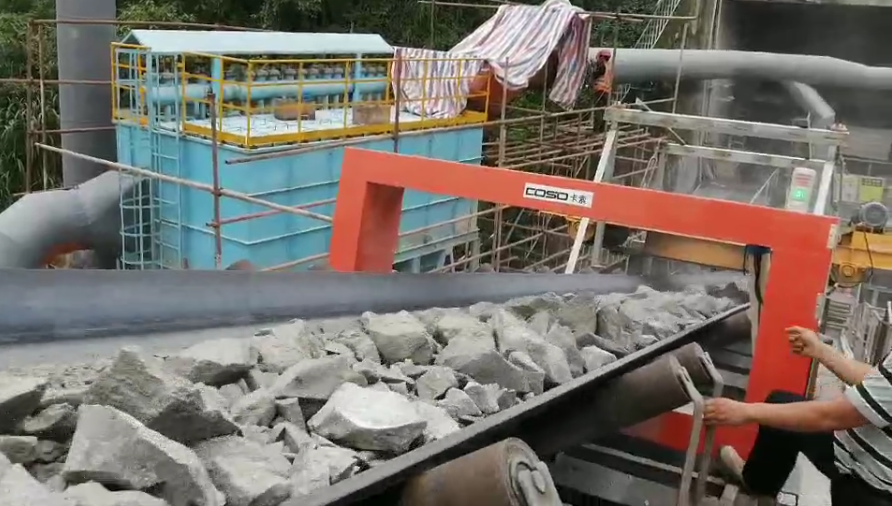
Metal contamination detection in ore
Choosing the Optimal Equipment for Mining & Wood Processing Needs
Metal Detection
In both the mining and wood processing industries, metal contamination is a critical concern. Our advanced metal detectors are capable of identifying ferrous, non-ferrous, and stainless steel contaminants in raw materials like ores, coal, and concrete. Whether in mining operations or wood processing stages (such as cutting and grinding), metal contaminants can damage machinery and compromise product quality. Our systems help detect and remove harmful metals before they can affect the production line or final product.
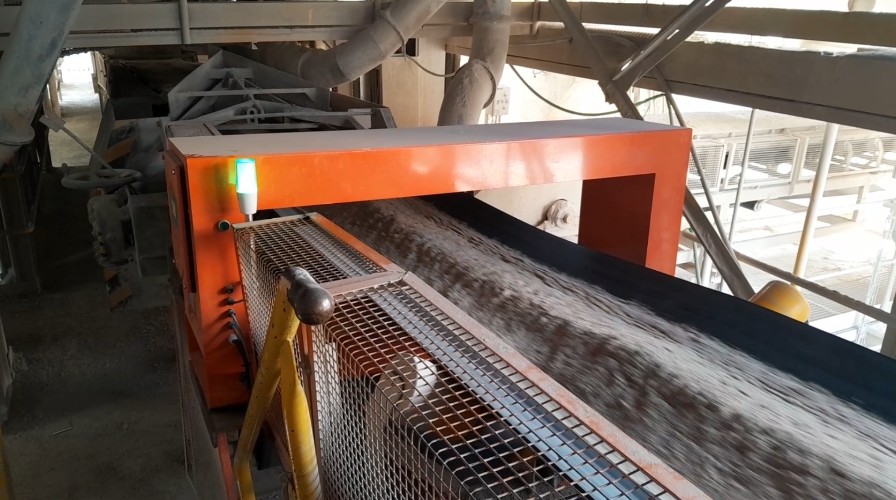
Metal contamination detection in manufactured sand
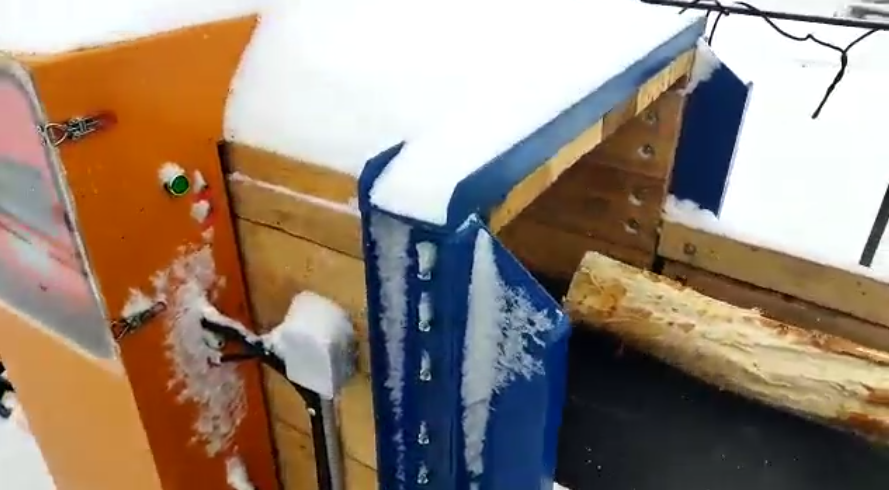
Metal contamination detection in wood
Cases Across the Mining & Wood Processing Supply Chain
Our inspection systems have been successfully deployed in various stages of the mining and wood processing supply chains. In mining, we have addressed the challenges of contaminant detection in ores, coal, and concrete. In wood processing, we've helped manufacturers maintain the quality of timber, paper, and engineered wood products. From detecting metal contaminants in raw materials to ensuring the integrity of finished products like timber or concrete, our systems provide reliable and consistent results. Explore our case studies to see how we've helped mining and wood processing companies optimize their operations, maintain safety standards, and enhance product quality.
The Benefits of Automated Mining & Wood Processing Inspection
Product Safety & Operational Integrity
Automated inspection systems ensure that all raw materials and finished products in the mining & wood processing industries are free from contaminants. By detecting metal, plastic, glass, and other foreign objects, our systems help prevent costly recalls, reduce equipment wear, and ensure that the final product meets safety standards. This improves product safety, reduces risks, and boosts consumer confidence.
Compliance & Transparency
By providing logs for compliance with ISO, environmental standards, and industry-specific regulations, our inspection systems help manufacturers maintain traceability and regulatory adherence. This transparency fosters consumer trust and strengthens brand reputation in an industry where safety and quality are critical.