

Quality Assurance in the Meat Industry: No Compromise on Beef, Lamb, and Pork Safety
As a producer or retailer of beef, lamb and pork, partnering with a reliable solutions provider is crucial to maintaining the standards of food safety. Inadequate product inspection during the complex processing of livestock can lead to the presence of foreign bodies, resulting in costly recalls and potential damage to your brand's reputation. Our advanced inspection and weighing solutions are designed to safeguard the quality of your meat products, enhancing consumer trust. From detecting metal fragments and bones to verifying product completeness and ensuring precise mass measurements, our machine helps you deliver high-quality beef, lamb, and pork products to your customers.
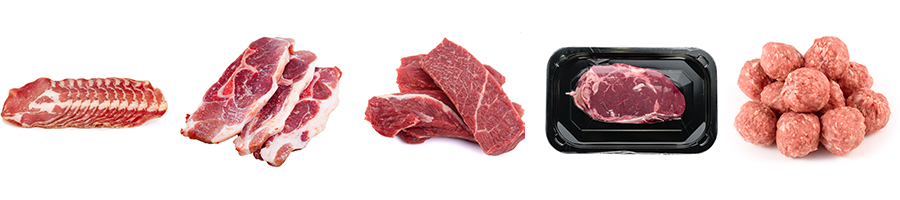
The Invisible Threat: Multi-Dimensional Challenges in Meat Contamination Control
Unpredictable Sources of Contamination: Metal contaminants enter the meat production line through diverse paths, such as broken needles in pork and beef, hooks or wires in produce process.
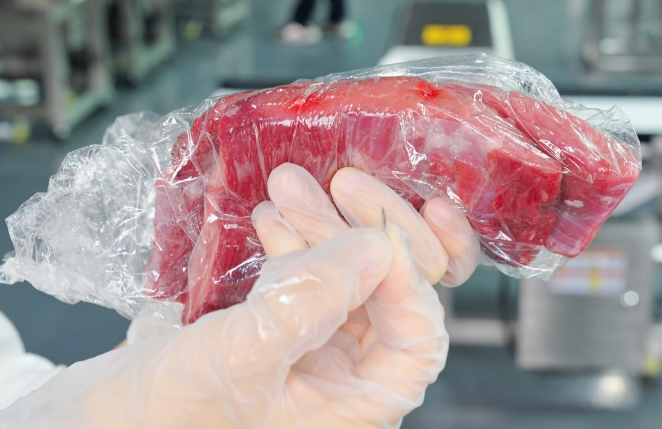
A broken needle in the beef
Mechanical and Human Risks: Contaminants may stem from accidental drops of workers' personal items (buttons, coins) or mechanical wear like micro-shavings from high-speed mixers and bolts left behind after maintenance
Detection Hurdles in High-Moisture Environments: Fresh beef, lamb, and pork create high "product effect" due to moisture and salt, which can trigger false rejects in standard systems.
Sanitary Costs & Bacterial Control: Meeting global standards (FDA, GMP, BRC) requires "zero-dead-corner" designs. Machinery must endure rigorous high-pressure washdowns to prevent bacterial growth while minimizing labor time for cleaning.
Industry Standards & Regulatory Compliance
In the global meat marketplace, compliance is the non-negotiable bridge between production and distribution. Staying ahead of evolving safety regulations is critical to avoiding costly recalls and protecting consumer health. Modern meat processing demands a systematic approach to risk management defined by international benchmarks. From the stringent FDA and GMP requirements to the rigorous audit schemes of the GFSI (including BRCGS, IFS, and FSSC 22000), every processing line for beef, lamb, and pork must comply with these standards. Our equipment ensures your facility remains audit-ready and features sanitary, easy-to-clean designs to prevent bacterial growth.
Advanced Inspection Technologies: Metal Detection, Weight Inspection, and X-ray Inspection
In automated meat manufacturing, manual inspection can not guarantee the rigorous safety standards required today. Metal detection, weight inspection, and X-ray inspection form a comprehensive solution for the production line. While these technologies can be integrated for total protection, they are also modular solutions that can be deployed individually based on your specific product type, budget, and risk profile. This flexible approach uses digital precision to ensure every unit meets the standard for safety and compliance while optimizing total output.
Choosing the Optimal Equipment for Your Meat Needs
Metal Detection
Essential for identifying hidden ferrous, non-ferrous, and stainless steel contaminants, such as broken needles in pork or loose screws in meat packages.
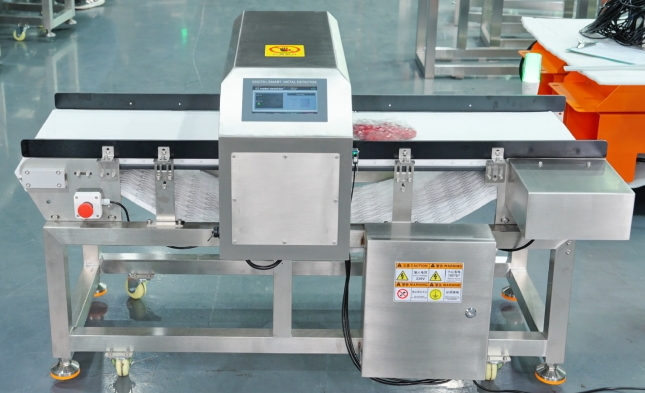
Metal contamination detection in beef
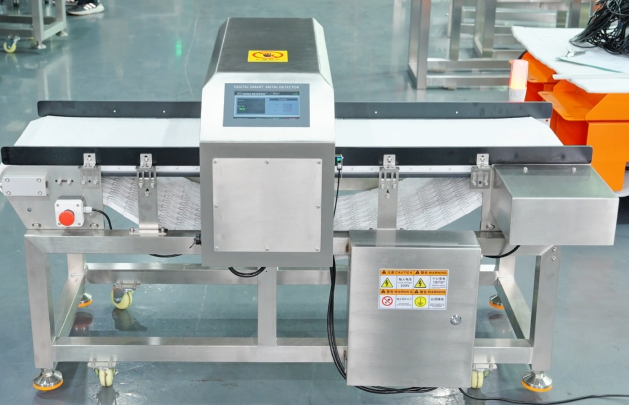
A broken needle in beef
X-Ray Inspection
Crucial for detecting complex defects beyond metal, such as bone fragments in meat. It can also detect plastic, glass, stone. This technology ensures the structural integrity of your beef or lamb products, even through foil packaging.
Checkweighing
Whether you are managing a box of beef rolls, a bag of lamb, or boxed pork slices, precise weighing ensures compliance with standards and optimizes production efficiency.
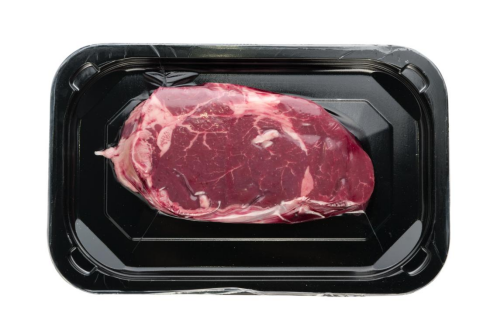
Weight inspection in the bagged beef
Cases Across the Meat Supply Chain
Theoretical safety is only the beginning, and field-proven reliability is what protects your meat. Our inspection systems are deployed across the most diverse and demanding production environments—from fresh meat, frozen meat, packaged meat or meat stuffing. We have a rich experience of turning complex production risks into documented success cases in meat production lines.
Whether it involves identifying internal broken needles in meat, detecting invisible metallic contaminants, or eliminating weight deviations in high-speed packaging, our machine consistently delivers results. Explore our collection of case studies to see how we've helped meat industries achieve safety standards. Discover how we tailor our metal detectors, X-ray inspection systems, and Checkweighers to overcome challenges of your meat processing line.
The Benefits of Automated Meat Inspection
Meat Safety & Consumer Health
Automated meat inspection systems guarantee product safety by ensuring compliance with health and safety standards, thereby protecting consumer rights and health. Through real-time detection of physical hazards such as metal, glass, and stone using advanced multi-frequency detection and density imaging, these systems eliminate the risk of injury or accidental ingestion. This not only helps avoid complaints and preserve brand reputation but also ensures that every meat product reaching the market is fundamentally safe for consumers.
Compliance & Brand Loyalty
Automated systems generate logs for standards like HACCP and GFSI, helping meat manufacturers build long-term brand loyalty.
Efficiency & Cost Reduction
Precision checkweighing minimizes waste of expensive raw meat materials during packaging, while early detection ensure meat processing safety and reduces potential recall expenses.