

Quality Assurance in the Chemicals Industry: Ensuring Safety and Quality
In the chemicals industry, ensuring the safety and quality of products is critical. The production process, from sourcing raw materials to formulation, mixing, packaging, involves numerous stages where contamination and inconsistencies can arise. Chemical products—whether raw chemicals, additives, or others—require careful handling to prevent contamination by foreign objects such as metal, plastic, glass. These contaminants can compromise product quality, impact chemical reactions, and pose serious health or environmental risks. Our advanced inspection and weighing systems are designed to protect the quality and safety of your chemical products throughout the production process, from raw material input to final delivery. By ensuring precise weight measurements, detecting foreign objects, and verifying product consistency, our technology helps you maintain the standards of safety, efficiency, and regulatory compliance.
The Invisible Threat: Challenges in Chemical Contamination Control
Unpredictable Sources of Contamination
Contamination in the chemicals industry can arise from a variety of unpredictable sources. Foreign objects, such as metal fragments, plastic particles, or glass shards, can enter chemical products at any stage—from raw material handling to mixing and final packaging. Equipment malfunctions, improper storage, and faulty packaging materials are frequent culprits. Additionally, contaminants can arise from environmental factors, such as dust or air impurities.
Mechanical and Human Risks
Contamination may also result from mechanical breakdowns or human error. For example, equipment failure in mixing or filling machines can introduce foreign objects into the product. Workers may inadvertently drop tools, personal items, or packaging materials,
further compromising product integrity.
Detection Challenges in Chemicals
Chemical products often have unique characteristics, such as varying densities, viscosities, and chemical reactivity, flammability, which can make contamination detection more challenging. For example, liquids or gels may mask metal fragments, and powders or solids might obstruct detection systems. Additionally, the use of certain packaging materials—such as multi-layer bags or vacuum-sealed containers—can interfere with the sensitivity of detection technologies. The most challenge thing is its unique explosibility, leading to huge danger. Specialized equipment and advanced algorithms are necessary to ensure accurate detection without affecting the chemical properties or the packaging integrity.
Environmental & Safety Concerns
Chemical products often require stringent safety measures due to their potential hazards, such as toxicity, flammability, or reactivity. Contaminants, whether foreign objects or microbial growth, can compromise product safety, lead to regulatory non-compliance, or even cause hazardous chemical reactions. Ensuring that production lines and equipment are free from contaminants and are regularly sanitized is essential for maintaining product quality and safety, while also meeting the industry's strict environmental and safety regulations.
Industry Standards & Regulatory Compliance
The chemicals industry is highly regulated to ensure both safety and environmental protection. Regulations such as the HACCP, GMP, REACH (Registration, Evaluation, Authorisation, and Restriction of Chemicals), and various ISO standards govern the production and handling of chemical products. Our inspection systems are designed to meet these rigorous standards, ensuring traceability, transparency, and compliance across every stage of production. With audit trails and documentation support, our systems help chemical manufacturers adhere to sanitary standards and mitigate the risk of contamination and hazardous incidents.
Advanced Inspection Technologies: Metal Detection, Weight Inspection, and X-ray Inspection
Manual inspection is difficult to meet the complex safety, quality, and regulatory standards in the chemicals industry. Our metal detection, weight inspection, and X-ray inspection technologies provide a comprehensive solution for ensuring product safety, quality, and compliance. These technologies can be integrated seamlessly into your production line or deployed individually, depending on your specific product types and contamination risks.
Choosing the Optimal Equipment for Chemical Manufacturing Needs
Metal Detection
Metal contamination is a major concern in chemical production. Our advanced metal detectors are capable of identifying ferrous, non-ferrous, and stainless steel contaminants, such as fragments from machinery, or metal fragments from the worn machine. Metal detection ensures that harmful contaminants are identified and removed from the final product, safeguarding consumer health and preventing damage to production equipment.
X-ray Inspection
X-ray inspection is invaluable for detecting contaminants that metal detectors can not detect, such as plastic, glass, ceramic or stones. It is also essential for identifying packaging defects, like damaged seals, or cracks that could compromise product integrity. X-ray systems can penetrate multi-layered or opaque packaging materials, ensuring that the final product is free from foreign objects and defects, and meets the industry safety standards.Raw silica powder
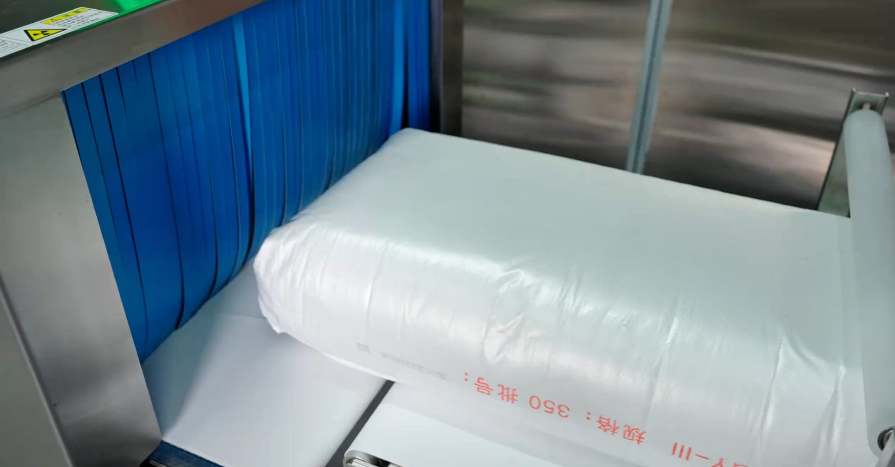
Raw silica powder
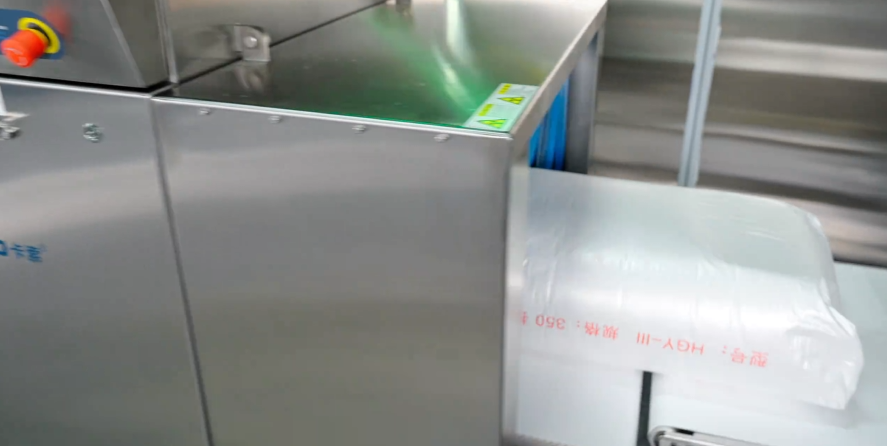
X-ray inspection in raw silica powder
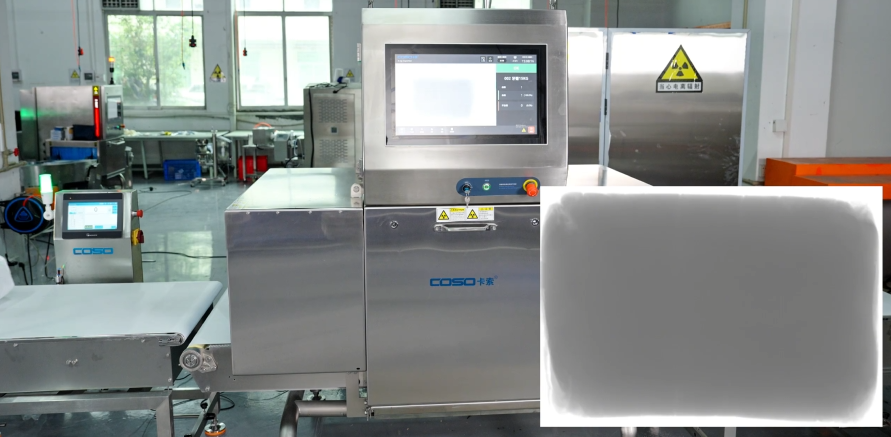
The image of raw silica powder(qualified)
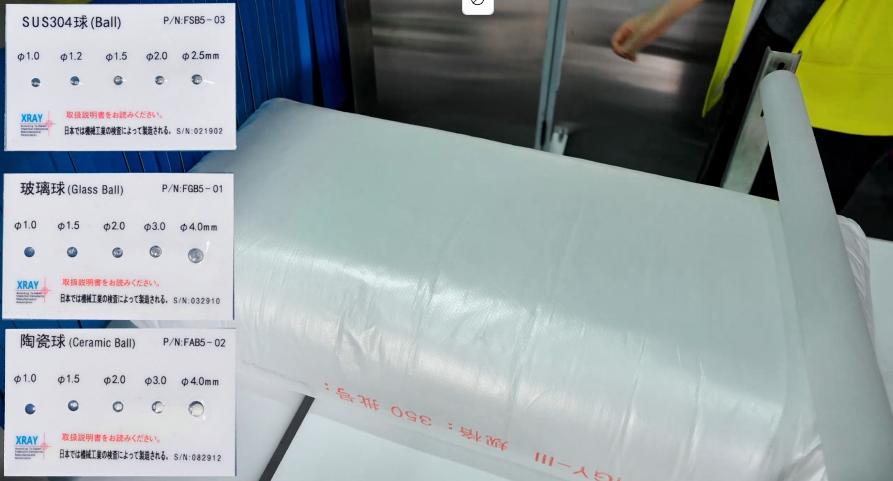
Metal contaminants detection
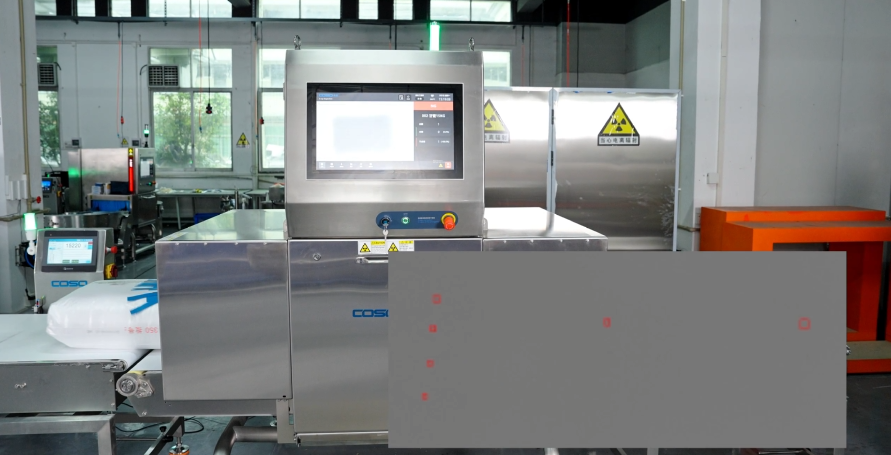
The image of metal contaminants
Checkweighing
Checkweighing is crucial for ensuring that chemical products, whether in liquid, solid, or powder form, meet the required weight or volume specifications. Our precision checkweighing systems guarantee accurate filling and dosing, preventing underweight or overweight packages. This ensures consistency in the product while optimizing production efficiency and minimizing waste.
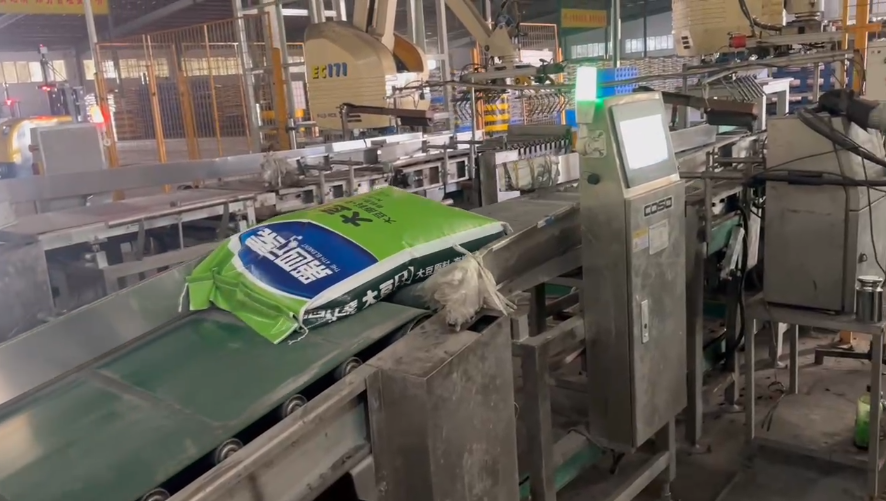
Weight inspection in fertilizer
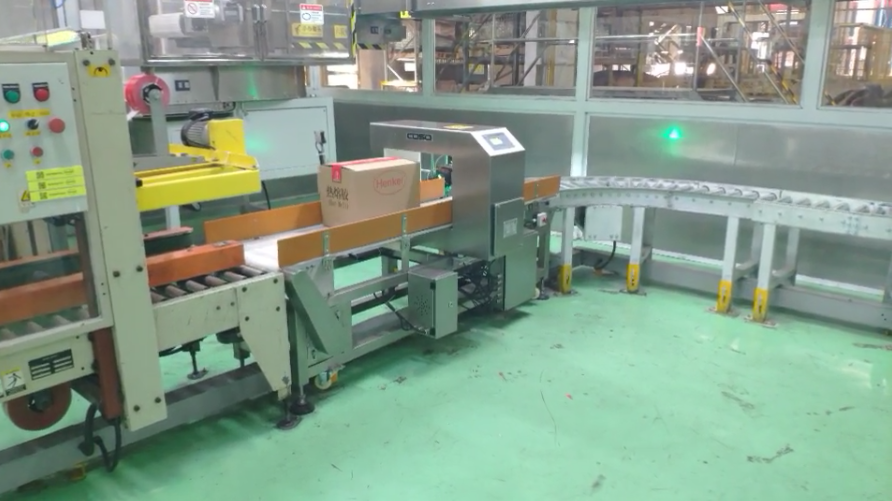
Weight inspection in hot melt adhesive
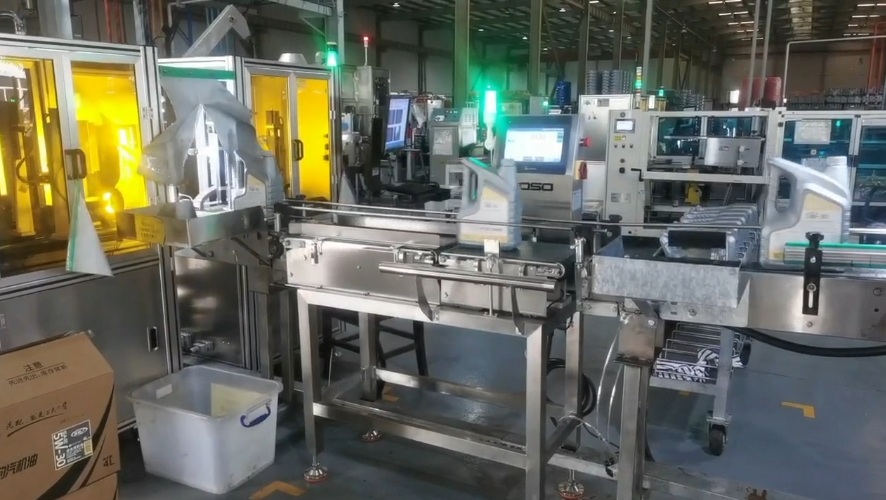
Weight inspection in lubricating oil
Success Across the Chemical Supply Chain
Our inspection systems have been deployed successfully in various chemical production lines—from raw chemical manufacturing to formulated products like paints, coatings, adhesives, oils and cleaning agents. We've tackled the unique challenges of chemical production, providing tailored solutions for contamination detection, packaging integrity, and product consistency. Whether detecting metal contaminants in liquid chemicals, ensuring the safety of solid chemical compounds, or maintaining accurate weight in bulk chemical packaging, our systems provide reliable and effective solutions. Explore our case studies to see how we've helped chemical manufacturers achieve safety, regulatory compliance, and enhanced operational efficiency.
The Benefits of Automated Chemical Inspection
Chemical Safety & Product Integrity
Automated inspection systems ensure the safety of chemical products by detecting contaminants such as metal, plastic, glass, ceramic or stones, and ensuring the consistency of the product's weight. Advanced technologies eliminate the risk of foreign object contamination and guarantee that every batch of chemicals meets the industry safety standards.
Regulatory Compliance & Brand Confidence
By providing logs and meeting the compliance standards of regulatory bodies, automated inspection systems help manufacturers maintain traceability and transparency throughout the production process. This compliance fosters consumer trust and strengthens brand loyalty.
Efficiency & Cost Savings
Precision checkweighing, coupled with early detection of contaminants, reduces waste, minimizes costly recalls, and optimizes production efficiency. By minimizing human error during production and packaging, these systems help chemical manufacturers save costs while maintaining industry standards of safety, quality, and compliance.