

Quality Assurance in the Packaging & Printing Industry: Ensuring Safety and Quality
In the packaging and printing industry, the quality and safety of both materials and finished products are critical. The production process often involves handling various substrates, inks, and coatings or the packaging that may be chemically complex, potentially hazardous, or prone to static charge issues. Additionally, the final packaging materials and printed products must meet strict safety standards to ensure both consumer safety and product efficacy. Foreign objects, such as metal, plastic, glass, stone and paper debris, besides, there may have weight deviations, these can compromise the product's performance, damage the manufacturer's reputation, and pose health risks. Our advanced inspection and weighing systems are specifically designed to address the unique challenges faced by manufacturers in the packaging and printing industry—from raw material inspection to final product packaging. By detecting metal contaminants, ensuring industry standards, and verifying product consistency, our systems help maintain safety, efficiency, and compliance with industry standards.
The Invisible Threat: Challenges in Packaging & Printing Contamination Control
Unpredictable Sources of Contamination
The risk of contamination in the packaging and printing industry can arise from several unpredictable sources. Materials such as printing inks, substrates, coatings, the packaging, worn parts are prone to contamination during handling, printing, and packaging. These contaminants—such as metal fragments, plastic particles, or worn parts from machines—can enter products at any stage, compromising their safety, performance, and stability.
Mechanical and Human Risks
Contamination can also stem from mechanical failures and human errors. Equipment malfunctions, such as broken parts in printing presses or packaging machines, can introduce foreign objects into the final product. Additionally, workers may inadvertently drop small fragments, packaging materials, or personal items, increasing the risk of contamination.
Detection Challenges in Raw Materials
Raw materials in the packaging and printing industry—such as paper, plastic, packaging and inks—present unique detection challenges. For example, substrates like paper can be fibrous, which makes detecting metal contaminants or foreign objects more difficult. Inks and coatings, especially those with high viscosity, may not be easy to inspect visually or with conventional methods. Specialized detection equipment and advanced algorithms are needed to ensure the accuracy of contamination detection, especially in materials prone to static charge or that have irregular textures.
Sanitary Risks & Microbial Control
Packaging materials, particularly those used in food, pharmaceuticals, or cosmetic products, require stringent sanitation protocols to prevent microbial contamination. Contaminants such as bacteria or mold can thrive in nutrient-rich, high-moisture environments, so regular cleaning procedures and high-pressure washing are essential to meet global hygiene standards. Adherence to standards like GMP, ISO, and FDA regulations ensures product integrity and safety.
Industry Standards & Regulatory Compliance
The packaging and printing industry is highly regulated to ensure that products meet safety, environmental, and quality standards. Regulations such as GMP, FDA, ISO govern the production processes and ensure that packaging materials and printed products meet safety guidelines. Our inspection systems are designed to meet these strict regulations, offering traceability and transparency through logs. This not only helps manufacturers stay compliant but also minimizes contamination risks and ensures high-quality product delivery.
Advanced Inspection Technologies for Packaging & Printing
Manual inspection is difficult to meet the stringent safety, quality, and regulatory requirements of the packaging and printing industry. To protect consumer health and preserve brand image, our metal detection, X-ray inspection, and weight inspection technologies provide a comprehensive solution for ensuring product safety, quality, and compliance. These technologies can be integrated seamlessly into production lines or deployed individually, depending on the type of packaging or printing products and the contamination risks involved.
Choosing the Optimal Equipment for Packing & Printing Needs
Metal Detection
In the packaging and printing industry, metal contamination is a significant concern. Our advanced metal detectors are capable of identifying ferrous, non-ferrous, and stainless steel contaminants—such as machine fragments or worn parts from others—introduced during raw material handling, processing, or printing and packaging. These systems ensure that harmful contaminants are removed during production, preserving product quality and preventing damage to processing equipment.
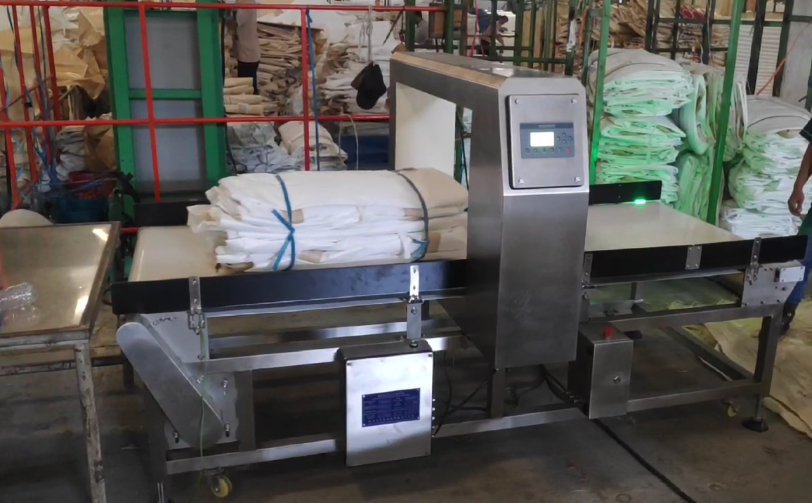
Metal contamination detection in bundle of woven bags
X-ray Inspection
X-ray inspection technology is essential for detecting non-metallic contaminants such as plastic, glass, ceramic, or stones—contaminants that metal detectors cannot identify. This technology is invaluable for inspecting packaged products, such as printed packaging materials, food packaging,, ensuring they are free of foreign objects or packaging defects like cracks, or broken seals. X-ray inspection also identifies packaging defects in non-transparent or multi-layer materials, ensuring that the final product meets safety standards.
Checkweighing
At the final stages of production, checkweighing systems are critical for ensuring that packaging materials meet the required weight specifications. Whether it's individual printed packaging items or bulk packaged products, our precision checkweighers ensure that every item or carton falls within the required weight range. This guarantees that packaging is accurate and compliant with regulations, preventing issues like underweight or overweight products, reducing waste, and maintaining consistency in the packaging process.
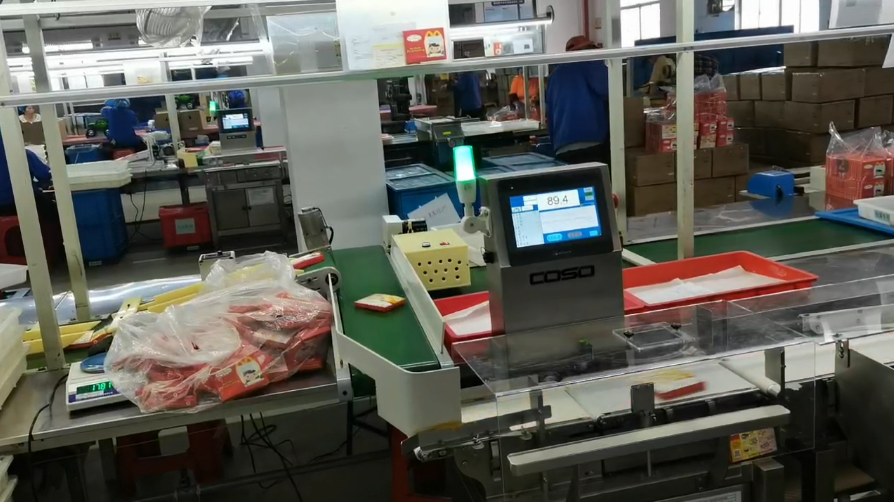
Weight inspection in printing products
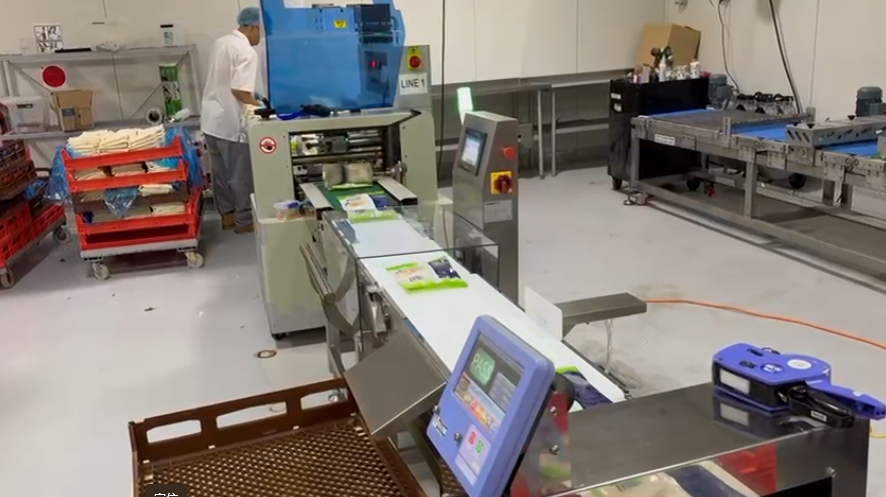
Weight inspection in food bag
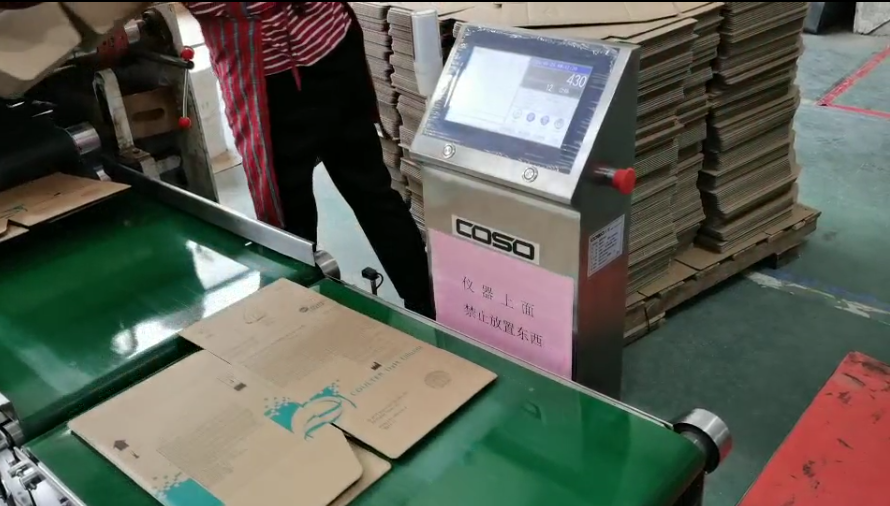
Weight inspection in carton
Cases Across the Packaging & Printing Supply Chain
Our inspection systems are deployed across various stages of packaging & printing production—from raw material inspection for paper, plastics to the final packaging of products like printed cartons, labels, and flexible packaging. We have extensive experience in addressing the unique challenges of this industry, including static-charged substrates and packaging integrity. Whether it's detecting metal contamination in raw materials, ensuring the quality of printed packaging, or verifying the weight of bulk packages, our systems provide reliable and consistent results. Explore our case studies to see how we've helped manufacturers meet industry standards, reduce contamination risks, and improve operational efficiency.
The Benefits of Automated Packaging & Printing Inspection
Product Safety & Consumer Health
Automated inspection systems ensure that all raw materials and finished products in the packaging and printing industry are free from contamination. Whether detecting metal fragments, plastic particles, or verifying weight, our systems eliminate the risk of foreign object contamination, Protecting your equipment and ensuring that products are safe for consumers. This not only enhances consumer trust in your brand but also guarantees the quality of every product that reaches the market.
Regulatory Compliance & Traceability
By generating logs for standards like GMP, FDA, ISO, automated inspection systems help manufacturers maintain consistent compliance. This ensures transparency, improves traceability, and fosters long-term brand loyalty by showcasing a commitment to quality and safety.
Efficiency & Cost Savings
Our precision checkweighing systems, combined with early contaminant detection, help reduce product waste, minimize the potential for costly recalls, and optimize production efficiency. By ensuring accurate weights and detecting contaminants early in the production process, these systems help manufacturers save costs, reduce errors, and maintain high-quality products throughout their supply chains.